
Blog
"Tracks Finished Hours Before the Set": How Unity Records Built a Label on Gut Instinct
3 Feb '2026
Dive into Unity Records' journey from illegal raves to influential label, their artist-driven expansion in 2026, and why they believe captivating techno music still comes from gut instinct, not algorithms.
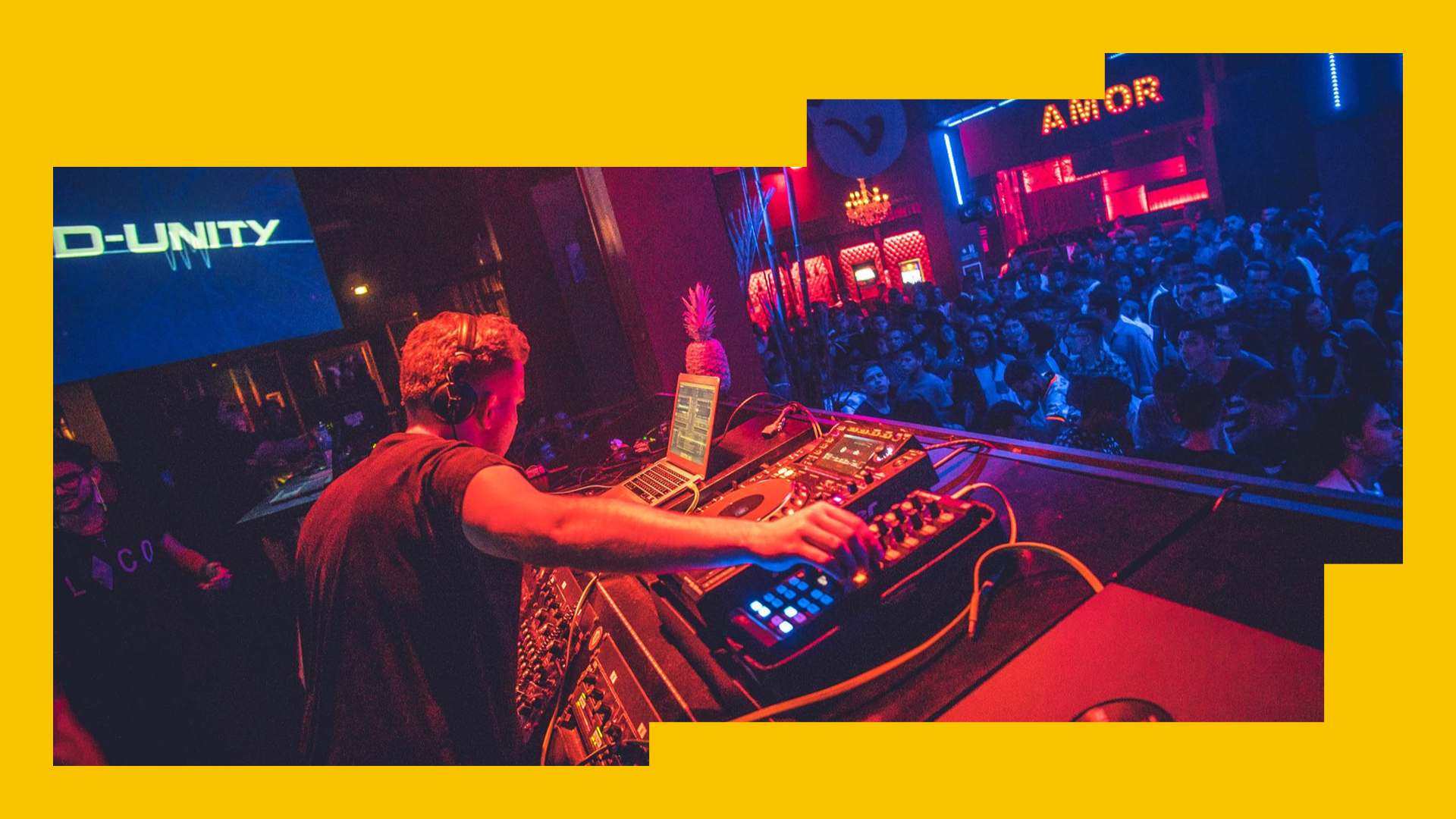
Unity Records is a techno label known for organic, tribal grooves and a dancefloor-first philosophy rooted in underground club culture. Built from illegal raves, makeshift studios, and tracks finished hours before hitting the floor, the label has become a driving force in raw and peak-time techno. In this label focus, we spoke with label head D-Unity to discuss Unity Records' grassroots origins, their expansion into new genres in 2026, and what it really takes to build a lasting career in techno.
Tell us about the genesis of Unity Records. What was the original vision, and how has it evolved into the extension of Unity Samples?
Unity Records started very organically — no big plan, no industry backing. It was built from real-life experience: playing underground parties, illegal raves, club nights, and long nights in studios where tracks were often finished just hours before being played out.
The original vision was simple: release a tribal and more organic side of techno made for the dancefloor, not trends. A lot of the early work came together in unconventional ways — tracks started in makeshift home studios, finished backstage at clubs, or shaped directly by what was working (or failing) on the floor that same weekend.
As the label grew, that hands-on, floor-tested mindset became the foundation of Unity’s identity. Extending that philosophy into Unity Samples felt natural. The idea was to give producers access to the same kind of tools and sounds we were using ourselves — not polished-for-show samples, but real, practical material designed to work in clubs with a direction towards a more tribal groovy and organic sound.
Unity Samples is essentially Unity Records translated into production form: built from experience, tested in real environments, and focused on usability and energy above everything else.

You’re expanding the sample pack series across more genres in 2026. Beyond the raw and peak-time techno focus that Unity Samples started with, what new territories are you exploring, and what inspired that decision?
The move into new genres came very naturally. Over the years, Unity Records has never existed in isolation — the artists on the label play and produce across a wide spectrum: from hardgroove and techno to house, tech house, and deeper, more hypnotic sounds.
As the scene has evolved, so has the dancefloor. DJs and producers today don’t think in strict genre boxes the way they used to. A lot of modern sets blend groove, rhythm, and texture across styles, and we wanted Unity Samples to reflect that reality.
Expanding into new genres isn’t about abandoning techno — it’s about embracing the broader musical language that surrounds it. By opening the series to different styles, we’re able to showcase the full range of our artists while giving producers tools that work across multiple tempos, moods, and contexts.
It also allows each artist to express themselves more honestly, rather than forcing everything into a single category.
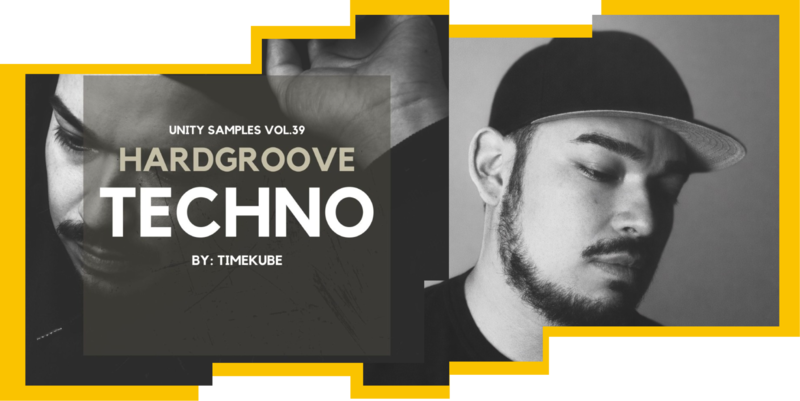
The new artist-driven approach for 2026 means each producer brings their own sonic signature to their sample pack. With TimeKube’s Hardgroove Techno pack launching January 29th as Vol.39, how do you balance maintaining Unity Records’ core identity while letting featured artists really showcase what makes them unique?
We choose our artists carefully. Every artist involved in Unity Samples already has releases on Unity Records, so we know exactly who can deliver the strongest, most authentic sample packs.
These packs come directly from Unity’s core artists, each showcasing their own sound while naturally aligning with the label’s identity. That approach keeps the Unity sound consistent, but still allows each pack to bring something fresh and distinctive—just like our record releases.
For producers using these sample packs, whether they’re just starting out or already established in the scene, what’s the real advantage of having curated packs from specific artists versus generic sample collections? What can someone expect from packs like Vol.39?
Just like with our EP releases, we’re very specific about the sound and quality we want from every Unity Sample pack. The key is staying true to your own identity—whether you’re running a label or producing music yourself.
With Vol.39 (TimeKube’s Hardgroove Techno Pack), you’ll hear a much more raw and driving energy compared to some of our previous releases. TimeKube really delivered on this one. With his upcoming releases on top techno labels like Unity Records, Sway, and others, we knew this pack would be something special.
It’s a powerful addition for hardgroove lovers and a strong toolset for the wider techno production community. Expect more powerful and distinctive Tech-Packs coming in 2026!
Have you integrated any AI tools into your own production workflow? What’s your stance on where AI fits in techno production, and where do you think the human element is still irreplaceable?
AI is an interesting tool, and I think it definitely has a place in modern production — especially when it comes to workflow efficiency, organization, and technical assistance. Tools that help with sound tagging, idea generation, or speeding up repetitive tasks can be genuinely useful.
That said, when it comes to techno or other underground genres, the human element is still irreplaceable. Groove, tension, timing, and energy come from lived experience — from nights on dancefloors, from reading crowds, from understanding when something feels right rather than just looks right on a screen.
AI can assist, but it can’t replace instinct, taste, or emotional connection. The best techno still comes from people translating their experiences into sound. For Unity Records, AI works best as a support tool — never as the creative driver.

For newer producers looking to build a long-term career in techno, what’s one mindset or approach you wish more people would adopt early on?
For newer producers looking to build a long-term career in techno, what’s one mindset or approach you wish more people would adopt early on?
One of the most important mindsets I wish more new producers adopted early on is understanding that rejection is not failure — it’s normal. Everyone goes through it. Tracks get ignored, demos get passed on, and releases don’t always land the way you hope. That’s part of the process, not a sign you should stop.
The key is to keep pushing while staying focused on developing your own sound. That doesn’t happen by jumping between genres every week. It comes from committing to a specific style within a genre and really exploring it — using similar types of samples, grooves, and textures until your music starts to feel recognizable.
Consistency builds identity. When you stick to a sound long enough, you develop instincts and confidence, and people start to associate your music with a certain feeling or energy. Combine that with patience and resilience, and you give yourself a real chance at building something long-term.