
Blog
THICK Sounds' Head Honcho Salaryman on the Simple Way he Keeps Things Fresh
3 Mar '2026
We talk to Olivier Blondeau about his advice for up-and-coming artists, his views on AI, and how the industry and technology around making music has changed in his 20-year career
Scroll through Loopcloud or walk through the virtual halls of crates on Loopmasters.com, and you'd be forgiven for not noticing it immediately: not every sample pack is made directly by us – we also work with some of the world's best sample labels to distribute their top-notch samples, giving them the Loopmasters' seal of approval along the way. We've had a big history of working with top sample labels, and a case in point is THICK Sounds, the bass music powerhouse label behind many packs beloved by producers everywhere – and feared by subwoofers the world over!
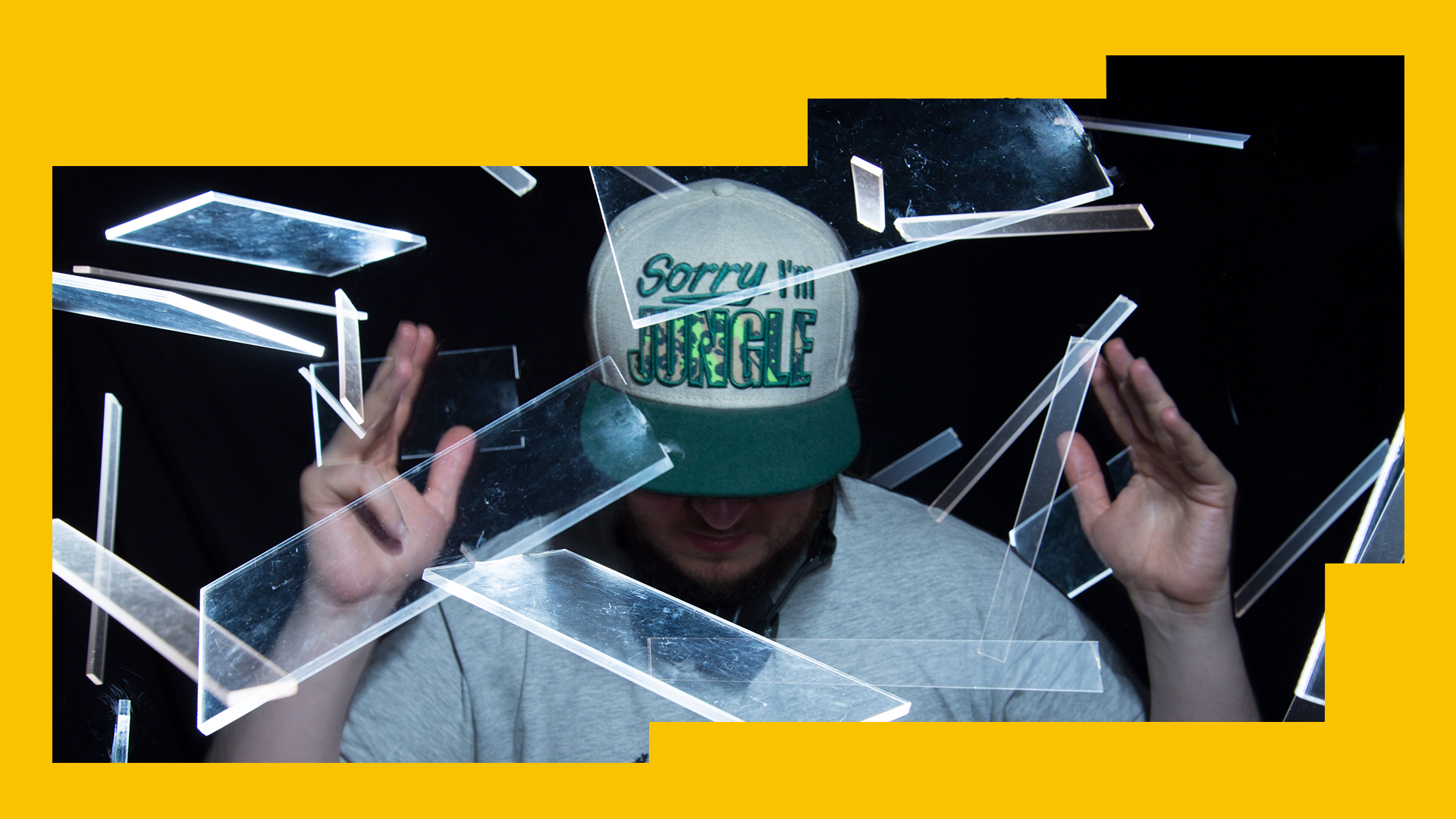
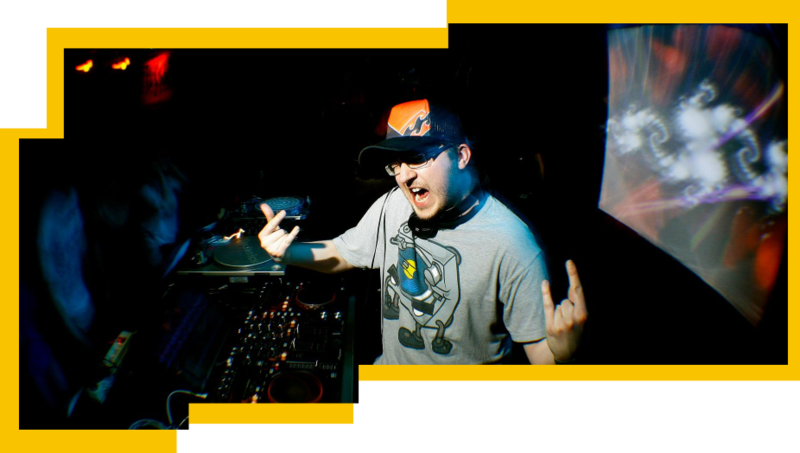
Olivier Blondeau, also known as Salaryman, is the label owner at THICK Sounds. A veteran french Drum 'n' Bass producer and DJ, he's been professionally melting speaker cones and bringing on mass cases of bass face for 20 years. Olivier's early milestones include significant breakthrough releases on RAM Records, Technique Recordings and ProgRam. as well as DJ support from the likes of Andy C, Drumsound & Bassline Smith, DJ Hype, Excision, Black Sun Empire, Roni Size, High Contrast, London Elektricity and many others.
Here at Loopmasters, we know Olivier best as the tireless head of THICK Sounds, whose packs in our Drum 'n' Bass category – and the subgenres like Liquid, Jump-Up and Neuro – have given producers everywhere the access to the sounds they need.
Was there a defining moment that made you realise you wanted to pursue music professionally?
I think it was during my first big Drum 'n' Bass party back in 2006. I had alreadt been DJing for a few years then. I don't know why, but during this event I realised that trying to live off my own music would be awesome! After that I started producing, and two decades later I'm still loving it!
What challenges did you face early on, and how did you overcome them?
My first tracks were definitely a mess! I think the main problem is that I couldn't stay on one direction and always looked for making everything more complex.
In the end, the original idea of the tune got completely overwhelmed by other irrelevant elements and the whole thing was lame. Once I became aware of this, I promised myself to stick to one motto: keep it simple!
How do you approach creating sounds for a sample pack? How do you start with a blank slate?
It depends if I'm familiar with the genre of the pack or not. If it's a bass music genre, then no I know quite precisely what the people getting such a pack would expect. For other genres, I listening to loads of tracks then trying to do something this way.
I love working on something I'm not used to, it's always refreshing! As I'm quite curious, I've chatted with many of the producers who work for THICK Sounds about the process of creating a pack. You know what? Nobody works the same way! I really like that everyone has their own approach to music, it really means a lot to me, and I'm proud to highlight this diversity through the label.
How has the music industry changed since you started, in terms of opportunity and challenges?
I think two things have mainly changed: the gear for making quality music is quite cheaper – there's no need for an expensive computer to run music software nowadays – and the world is more and more connected. These two conditions mean that more people around the planet can create and broadcast their music. But as a result, it's now more complicated to break through.
What’s one piece of industry advice you’d give up-and-coming artists?
Focus on expressing yourself rather than sticking to a genre's standards. Don't be obsessed about technique, just create!
How do you stay inspired and avoid creative burnout?
I've got an simple tip: I don't produce every day! It's always worthy to take a little time to change your mind so you'll get a better hindsight on your work. At the end of the day you may even buy some time!
How do you feel about the role of technology, such as AI and new tools, in music production today?
Any new tool can always be a good way to enhance the possibilities of creation. But as with any tool, it just depends on how it's used. If your think an AI can lead you to new ways of expression, then that's great! But if you use it as a slave which does the work in your place, then I'm not sure you can be called a musician any more!