
Blog
The House Of Loop Label Boss Tells us What Talents Go Into Making Great Samples
5 May '2026
Discover how his House centric packs come together, and what it’s like giving creative control over to other artists
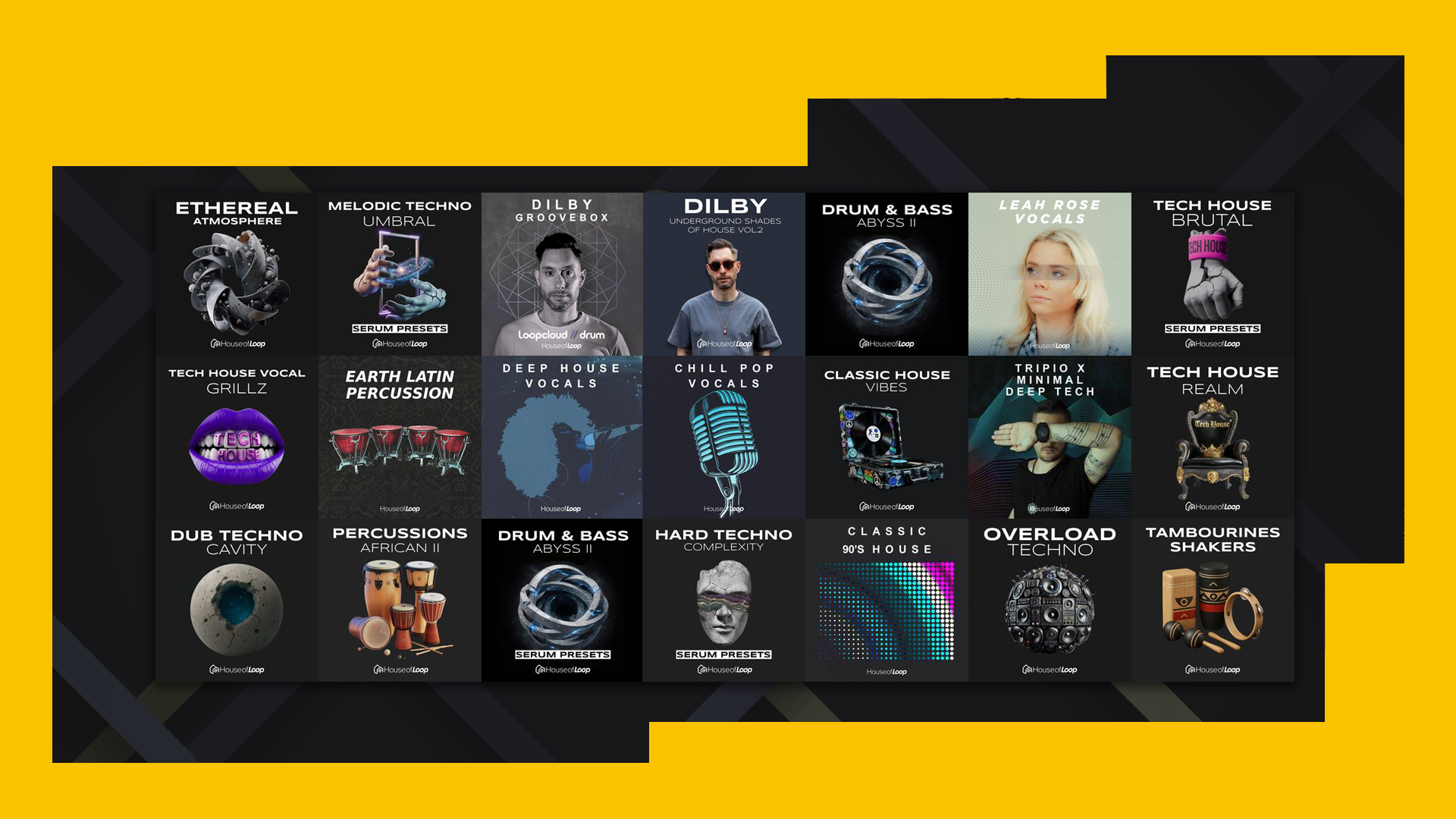
Dive into a behind the scenes perspective on the global electronic music industry. Beyond the studio and outside some of Europe’s most respected dancefloors this interview shows a unique viewpoint of the driving force behind House Of Loop, exploring a career shaped by real-world club experience and a deep understanding of what moves a crowd. We’ll jump into the label boss and sound designer's ethos; creating sounds that aren't just good in theory, they deliver where it matters the most: on the dancefloor.
"I started my journey as a DJ at the age of 14,” says the multidisciplined artist. “And by 18 I was already playing as a resident in an underground club on the Venetian Riviera. Over the years, I had the chance to share the booth with many established and international artists from all over the world.”
"From the age of 22, I began touring across Europe and parts of the United States as a guest DJ. I also lived in Berlin, where I held residencies and played regularly at some of the city’s most iconic venues, including Club der Visionaere and KitKatClub, along with many other clubs in the scene."
"I’ve also been a resident for major events such as Altavoz in Italy and Magna Carta in London and Ibiza. Alongside my artistic career, I also worked as a tour manager for Meduza for a period, gaining further insight into the international electronic music industry from a different perspective."
"In 2016, I stepped away from DJing, but I continued focusing on music production, which has always been a core part of my journey."
"Over the years, I’ve released music on labels such as Saved (Nick Fanciulli), Cecille (Nick Curly), Area Remote (2000andOne), Defected, Get Physical Music, and many others. My transition into sample pack creation came naturally from this production background."
Is there an overall principle that defines a House Of Loop pack?
"One of the core principles behind every House Of Loop pack is real-world usability, especially in a club context. My background as both a DJ and a touring professional has given me a deep understanding of what actually works on a dancefloor, not just in theory but in practice."
"Having played in clubs and festivals around the world, and also working behind the scenes as a tour manager, I’ve experienced first hand how tracks translate on large sound systems and in different environments. That perspective is something I bring directly into my studio workflow when creating sounds."
“People can always expect club-driven sounds, a very practical approach to production, and tools that are designed to inspire ideas quickly while actually working in a real DJ and live context.”
"What sets my packs apart is that they are built from this real-world experience. I don’t focus on abstract or overly experimental sounds that don’t translate – everything is designed to be effective, punchy and ready to work in a mix."
"People can always expect club-driven sounds, a very practical approach to production, and tools that are designed to inspire ideas quickly while actually working in a real DJ and live context."
Which DAW, plugins or hardware are essential in your workflow, and why?
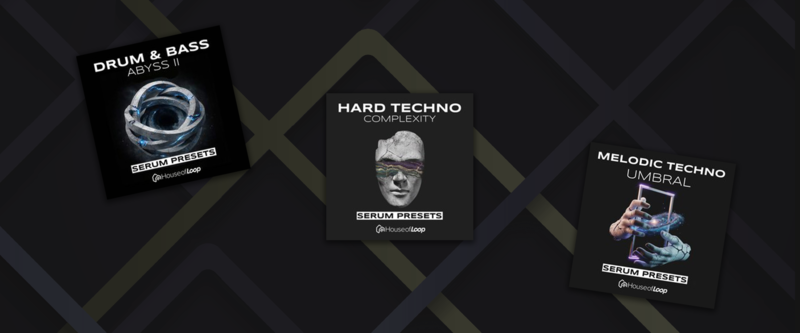
"Ableton Live has always been at the centre of my workflow. It’s fast, flexible, and perfectly suited to the way I build ideas, arrange tracks, and design sounds. The speed it allows is essential for me, especially when I’m working on multiple ideas or creating large amounts of content for sample packs."
"When it comes to plugins, [Xfer Records’] Serum is definitely my main tool. I use it for the majority of my sound design because of its versatility and precision. Over the years, I’ve worked with many different synths and instruments, but I’ve come to realise that knowing one tool deeply is far more powerful than using many at a superficial level. With Serum, I can create almost everything I need, from basses and leads to textures and more experimental sounds."
"That said, I don’t limit myself completely. When I’m working on specific genres, especially more classic or old-school house sounds, I sometimes use emulations of vintage instruments to capture a more authentic character. In those cases, it’s not just about the sound itself, but about respecting the original aesthetic and sonic identity of that style."
"Overall, my workflow is based on efficiency, deep knowledge of a few key tools, and the ability to translate ideas quickly into finished, usable sounds. This approach is exactly what I bring into my sample packs as well."
How do you approach sound design – do you start with a concept and a goal in mind? Or do you just play and see what comes out?
"My approach to sound design usually starts with a clear direction rather than pure experimentation. As I mentioned before, my goal is to create packs that are always aligned with current trends and the evolution of electronic music."
"I pay close attention to the sounds that are working in clubs and in modern productions at any given moment, and I use that as a starting point. This allows me to design sounds that feel on point and relevant, giving producers the tools they need to stay up to date with the current sonic landscape."
"That said, there is always a balance. While I start with a specific goal in mind, there’s still room for creativity and exploration during the process. Some of the best sounds come from unexpected variations while refining an idea."
"In the end, it’s a combination of direction and experimentation – but always with a strong focus on delivering sounds that are modern, usable, and ready to fit into today’s productions."
The vocal is very important in classic House. What makes a good vocal pack, in your opinion?
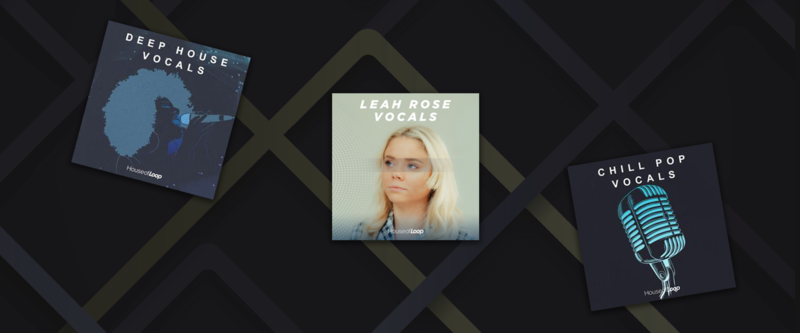
"In my opinion, a good vocal pack is all about balance between emotion, usability, and clarity."
"In classic House music, vocals are not just an element on top of the track – they are often the main hook and the emotional core of the production. For that reason, quality and performance are essential. A vocal needs to feel authentic, well-performed, and expressive enough to immediately inspire a track idea."
"At the same time, from a producer’s perspective, usability is just as important. A good vocal pack should be well organized, with clean recordings, properly processed stems, and variations such as hooks, ad-libs, and chops that can easily fit into different arrangements."
"I also think versatility plays a big role. Producers should be able to take a vocal and adapt it to different styles or tempos without losing its identity. That’s why having both dry and processed versions, as well as different intensities or phrasing options, is very important."
"Ultimately, a strong vocal pack should save time, spark ideas immediately, and feel like a complete creative tool rather than just a collection of phrases."
You've released a few packs with artists – Dilby, Tripio X… – How involved do you get with curating these? Or do you leave the artist to do whatever they want?
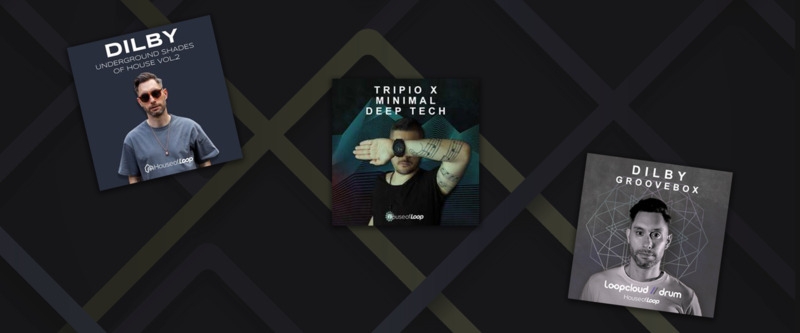
"When I work on packs with artists like Dilby or Tripio X, I usually take the role of providing the overall direction and technical guidelines, rather than controlling the creative process in detail."
"I make sure there is a clear framework in terms of quality standards, sound structure, and usability – things like technical consistency, mix balance, and how the content will be used by producers. This ensures that every pack meets a professional level and fits into a real production workflow."
"However, I always leave full creative freedom to the artists when it comes to their sound and artistic identity. I strongly believe that each producer and DJ should bring their own vision into the project, because that’s what gives the pack its uniqueness and authenticity."
"So in short, I guide the technical and functional side of the project, but the artistic direction always belongs to the artist. That balance is what makes the collaboration work."
How has the music industry changed since you started, in terms of opportunity and challenges?
"The music industry has changed dramatically since I started, especially in terms of accessibility and competition."
"On one hand, there are far more opportunities today. It’s much easier to release music independently, reach a global audience, and build a presence without relying entirely on traditional labels. The tools for production and distribution are more available than ever, which lowers the barrier to entry."
“Another big change is the speed of trends. Sounds evolve much faster now, and artists need to stay aware of what is happening in the scene without losing their own identity."
"On the other hand, this also means the level of competition is extremely high. There is an overwhelming amount of music being released every day, which makes it harder to stand out. In many ways, the challenge has shifted from “how do I release music” to “how do I create something that actually cuts through the noise. Another big change is the speed of trends. Sounds evolve much faster now, and artists need to stay aware of what is happening in the scene without losing their own identity."
What would you recommend to artists starting out today?
"My main advice would be to focus on consistency and identity rather than chasing quick results. Learn your tools deeply, understand your sound, and spend time developing a clear artistic direction. At the same time, make sure your music is functional and relevant to the current scene if you want it to reach DJs and labels."
"In the end, the artists who last are the ones who manage to combine originality with real-world usability."
Do you think AI is a threat to music, or a creative tool? Or both?
"I see AI more as a creative tool than a threat, but like any technology it depends on how it is used."
"On the positive side, it can definitely help speed up certain parts of the creative process, generate ideas, or support tasks that are more technical or time-consuming. In that sense, it can be useful for producers as an assistant that expands possibilities rather than replaces creativity."
"At the same time, music is still fundamentally about taste, emotion, and decision-making. Those elements come from experience and personal vision, and they can’t really be automated in a meaningful way. So I don’t see AI replacing that core human part of music creation."
"The real value will always be in how an artist uses tools, not the tools themselves. For me, it’s just another instrument – and like any instrument, it can be used well or badly depending on who is behind it."
Hear more from House Of Loop