

Blog
Are Browser-Based DAWs Viable for Music Production?
18 May '2026
With image editing and design tools like Figma and Canva going browser-based, would the same thing ever happen to DAWs?
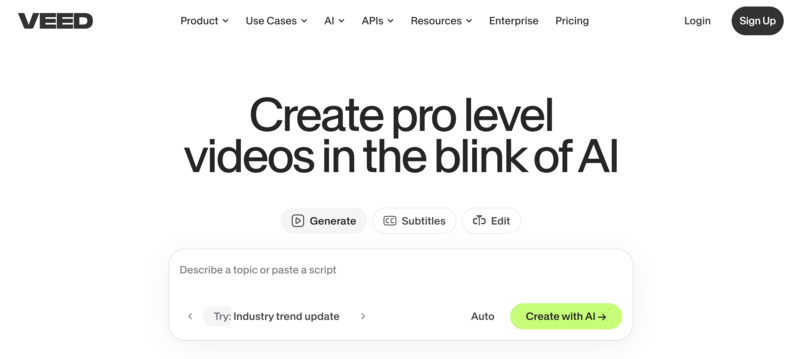
As of late, there’s been a huge uptick of browser-based software, most significantly in the form of image and video editing apps, like Canva, Figma, CapCut, and VEED. The truth is, these names are only a scarce few droplets among an ever-growing ocean. It seems as though the browser-based vacuum is pulling in all software types that used to be standalone desktop apps. Applications by Serif like Affinity Designer, Affinity Photo and Affinity Publisher used to be ideal pay-once competitors to Adobe; but they're now only availalbe in the free Affinity by Canva app.
So, as musicians, that begs the question: are we headed for the same fate? Whilst most major DAWs currently remain as desktop-installed applications, there has been an unmissable wave of audio-editing apps surfacing online. As things develop, we’re seeing more and more full-blown DAWs pop up. In fact, as of December 2025, even FL Studio Web has been released in a beta-testing version!
In this article, we’re going to be taking a look at some of the current browser-based DAWs, as well as speculate on where things may go from here. We’ll also generally discuss the pros and cons of traditional DAW software versus the new browser-based alternatives.
What are the current online DAWs?
So far, there are a few cloud-based DAWs that are a cut above the rest, as well as some more basic options in general. We’ll be taking a look at those subsequently, followed by a brief overview of the current FL Studio Web beta, and where it’s heading.
The top dogs of cloud-based DAWs
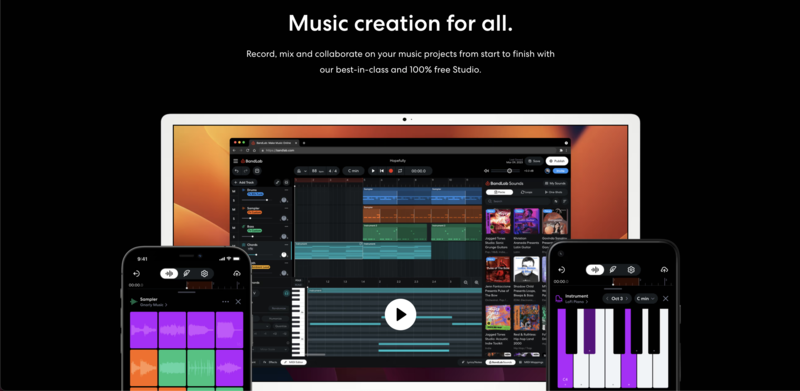
When we’re talking about existing online DAWs, BandLab probably takes the cake. BandLab has rapidly earned a large rep online for its effortless web integration, comprehensive DAW functionality, ease-of-use, collaborative aspects (something largely beneficial from cloud-based DAWs in general), its vast sound pool, and gargantuan amount of complementary services, like AI mastering.
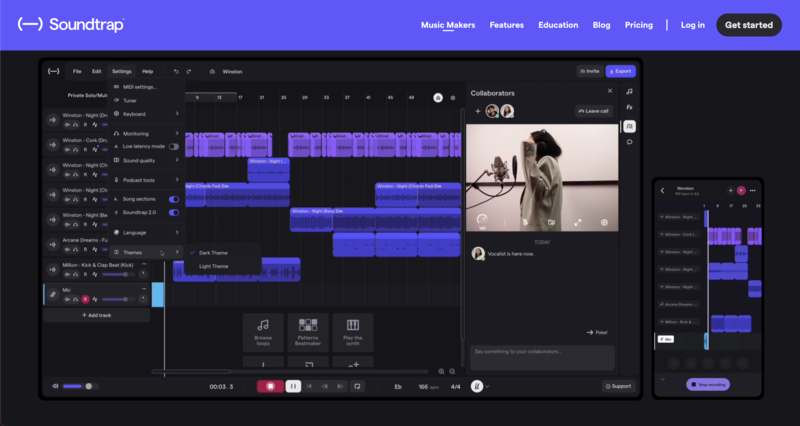
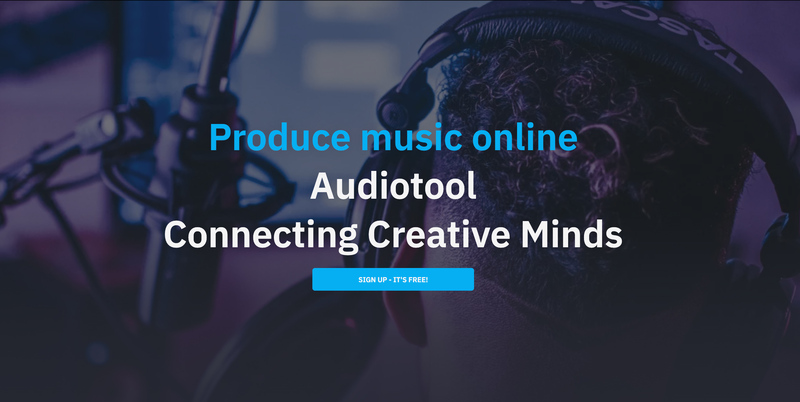
Aside from BandLab, there are a few other worthwhile mentions. These include: Soundtrap (by Spotify), Audiotool and Amped Studio. All of which have their pros and cons, and excel in collaboration and accessibility, however, not quite as fully sophisticated as BandLab. It’s worth mentioning that all cloud DAWs mentioned here have free introductory access, with optional premium subscriptions.
Useful but more lightweight options
Next up we have some additional online DAWs to hit the world wide web. These are more lightweight, more intended for those working with audio/music who may not be fully adept with music production and audio engineering.
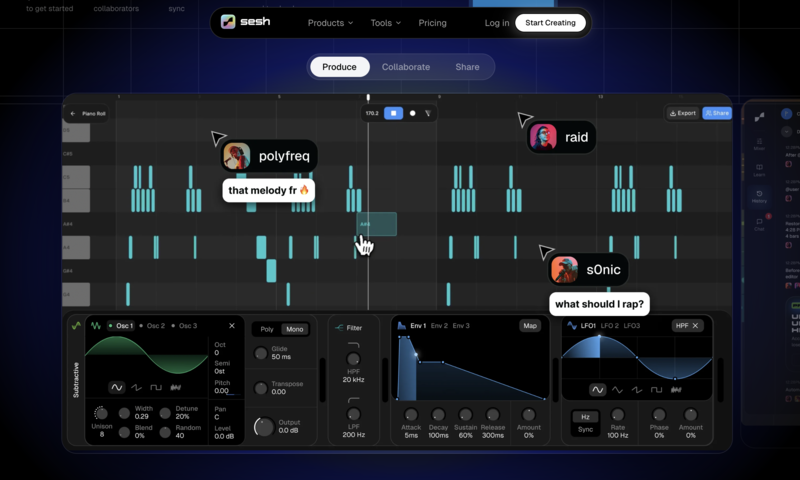
These include: Soundation, Audiosauna, and Sesh.fm. All of these are still technically DAWs, beyond mere audio editing solutions, however, they may lack the full spectrum of versatility that well-versed producers and engineers are after. They still excel in collaboration as a core component, and offer free and premium tiers too, making them accessible to all.
A promising prospect in web-based DAW software
OpenDAW has to deserve a mention as a highly promising potentiality coming soon. OpenDAW boasts itself as a ‘next-generation’ cloud-based DAW, with a huge focus on education at its core. On paper, it appears that it could rise to prominence once fully released, as it offers a chance to learn music production to a tee for newbies whilst getting hands-on.
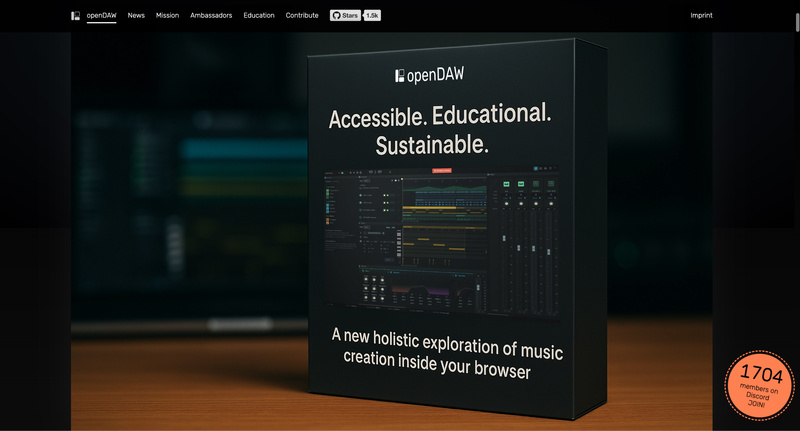
Combine that with the browser-based access, and seemingly slick design, and you’ve got a desirable cloud DAW coming your way (hopefully!). It’s built entirely in TypeScript with Web Audio API and it runs with no required login.
What about FL Studio Web?
FL Studio Web is only in its beta release currently, and only accessible to current licensees of the pre-existing standalone DAW editions. However, this will likely change in the near future, once it's released in a final form.
With the reputation FL Studio already has in the music industry, and being a highly sought-after DAW by many musical autodidacts, it’s likely that FL Studio Web will rise to dominance in the online DAW sphere until any other major DAWs establish contenders. Essentially, it includes all the main facets from its traditional counterpart—the Channel Rack, the Playlist view, the Browser. But, it’s still slightly watered-down compared to its predecessor.
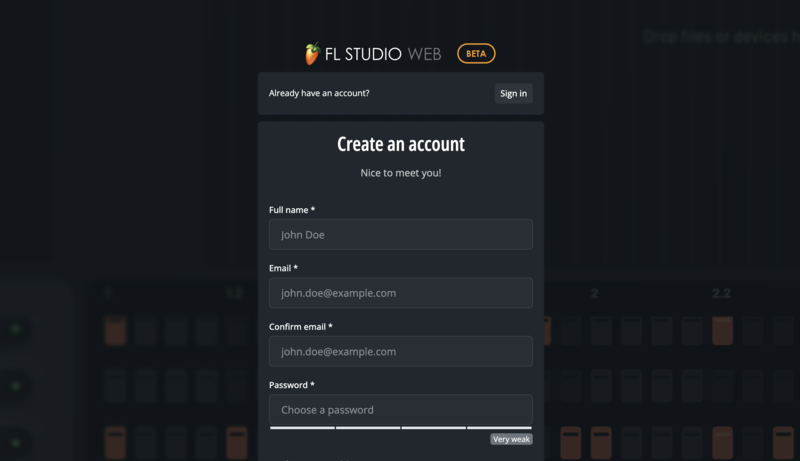
As web-based applications advance more, and audio tools in particular become more advanced, Image Line will probably roll out abundant updates to eventually catch FL Studio Web up to speed with its non-web-based cousin.
Why the shift to web-based applications?
It’s an excellent question. The shift to web-based applications isn't random; it comes from a mix of practical, economic, and technological advantages that benefit both users and developers. It solves a huge multitude of issues present in traditional software, even if it doesn't introduce some new challenges in the way. These challenges will likely be overcome in time, making the pros outweigh the cons.
Access across all devices and browsers
Firstly, once a browser-based app, like Canva, Affinity, CapCut, or even the upcoming FL Studio Web are stable, they become accessible across any browser, on any device. That’s a huge advantage that traditional softwares don’t have
Instant global collaboration
The second advantage is real-time collaboration across the globe. The main selling point to most cloud-based DAWs, as opposed to other web-based softwares, is their opportunity for collaboration. Music artists are (mostly) collaborative by nature, and this opens the door giantly.
Lower Barrier to Entry
Accessibility is the next mention, and this goes a step beyond all-device, all-browser accessibility. Now, we’re talking about the cost entry point and learning curve. With such an abundance of cloud DAWs on the market, there are services catering to all skill levels, with a greater focus on education and ease-of-use. And, due to the cheaper development and running costs, the cost to consumers drops significantly too. It’s a win-win here.
Anti-piracy and auto-updates
The final things we’re going to mention here are: anti piracy (for developers)—which is a huge issue in the music industry—and instant, automatic and continuous updates. Having to manually update all of your plugins, scan for them across DAWs and redirect file/folder directories is a huge time waster, and in the future, this will likely get stomped out by cloud-based services.

Credit: PixaBay
Are cloud-based DAWs inevitable?
Whether all major DAW developers will follow suit is not something we can say for certain. With that being said, if tech trends across the decades tell us anything, it’s that those who don’t keep up with the ongoing revolutions and advancements will likely get left behind and replaced by the more convenient, cheaper and (eventually) popular alternatives.
So, it is highly likely that what we’ve seen with FL Studio Web is just the first of many. Soon, many of the heavyweights will probably jump into the cloud-based royal rumble that’s currently underway. Yet, we can take this moment in technological history to celebrate joyously. After all, with each revolution comes new delights to cherish, like BandLab, which will likely go on to compete for years moving forward.
FAQs
What is the best online DAW?
The best online DAW currently is BandLab, followed by others like Soundtrap, Audiotool, Amped Studio and Sesh.fm. However, with the release of FL Studio Web in December, 2025, it’s likely that there’s going to be a new contender on the block soon enough, with other major DAWs following suit.
What’s the best free online DAW?
Most of the cloud-based DAWs come with free entry for beginners, offering paid subscription tiers as optional upgrades. So, we’d have to say that BandLab probably takes the cake again, although you’d have to get experimental with the free versus paid features of every single competitor for a true breakdown.
Why use an online DAW?
Online DAWs come with many benefits for both developers and users, such as lower barrier to entry, auto-updates, higher collaboration opportunity, anti-piracy and accessibility across all devices and browsers.