

Blog
How Huxley Uses Samples To Add Grit, Soul, And Character To House Music
14 May '2026
Huxley explains how he chooses, chops, and processes samples while making his Pinball Skizzard EP for Rekids. The interview covers Loopcloud, sample digging, loop editing, house production, and building original tracks from sourced material.

Huxley has spent over two decades shaping his house-fueled sound into a catalog that connects club records, label work, community building, and a steady presence across UK and European dance culture. Alongside releases on Aus, 20/20 Vision, Poker Flat, and Rekids, he runs Dumb Safari and co-founded the online R Trybe community with Ramin Rezaie, building a career that has stayed closely tied to the practical realities of making, releasing, and playing records. That background gives his production process a unique angle as everything in a "Huxley track" has to earn its place, especially when samples are involved.
That history comes through most clearly in the way Huxley describes his sample-selection workflow.
He treats digging as part of the writing process, using source material for tone, texture, grit, and feel, then cutting, processing, and rearranging it until it works inside the track. For him, a sample has to serve the full record, regardless of how good it sounds on its own. That mindset is especially clear on “Pinball,” where several sax loops were chopped and rebuilt into the riff heard in the final track.
In the interview below, Huxley breaks down how Loopcloud helps him navigate a large personal archive, find newer material faster, and keep his sample workflow organized after nearly 30 years of collecting sounds. He also gets into what producers often get wrong with loops, why using obvious samples can make records feel too familiar, and how cutting, reprocessing, overdriving, reverbing, and re-sequencing loops can turn a ready-made part into something personal. For producers working in house music, it is a useful look at how sample-based production can stay fast, organized, and rooted in taste.
Interview With Huxley
Your new EP includes vocal snippets, soulful fragments, and old-school touches across multiple tracks. When you start with a sample, what tells you it has real potential in a track?
It’s a feeling really.
I like to make sure something fits 100% or I get rid of it. I try to be like that at every stage of the production process, especially with samples. It doesn’t matter how cool something is on its own. If it doesn’t work in the context of the feeling I’m trying to create, I do a hard delete on it out of the project. If it’s that good though, I always have it in my mind to come back to it.
When you are digging for samples like the ones on your new EP on Rekids, are you usually looking for rhythm, tone, texture, or a feeling you cannot quite build from scratch?
I think that’s a good way to describe it.
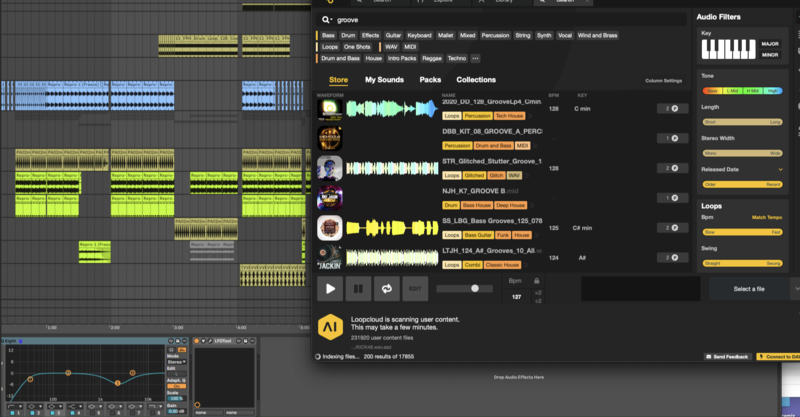
Samples or sampling for me add something that, a lot of the time, is hard to recreate in a sterile studio. I think some of this is psychosomatic, as obviously a lot of samples have been created in rooms like this, just not mine, I guess. I also make sure I dig as hard as I can. I try not to go for anything obvious when I can, something I can hear on 50 other tracks, though I have fallen into these situations before, unfortunately. Sampling is like crate digging for me.
I spend hours trying to find things other people haven’t used, whether it’s on something like Loopcloud or out in the wild.
Your records often carry a house foundation with plenty of character in the details. How do samples help you add personality without overcrowding the synths you recorded yourself in your studio?
It’s a balance.
I don’t like overcrowded house records as a rule anyway. I like to make sure everything has its place, either sample or synth, and everything is interwoven into the track. When it comes to house, sampling old records or finding weathered samples, or weathering them myself, on Loopcloud really helps with the aesthetic in my opinion. For me, house is the furthest thing from clinical, and having samples with mistakes or slight discoloration really helps build the rawness and soulfulness. I think samples add that grit a lot of the time, where soft synths can’t quite get to without a lot of processing.
With tools like Loopcloud making access and organization much faster, how has that changed the speed or direction of your creative process?
It’s changed it quite a lot.
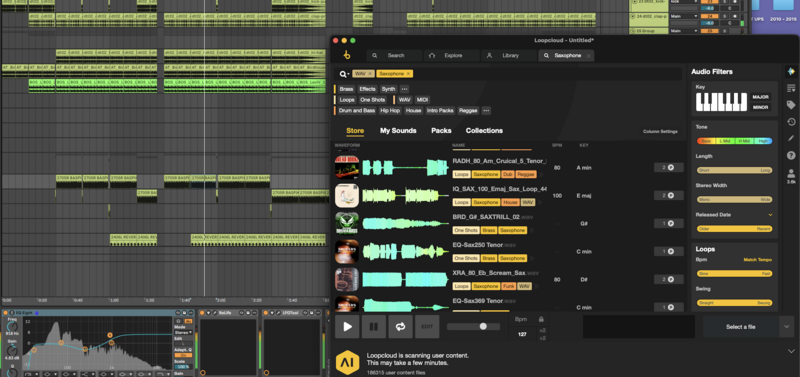
I mean, I already have quite a big foundation of samples I have built up through almost 30 years of digging, but the way it’s helped is that I know now that everything I need to build is there and easily findable. A lot of the samples I have are randomly labeled something else, so sometimes it’s hard to find exactly what I need. Also, obviously, a lot of the older samples have been used, but with new packs dropping all the time, it’s good to get some fresh stuff.
What do you think producers still get wrong about sample-based production or using loops in general, especially in house music?
Using obvious loops or samples, or even just piecing together loops and samples all from the same packs.
Obviously, they’re going to work, and it’s an easy win, but it’s also going to sound exactly the same as a million other tracks that also have that pack. Also, loops are great in my opinion, but also don’t be afraid to fuck them up. I spend a lot of time when I find something I like, cutting things up, trying different processing, and trying different placements.
Your job as a producer is to take these ready-made tools and transform them into your own. For example, on “Pinball,” I cut up about three or four sax loops to create the riff you hear in the final track, which means you might recognize one motif from a sample you heard, then it transforms into something different that didn’t previously exist together like that.
For producers trying to build more original records from samples, what are the most useful ways to move beyond dragging in a loop and leaving it untouched?
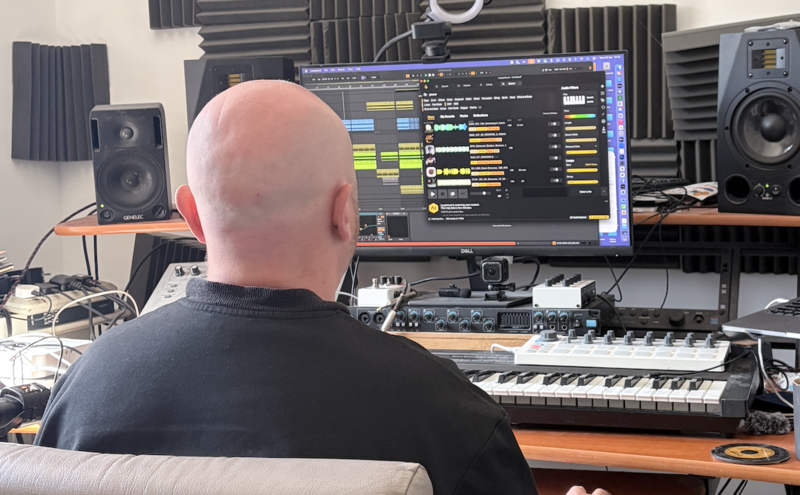
Cut things up. Move parts about, use multiple loops of the same instrument, and piece them together. Just because something is a loop doesn’t mean that’s how it has to stay. If you like one noise, stab, or part of the loop, but not the rest, cut it out and piece it into a new aesthetic, or even into a sampler and create your own riff. Processing also helps.
Overdrive it, flood it with reverb, or run it through something like ShaperBox to create something original with it.
Wrapping Up Our Chat With Huxley
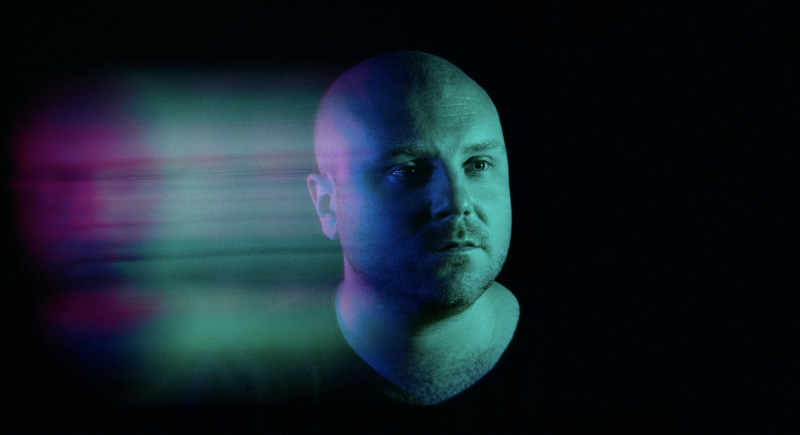
Huxley’s approach makes sample-based production feel less like a shortcut and closer to a decision-making process. The value comes from how quickly he can find useful material, then how carefully he edits it once it enters the track. A loop may start as a useful source, although the final result depends on how it gets cut, placed, processed, and blended with the rest of the record.
For producers using Loopcloud, the main takeaway is as obvious as it is hard to keep front of mind: organization helps speed, and speed gives you more time to make creative choices. Huxley uses the platform to search across a large archive, access fresh material, and keep ideas moving, although the real production work still comes from taste, editing, and committing to parts that serve the track. That balance is what gives Pinball Skizzard its shape, with samples used as musical material rather than decoration.