

Blog
Parra For Cuva On Choosing Samples That Feel Personal Before They Reach The Track
3 Jun '2026
Parra for Cuva explains how he chooses samples, layers percussion, manipulates vocals, and uses field recordings in the making of “Juri.” We talk about sample selection, resampling, personal archives, and production techniques behind his upcoming album Nacar.
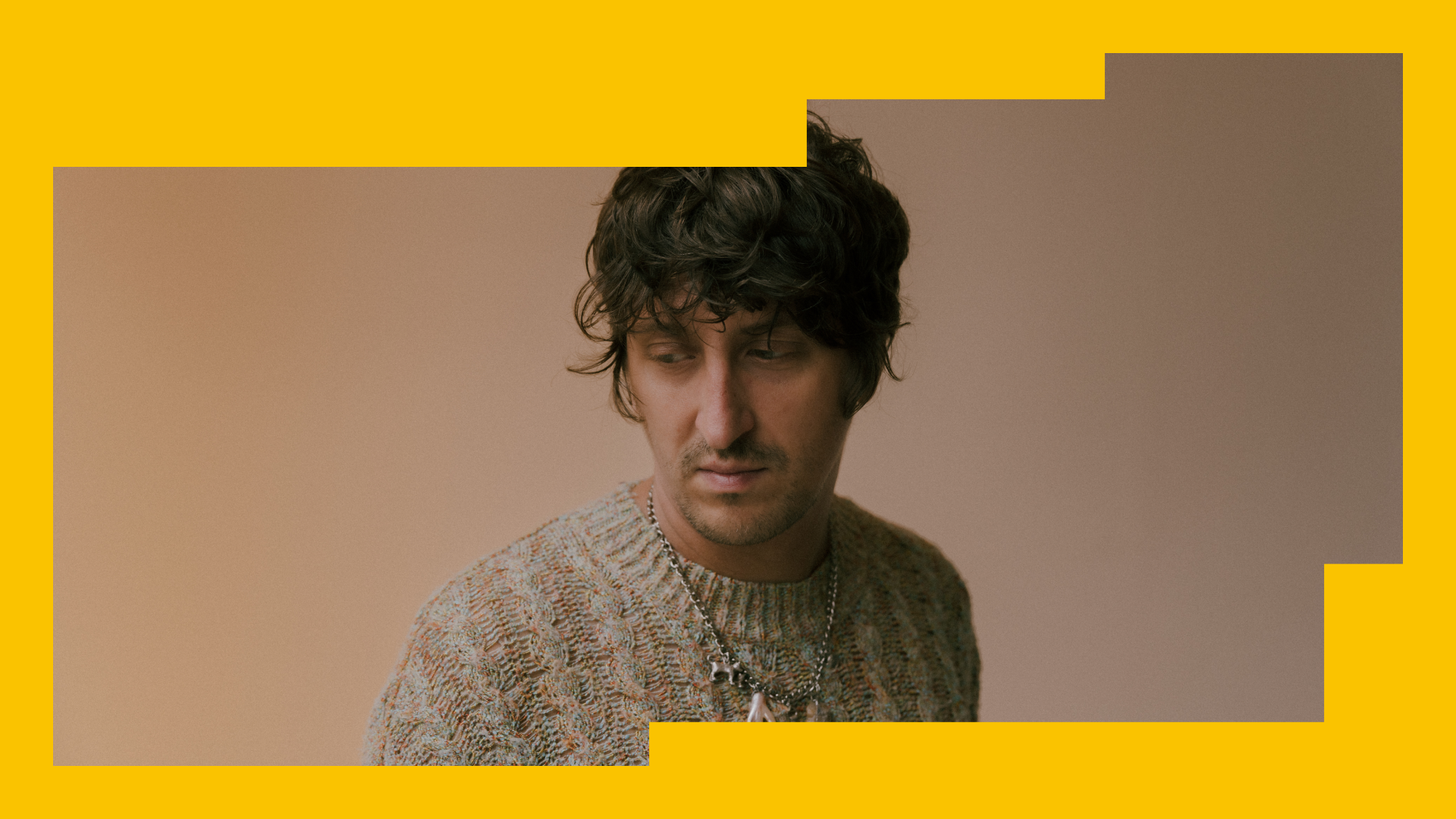
Press Image Cred: Max Hartmann Photo
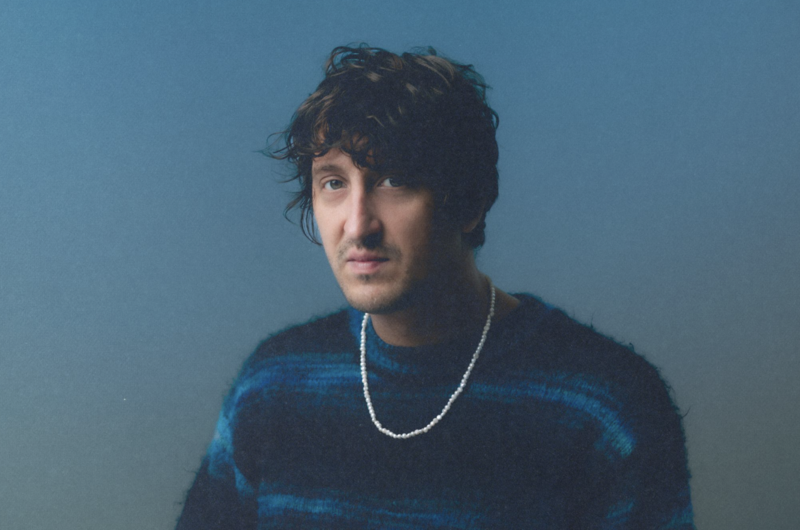
Parra for Cuva has built his catalog around detailed electronic music that draws on acoustic instruments, field recordings, vocal fragments, and percussion, all recorded with a human touch. Across albums, live sets, and collaborations, Nico Demuth has shaped a production style that sits between club music and headphone-focused listening, with an emphasis on texture, melody, and source material that feels personal before it enters the project. That perspective comes into clear focus on “Juri,” the final single ahead of Nacar, his sixth studio album, just dropped.
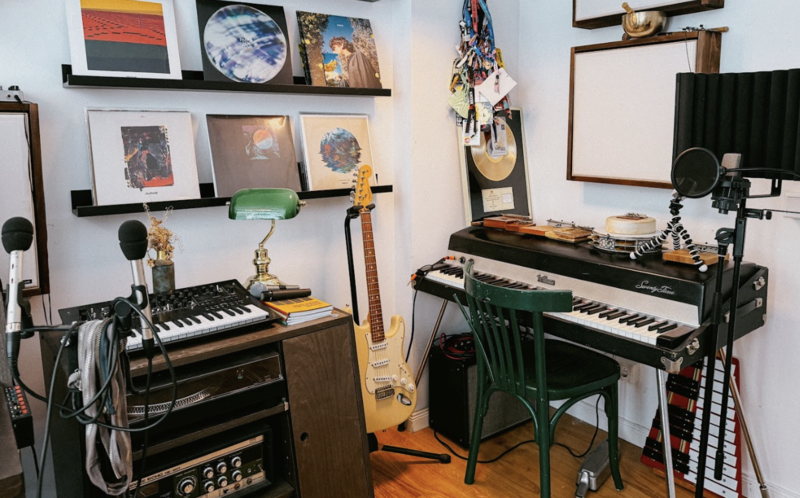
Built around self-played percussion, layered textures, and chopped vocal samples, “Juri” points toward the handmade production language running through the whole album. The track started from a piano memory shared with his girlfriend’s nephew, then took shape around a vocal sample, Juno-6 synth work, the Microcosm pedal, and layers of atmosphere.
Field recordings from his recent writing sessions in Costa Rica also appear on Nacar, giving the record a direct connection to the environments where parts of it were recorded.
In the interview below, Parra for Cuva explains what makes a sample worth using, why he often starts with drones and atmospheric layers, and how vocal manipulation, percussion layering, resampling, and field recording help him build tracks with personal detail. He also offers practical advice for artists and producers who want their sample choices to feel less obvious, from recording private source material to using processing effects such as compression, distortion, phasing, erosion, flanging, stretching, and layering to reshape sounds into something closer to their own identity.
Interview
What makes a sample worth bringing into a Parra for Cuva track?
A sample that finds its way into a Parra for Cuva track usually carries some kind of organic or global acoustic character. If it is an instrumental element, I am often drawn to rhythmic phrases with an emotional chord progression, or textures that can develop into atmospheric drones, especially string-based sounds.
With vocal samples, I look for the same sense of soul and identity. I love manipulating vocals through pitch and time processing while still preserving part of their original emotion and texture. That contrast between something human and something transformed is very inspiring to me. The best samples already contain a certain feeling or story before the track even begins to take shape.
When you are digging for samples, what are you usually listening for first?
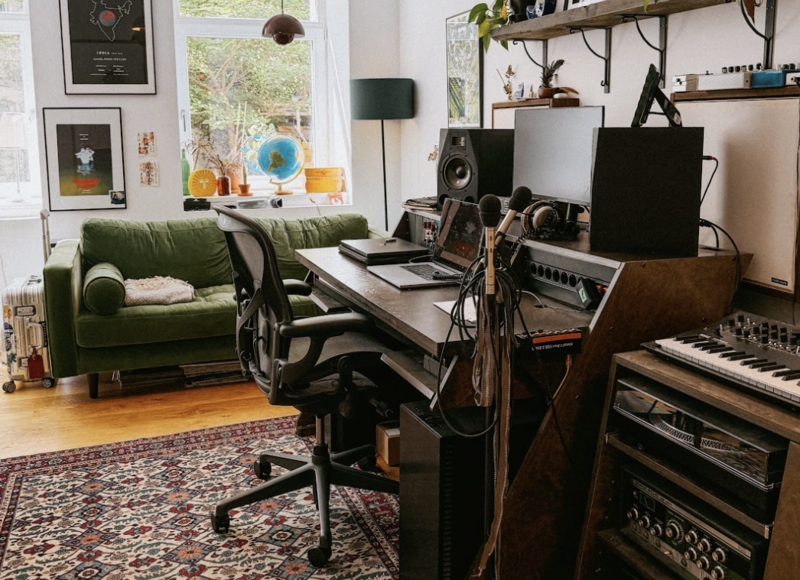
Most of the time, I begin by creating a drone or atmospheric layer that sets the emotional tone of the track. I let that run continuously while searching for samples, and I immediately notice when a sound naturally blends into that space.
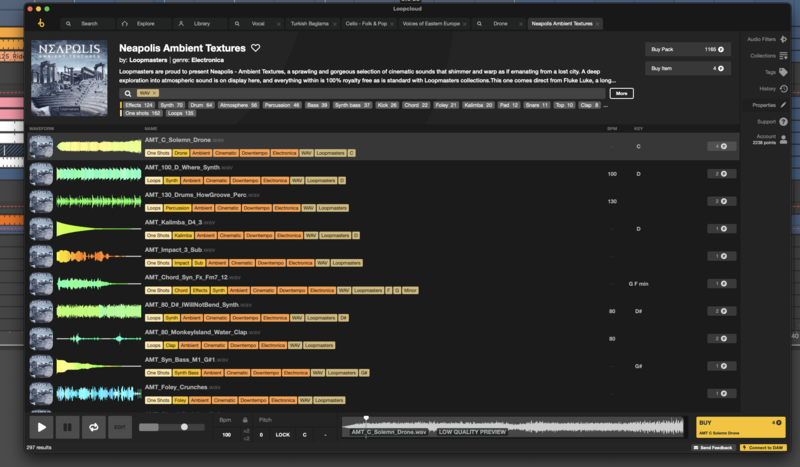
I am especially interested in samples that can be reshaped and manipulated heavily, because I never want them to feel too obvious or overused. Chopping, stretching, resampling, and layering sounds is a huge part of my creative process. The more possibilities a sample offers, the more inspiring it becomes. Often, the most exciting moments happen when a sound turns into something completely different from its original form.
What sample qualities helped define the sound of “Juri”?
“Juri” actually started with an idea I had before my first writing trip for the album. I remember feeling slightly overwhelmed at the beginning of the process, and while setting up my studio in Italy, I suddenly thought back to a moment a few days earlier when I was playing piano together with my girlfriend’s nephew.
We had been casually improvising, and I remembered this particular chord progression we played together. I decided to build on that feeling, and shortly after I discovered an incredible vocal sample that immediately connected with the idea. At that point, the emotional center of the track was already there. From then on, it became more about building a cinematic story around those elements, using my Juno-6, the Microcosm pedal, and layers of texture and atmosphere.
Why do you think layering samples together, especially in your percussion, works so well in your music?
Layering samples allows percussion to feel both organic and electronic at once, which I have always loved. I often combine multiple clap or percussion samples together because each layer contributes a different texture, transient, or sense of space.
That combination creates a sound that feels detailed and alive, rather than too clean or static. I think it also gives the music a slightly nostalgic sampled quality while still sounding modern and electronic. At the same time, layering lets live-feeling percussion sit naturally next to synthetic elements in the mix. The challenge is always finding the balance and knowing when to stop adding layers, because it can easily become overcrowded.
Do you have any tips for producers looking to approach sample selection to make their music feel personal and detailed?
I would always recommend recording your own sounds and building a personal archive over time. A small field recorder can completely change the way you hear the environment around you. When you are traveling, walking through a city, sitting around a campfire, or spending time with friends, there are constantly unique sounds worth capturing.
Sometimes it is laughter, metal resonances, footsteps, the crackle of wood in a fire, or random ambient textures that later become incredibly inspiring in the studio. Once processed with compression, effects, resampling, or layering, those recordings can become the emotional foundation of your sound. I then like to combine those personal recordings with high-quality sample library material, often further processing those sounds with distortion, phasing, erosion, or flanging to make them feel more individual and less recognizable.
Outro
Parra for Cuva’s process shows how sample selection can start well before a sound reaches the arrangement window or your DAW's timeline. A field recording, vocal phrase, percussion one-shot, or some random texture can completely change the game when it fits the track's tone and leaves enough room for transformation. His approach centers on listening for source material with identity, then using pitch, time, resampling, pedals, synthesis, and effects to move it closer to the music's emotional direction.
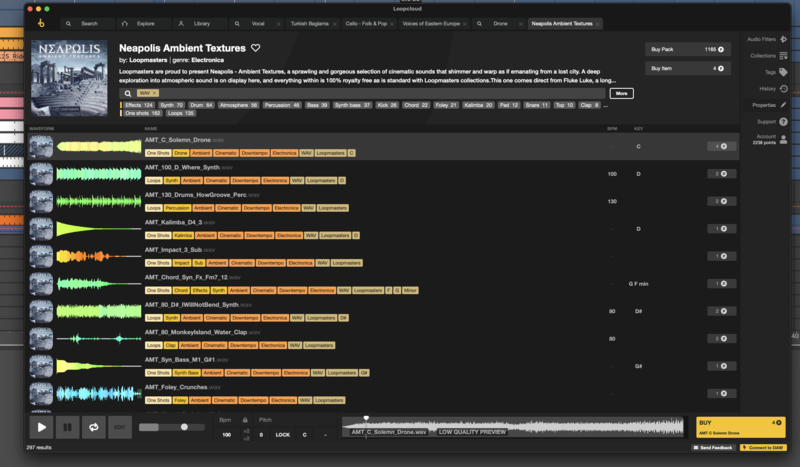
For producers using Loopcloud, the biggest takeaway is hopefully obvious: the best sample workflow combines search speed with personal taste. A library can help you find high-quality material quickly, while your own recordings give the track a private layer that no pack can fully provide. When those sources are chopped, stretched, layered, and processed with intention, sample-based production becomes less about finding a finished loop and more about building a sound that belongs to the record.