

Blog
Bayonne on Foley Samples, Loop-Based Writing, and His New Album Filters
28 May '2026
Bayonne talks field recordings, the power of having one amazing loop, and sample choice around his new album Filters and single “Oxygen.”
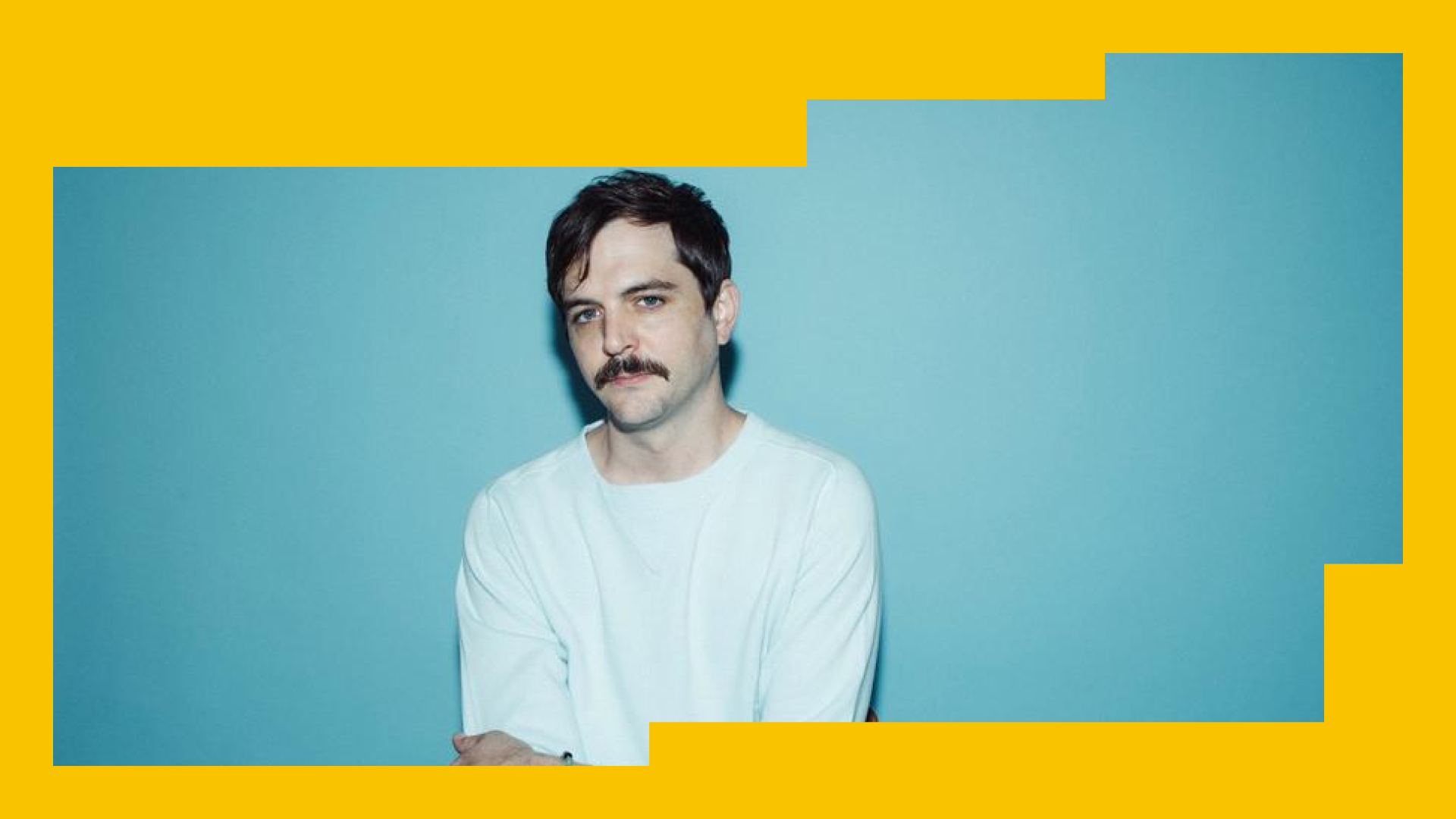
Bayonne returns with Filters, his new full-length album, dropping on September 4 via Nettwerk, and the announcement comes with “Oxygen,” a new single that points directly to the record’s central ideas of acceptance, creative renewal, and belief in the work again. Roger Sellers has spent the last decade building Bayonne as a project rooted in layered synth writing, loop-based construction, field recordings, piano, percussion, and vocal detail, and Filters continues that approach while moving through grief toward a steadier sense of acceptance. The album follows 2023’s Temporary Time and includes previously released singles “Multiphase” and “January,” with Oxygen now giving the project another touch point ahead of its fall release.
A large part of what makes Filters interesting is how personal the sound selection became during the writing process and how one good loop is all you need to make one amazing record.
Sellers worked closely with Bayonne drummer Matt Toman, resurfacing older demos, shaping visual direction, and folding in field recordings from nature hikes, time on a Texas farm, and family gatherings.
That process sits perfectly with how Sellers thinks about sound and sample selection in all his music, much of which we discussed in our interview below, where he describes field recordings as a personal archive within the music, almost like a marker of time and place. One of the clearest examples comes from a thunder crack recorded during a rainstorm on the farm, which became a featured sound on the album after the moment was captured almost by accident (and just because he recorded that sample himself doesn't mean you couldn't tap into that same mindset through the use of foley and found-sound samples on Loopcloud).
Bayonne talks field recordings, loops, and sample choice around his new album Filters and single “Oxygen.”
The release also arrives with a full U.S. tour beginning September 27 at Beer City Music Hall in Oklahoma City, followed by stops in Chicago, New York, Austin, Los Angeles, Portland, San Francisco, Denver, Seattle, and several other cities. That timing gives Filters a wider perspective than a studio project alone, especially for an artist whose live shows have long relied on looping, performance layering, and the tension between electronic detail and human timing. In the interview, Sellers makes it clear that every sound on this record needed a reason to be there, and that focus on space, clarity, and purpose gives Filters a clear identity before it arrives in full.
Interview
Where do you usually find the first spark for a song: a loop, a chord, a field recording, a drum idea, or a vocal phrase?
I usually just go with whatever I feel inspired by in that moment, whether that’s a piano or guitar line, a drum loop, or even just messing around with a synth until I find something.
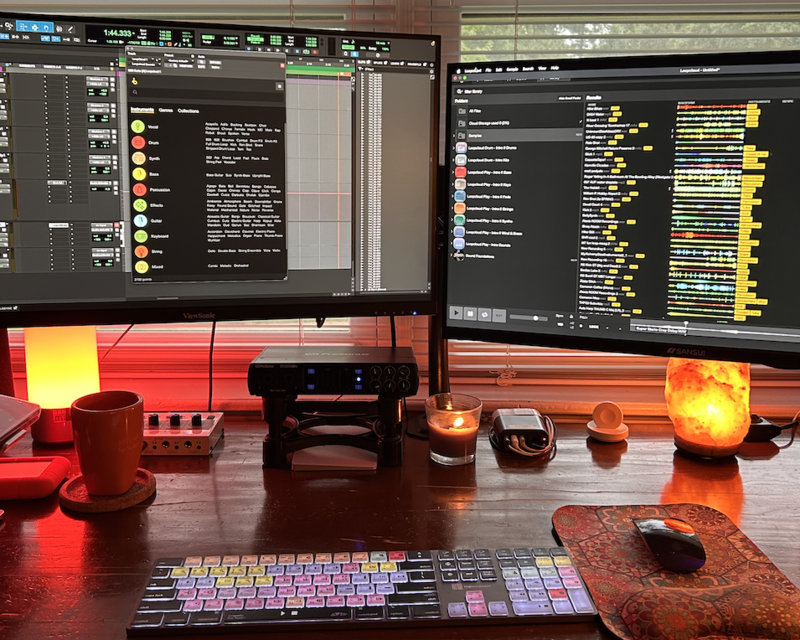
There’s not really a definitive way for me to start a song, but sometimes it can be difficult finding the inspiration to go all in. Loopcloud makes it super easy to jump right into something fun that works within your own style, all while never having to leave your DAW.
What did the field recordings from the Texas farm give you that a synth or plugin could not provide on its own?
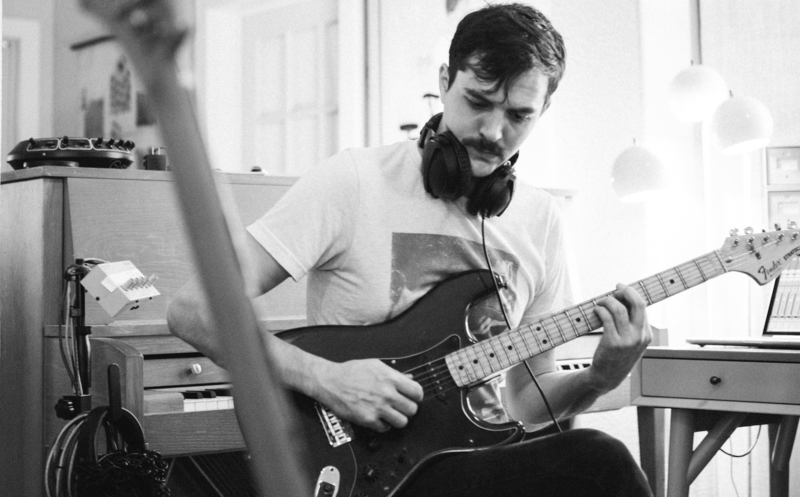
Overall, those field recordings from the farm helped create a sense of authenticity, at least for me. I’ve always enjoyed making field recordings and implementing them into my music. It kind of acts like a journal within my music, pointing me to a different time and place in my life. Music sounds more interesting, in my opinion, with the addition of real-life elements and ambient activity.
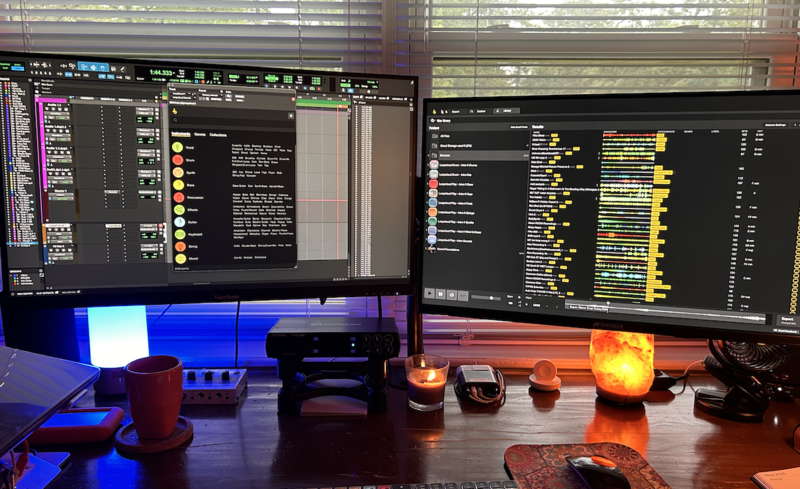
Generally, I try to use my own field recordings, but sometimes I’ll use Loopcloud to find something specific to help set an atmosphere. Recently, I was looking for a certain type of texture in the upper midrange that was hard to pinpoint. I pulled up the Loopcloud plugin and immediately found several textural options that could work. Ultimately, I feel like the best results usually come from a blend of organic and electronic elements, so it all balances itself out in the end.
Why does looping feel so central to the way you write, especially when your songs still need to move like full pop arrangements?
In many cases, all you need is a good loop to create a great song.
There are so many ways to create dynamics and carve out space around it. Honestly, most of my favorite songs are probably loop-based because they set a tone, and the repetition allows your brain to really settle into the groove. As long as there are good melodies and a strong structure built around it, the possibilities feel endless. It can be a real challenge, but once it all comes together, it almost feels like the song was never based on a loop at all. That’s something I really enjoy about using Loopcloud — sometimes a single loop can immediately spark the identity of a song and push you into a creative direction you might not have found otherwise.
Why did resurfacing decade-old demos feel right for Filters and how did you breathe new life into these old sketches?
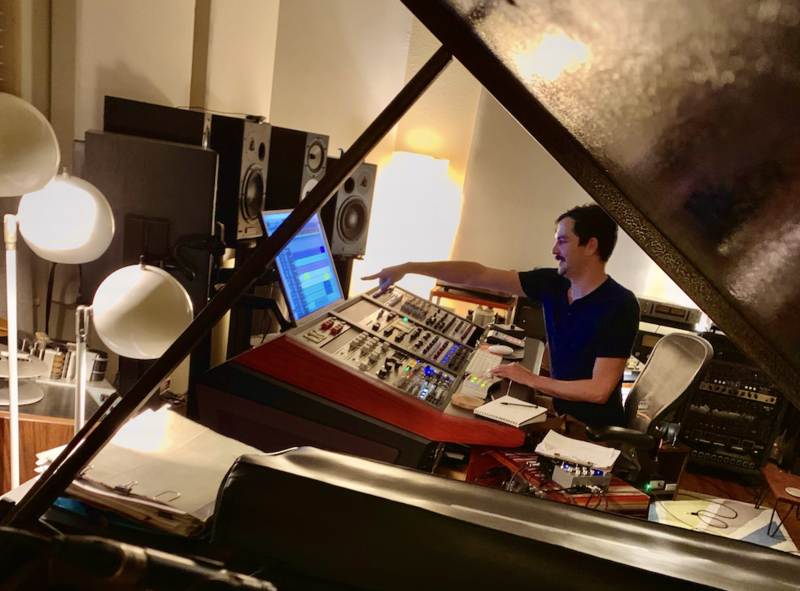
Sometimes the moment just feels right to finally let something come to fruition. There are a few songs on the record that had been sitting around for quite a while. They all started as demos built around synth loops my friend and Bayonne drummer, Matt Toman, had made. Over the years, we kept adding instrumentation and eventually recorded full drums, but for whatever reason, we would always move on to something else.
The songs got revived, sat around a little longer, got revived again, and finally, last year, I wrote lyrics and recorded vocals for them. Hearing them now in context — with all the history behind them — is truly gratifying for both of us. I think that process also reinforced how inspiring loops can be over long periods of time. Even now, using Loopcloud can bring back that same feeling of revisiting an old idea and suddenly hearing new potential in it years later.
Were there any samples from the Filters process that surprised you the most once they made their way into the arrangement?
There are a few samples throughout the record that ended up shining through the mix much more prominently than I imagined they would. One of my favorites is a gigantic thunder crack recorded out at the farm. Matt and I were inside recording when it started raining, and the atmosphere felt really special, so I picked up my field recorder and went outside.
Within a few seconds, there was this crazy lightning strike that must have been only about 100 feet to my left, and it was probably the loudest thing I’ve ever heard in my life. The timing was insane, and it felt like such a unique moment that I decided to work it into one of the songs. You can even hear our reactions because I let the recording roll all the way to the end. Moments like that are why I love blending my own recordings with found sounds and textures from Loopcloud — it helps create a world that feels both personal and cinematic at the same time.
Would you mind sharing the most important lesson about sample selection and sound choice that you learned throughout the writing process of this record?
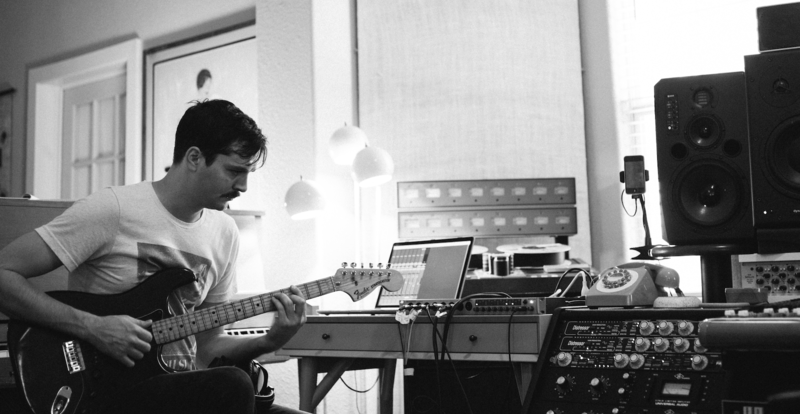
With this record, I felt like everything had to have a purpose. In the past, there were definitely times when I wanted to throw in as much sonic information as possible and create the most layered music I could. For some reason, this record felt a little different. All the ingredients were meant to work together with more intention. Using Loopcloud made it easier to quickly find sounds that actually complemented the emotional tone of a track instead of just filling space for the sake of it.
I also think a lot of that came from learning so much more about mixing over the last few years and realizing how crucial it is to create space in order to maintain clarity. Sometimes restraint can have just as much impact as adding another layer. That mindset also changed the way I approached sample selection.
Conclusion
What comes through across the whole conversation is that Bayonne’s process relies on the same kind of intentional listening that makes modern sample-based workflows useful in the first place, since he is not using field recordings, loops, or old sketches as decoration but more so as source material with memory, texture, and purpose, then shaping those pieces until they support the song instead of crowding it.
That is also where Loopcloud fits naturally into the conversation. You do not need to stand in a thunderstorm with a recorder to work with the same kind of intention Bayonne describes. Loopcloud has foley sample packs, found sound libraries, ambient recordings, environmental textures, and one-shot details that can help producers bring real-world character into a track without breaking the flow of the session. The point is still selection. A sound has to support the emotional tone of the record, and having a focused library makes that process faster and more usable.
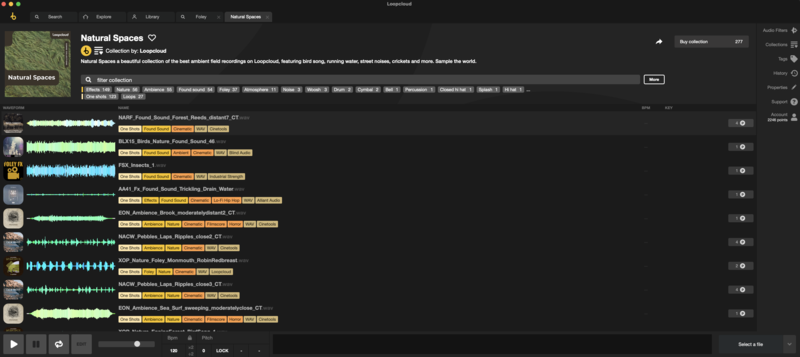
For any of you still reading this, the takeaway is hopefully obvious: found sound works best when it gives a track a clearer sense of place, movement, or memory. That could be rain noise tucked beneath a synth part, room tone sitting under a loop, a door hit turned into percussion, or a field recording used as a transition between sections. Loopcloud makes those kinds of choices easier to test quickly, which means producers can chase the same kind of personal, textured feeling Bayonne talks about while staying focused on the record in front of them.