

Blog
noevdv On Loopcloud, Sample Selection, And Building mulholland drive
9 Jun '2026
noevdv explains how samples, chords, and texture shaped mulholland drive, with tips on choosing sounds that fit the track and serve the core feelings.
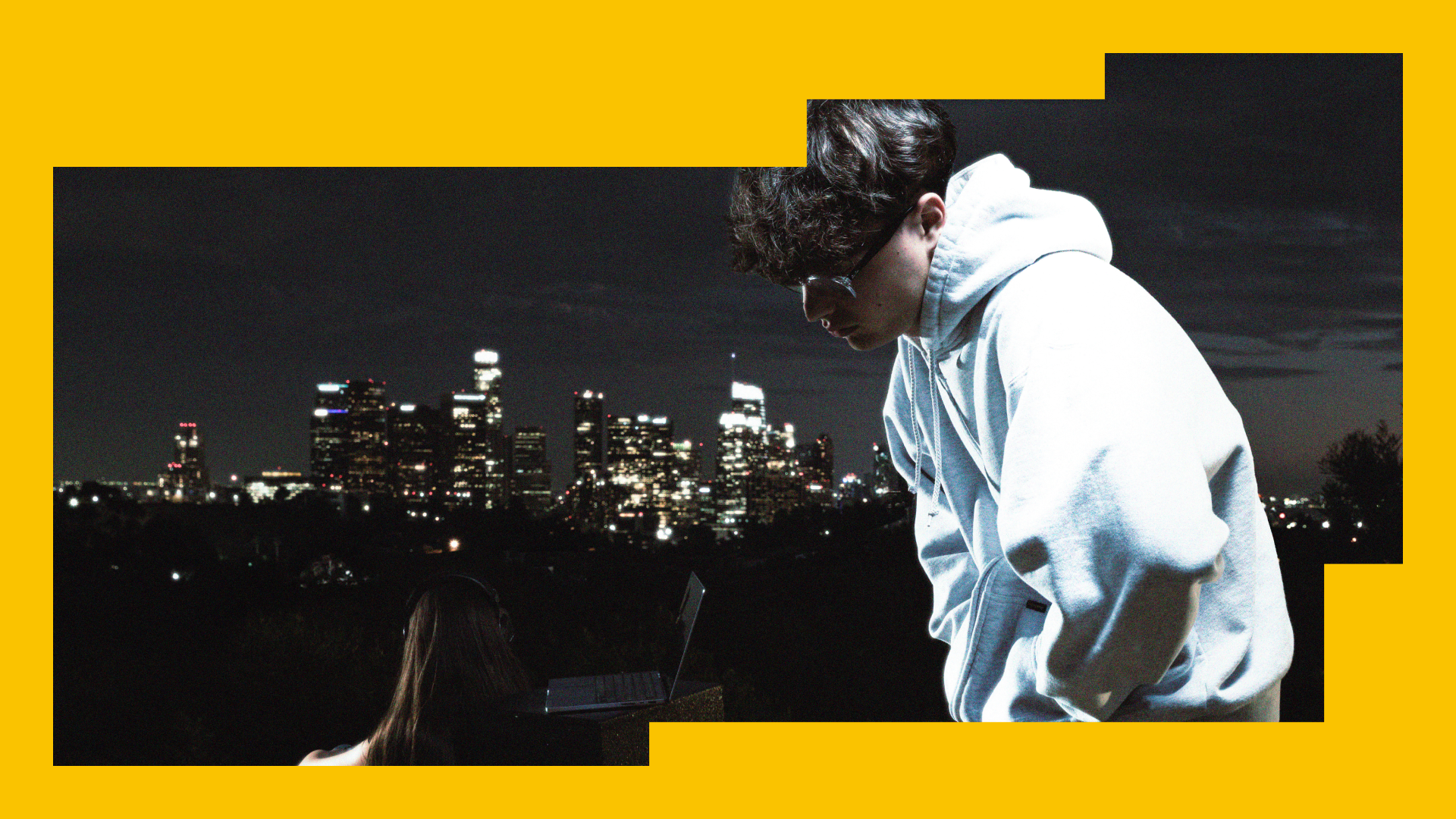
Press Photo Cred Throughout: Max Durante
There is a very specific kind of producer who learns by digging. Before the branding is even thought of, before the artist's name has real momentum, and before the whole process feels dialed in, a lot of the real learning happens by searching, testing, dragging sounds into a session, and figuring out what actually creates a feeling. noevdv came up through that exact path, starting outside Brussels, spending hours inside sample libraries, and learning how chords, texture, and melody could shape the first emotional read of a track.
That process now sits at the center of mulholland drive, his debut EP, and a big step into a fuller artist identity. The project was built between Belgium and Los Angeles, with early-2000s R&B, lo-fi electronic production, internet-era sampling habits, and late-night uncertainty all feeding into its final shape. Across the tracklist, noevdv leans into those hazy chords, filtered details, vocal fragments, and low-end pressure that make every single one of his productions feel as intimate as they feel massive, all without overcrowding the songs. The result feels personal, direct, and closely tied to how a producer hears things before anyone else does.
For us, that makes this conversation with noevdv below so especially interesting. Loopcloud is often at its best when it helps producers move faster without making the process feel generic. Noevdv talks about that balance throughout the interview, from searching for chords first to knowing when a track already has enough. He also gets into how his early years using sample libraries shaped his taste, how he decides what belongs in a song, and how sample selection helped connect the singles on mulholland drive into one clear creative identity.
When you open a sample library, what are you listening for first: tone, texture, timing, mood, or space?
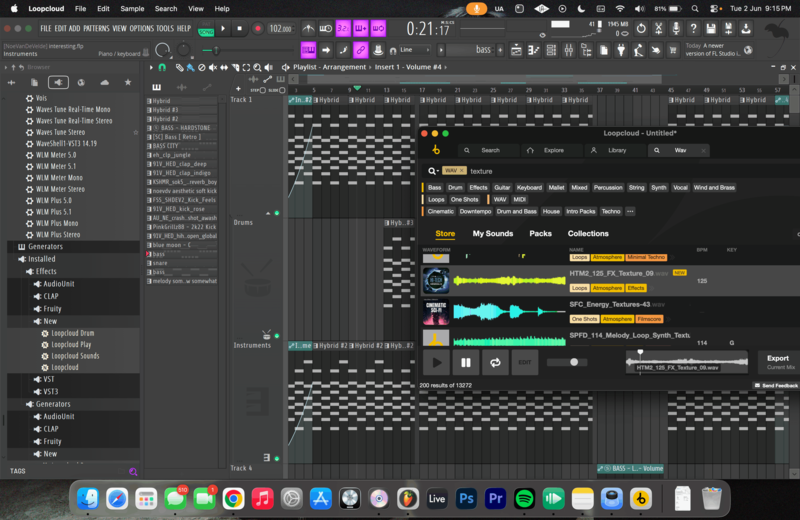
Definitely anything with chords, whether it’s keys or synths.
That’s usually the first thing that catches my attention when I open a sample library. I really love discovering new chord progressions or different ways to put chords together. Most of the emotion in my music starts from there.
“nobody like you” sits in a very specific place between electronic production, lo-fi detail, and alternative songwriting. How do samples help you find that balance early in a track?
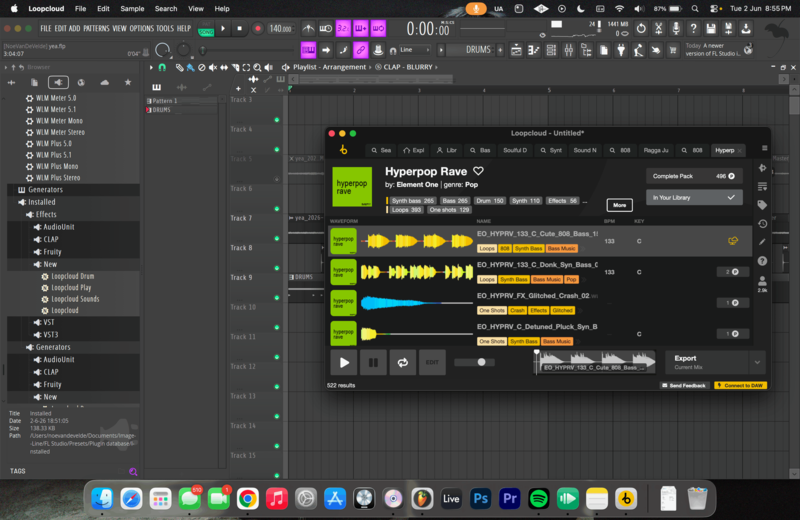
On this song, everything was made from scratch, though most of the time I’m mainly looking for certain chords or textures.
That’s usually what inspires me first when I start creating. I really try to build a specific mood and tone from the beginning of the process. For me, the atmosphere of a track is more important than adding a lot of elements. Once the emotion feels right, everything else comes naturally.
You started producing young in the Belgian countryside. How did those early years shape the way you search for sounds now?
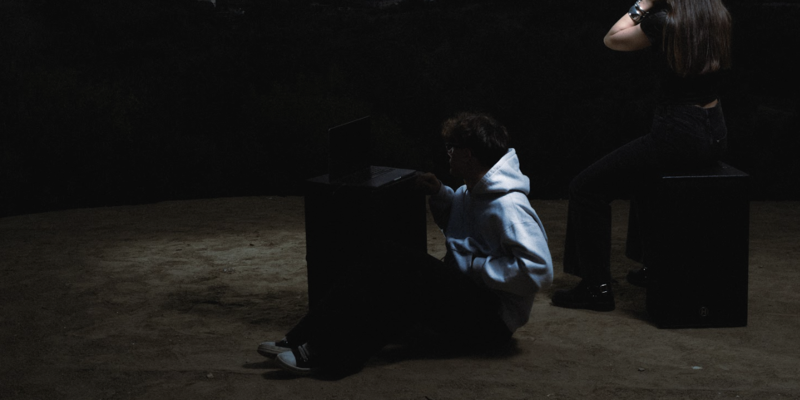
That’s when I first started using samples from libraries and from songs themselves.
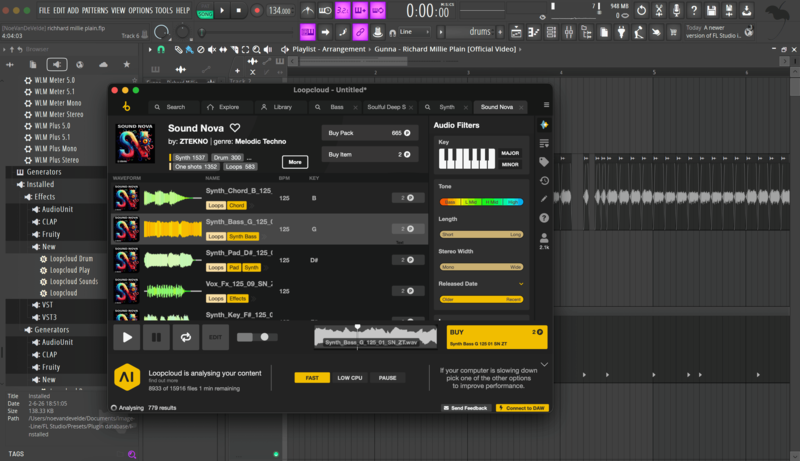
Back when I started producing in 2015, I didn’t really know anyone making loops personally, so sample libraries were a big source of inspiration for me. They helped me discover new sounds and understand how to build atmosphere in a track. I was spending hours on Loopcloud searching for textures, chords, and melodies that gave me a certain feeling. I think that period really shaped the way I approach production today.
I love digging through Loopcloud libraries to discover new sounds that evoke the feeling I’m searching for.
Do you tend to begin with a sample and build around it, or do you usually search for samples after the main idea is already there?
I do a bit of each, honestly...
When I feel inspired, I usually start by creating my own melody and then build around it with textures or samples. When I’m less inspired, I’ll often start from a sample and try to chop it, stretch it, or transform it into something that feels personal. I like using samples as a starting point while still adding my own identity to them. No matter how I start, the goal is always to make it feel connected to my own creative identity in the end.
What advice would you give producers using Loopcloud who save too many samples but struggle to choose the few that actually belong in the track?
For me, the most important thing is the feeling. When I’m making a track and I start noticing that it already sounds good and captures the emotion I want, then I know the final version probably isn’t far away. At that point, I try not to keep adding things just for the sake of it. Sometimes the few sounds that truly belong in the track are the ones that instantly give you a feeling.
With mulholland drive on the way, how did sample selection help connect the singles into one larger artistic identity?
At this point, I really know what I like and what fits my creative identity, so I trust that instinct a lot.
I’m naturally drawn to emotional and nostalgic sounds, things that instantly create a feeling. Once I find a sample or texture that really connects with me, I try to build around it without overcomplicating it. I think that consistency in taste is what helped connect all the singles into one larger identity. Even if the songs are different, they all come from the same atmosphere and emotional space.
Wrapping Up Our Chat With noevdv

The main takeaway from noevdv’s process is that sample selection can be less about collecting material and far more about recognizing intent early. He is not talking about filling a session with options or trying to force a track to feel finished through extra layers. He is talking about knowing the emotional target first, then using chords, texture, and tone to get there as directly as possible.
That is also what makes mulholland drive feel like a natural next step for him. The EP draws on his history with sample libraries, his move between Belgium and Los Angeles, and his producer-first approach to hearing music. Across the conversation, the clearest thread is intentional restraint. Find the sound that says the right thing, build around it, and stop before the idea gets buried.