

Blog
Solardo Break Down Their Sample Workflow For Modern House Records
16 Jun '2026
Solardo discuss Loopcloud, sample choice, drum workflow, independent releases, and how older house references shape their current studio process now.
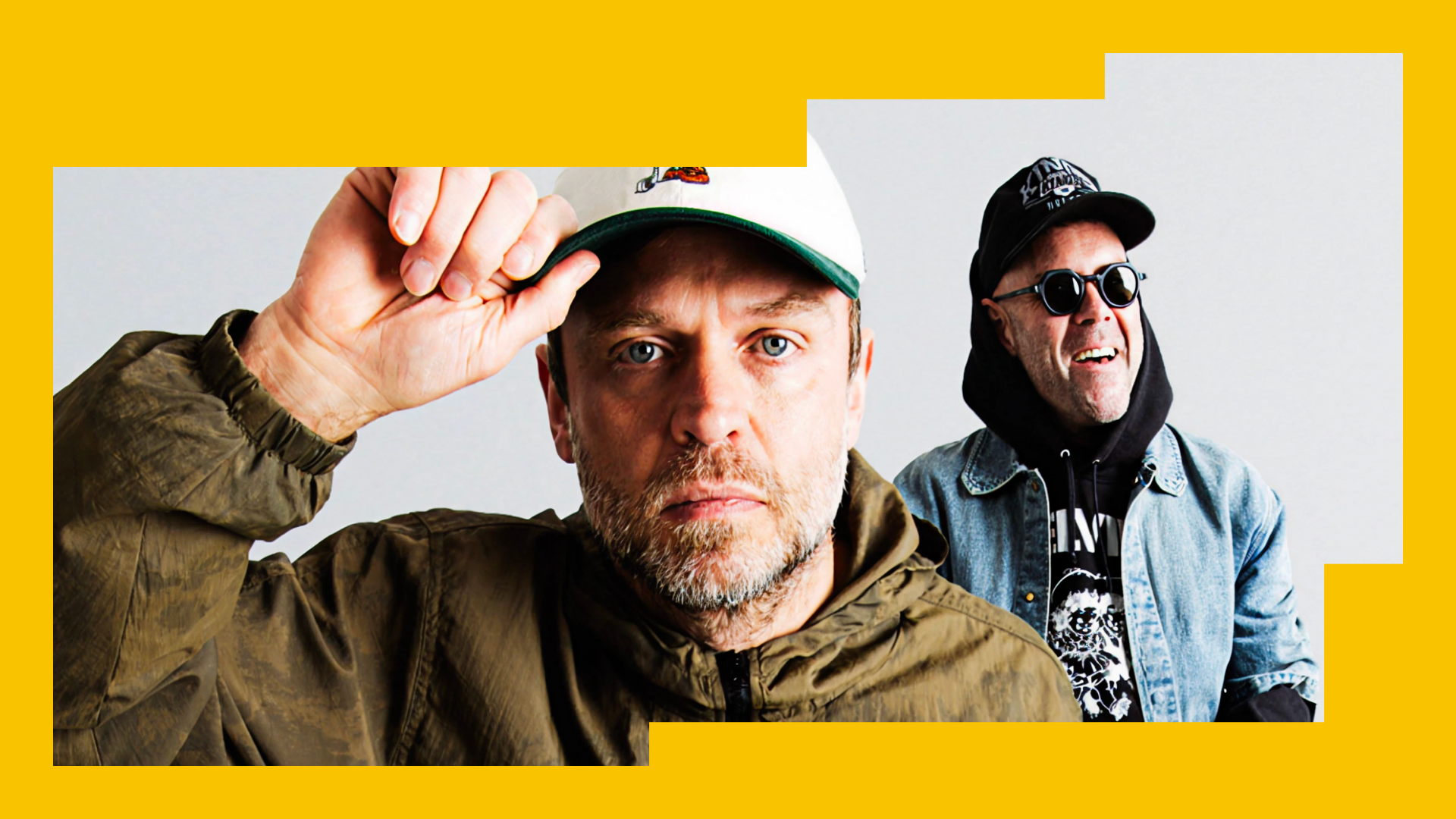
Solardo have been moving through house music long enough to understand how much the studio has changed, and also how much of the process still comes down to taste. Mark Richards and James Eliot have built a career across major stages, club records, Sola Records, and releases with some of dance music’s biggest labels, yet their current workflow still comes back to simple questions. Does the sound fit the record? Does it move the idea forward? Does it help the track get finished faster?
That context makes their current run especially interesting. With a new release on Defected and another release landing soon on Hot Creations, Solardo are back in a fast-moving release rhythm, this time with a renewed focus on independents after a long label deal. That shift matters in the studio because sample choice, clearance, speed, and instinct all become part of the same conversation. When the process is less restricted, ideas can move from sketch to final record with less friction.
In this interview, Solardo get into the practical side of that workflow. We talk all about how they usually start with drums, using Loopcloud’s browser and auditioning tools to move quickly, leaning on 90s-leaning samples while keeping synths current, and building a cleaner personal library instead of saving everything. It is a useful look at how experienced producers use sample libraries with intent, rather than treating them as a place to scroll aimlessly.
How has your sample workflow changed now that you’re releasing through independents again and moving faster between studio ideas and finished records?

It’s far easier working with independents, as the samples you use aren’t under so much legal scrutiny, which makes making and releasing tracks far simpler.
Even using samples advertised as royalty-free often requires review when working with a major. That slows down the workflow, which in turn can slow down creativity.
When you open Loopcloud at the start of an idea, what are you usually searching for first: drums, vocals, bass references, FX, or something less obvious?
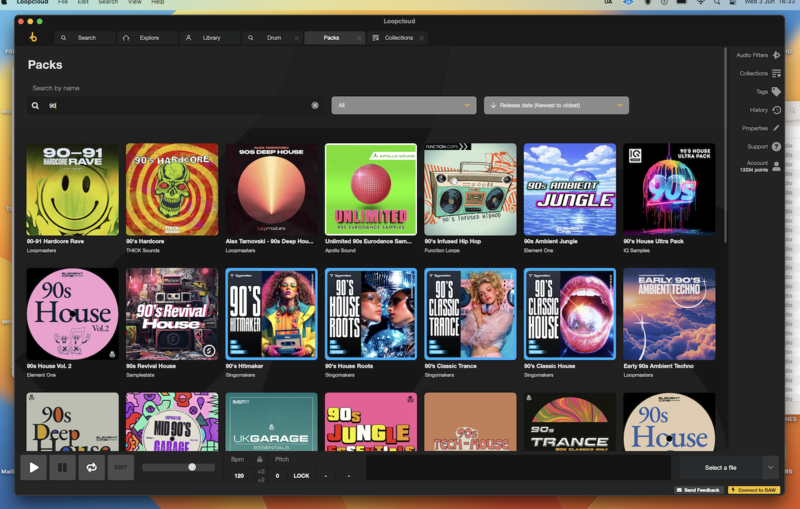
I often start with the drums.
I will often cut up whatever loops I use, or just use top loops to sit underneath my own drum parts, while using individual hits for the kicks, claps, and lead hats. I think this way you have far more control over the groove and the end result.
How do you use sample selection to separate one release from another when you’re working across labels like Defected, Hot Creations, and Sola?
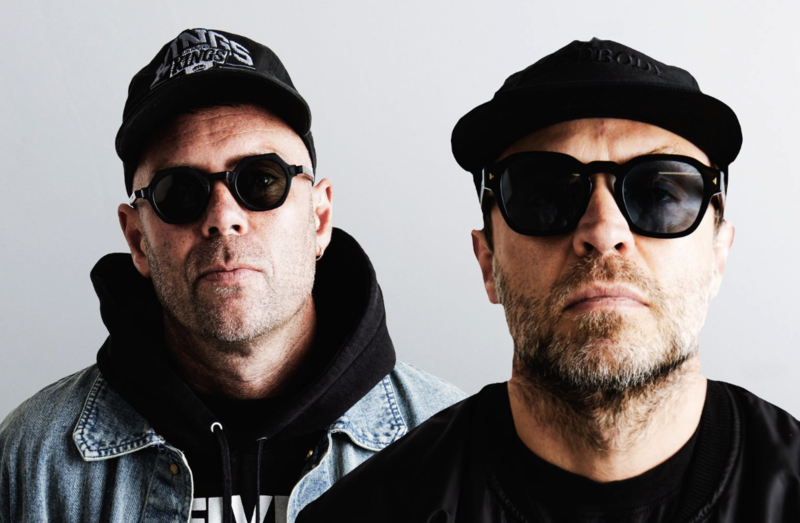
For our sound nowadays, we go for older 90s-feeling samples and drum parts. We rarely use samples for basses and synths, as we prefer to make them ourselves.
We have go-to basses and synths that we use, either through hardware such as the Moog Little Phatty or U-he synths. This helps keep a running thread across our tracks.
Are there any tips you can share that can help producers tap into a genre or feel like you did with your 2010s house sound while still keeping a modern edge?
I think to keep a modern edge, it helps to mix up genres and eras.
For example, we like to use '90s-sounding drums with modern-sounding synths. It can be anything you want, as long as you mix it up and sound different from what’s out there. A lot of the tracks that cut through nowadays usually have a twist to them that makes them a little bit different.
How do you use Loopcloud’s browser, tagging, and auditioning features to keep momentum during a writing session?
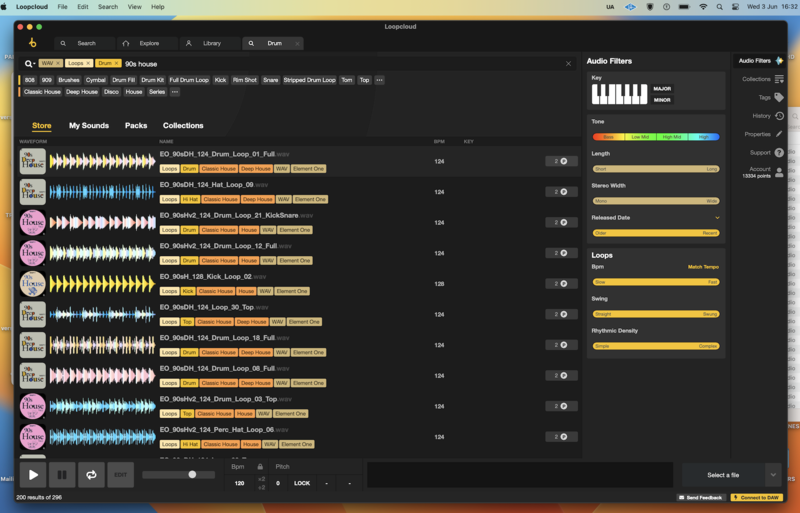
We use the browser a fair bit by typing in what we’re looking for and then auditioning what it presents to us. Sometimes we’ll be quite broad with the prompts, which will bring up loads of options. We do start with quite specific searches though, which can sometimes be quite limited depending on what we are looking for.
What I prefer to do is listen to the packs in the genre I am searching and listen to the demo of the pack. That gives me an idea of the quality of the samples and the mix of them all. Some packs on Loopcloud are a lot better than others, and listening to the demo helps distinguish between them and know where to search for the individual stems.
What advice would you give producers who have access to huge sample libraries but struggle to choose sounds that actually serve the record?
It’s easy to get lost when your sample library is vast.
A lot of the time, there are needless samples or duplicates in your own sample library, so it’s always good to pick out the best as you go through them and create your own go-to folders. This takes time at first, though it streamlines the process in the long run.
Final Thoughts After Charring With Solardo

The clearest takeaway from Solardo’s process is that speed in the studio does not come from rushing. It comes from having systems that reduce wasted decisions. Their approach to Loopcloud is practical: search with intent, audition quickly, listen to the full pack demo when needed, and pull the best material into folders that can be reused without starting from scratch each time.
The other key point is how selective they are about what samples they handle in the record. Drums and 90s-leaning source material can give a track its initial identity, while bass and synths are usually built from their own hardware and software setups. That split helps keep the records connected without making every release feel identical, which is especially useful when they are moving between labels, touring heavily, and releasing music at a faster pace.