
Blog
Beyond the Packs: HY2ROGEN Tells us how Trial and Error Built a Sample Powerhouse
30 Jun '2026
Hear more from the man behind the infamous samples, find out what drives the sound of this veteran sample label, and how to manage the sample crafting process to work smarter

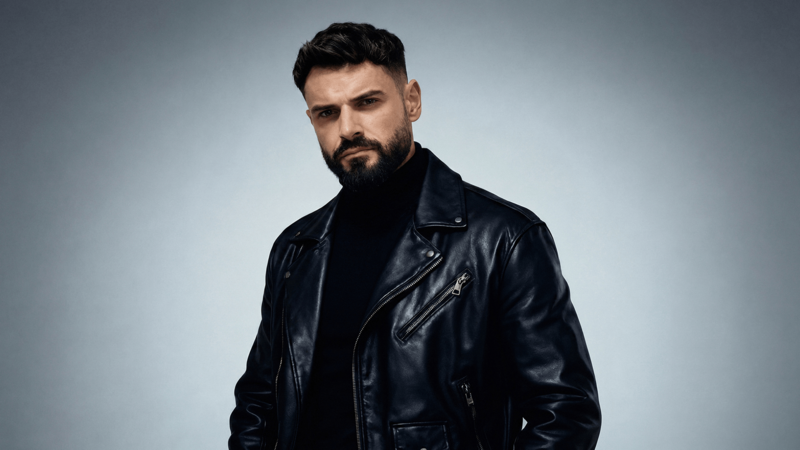
When looking through the masses of sample packs on Loopcloud, someone you will almost certainly have seen on your journey through sound is HY2ROGEN – with over 16 years of sample pack crafting experience, label boss Andrei Axinte is a music producer and sound designer from Romania, who started making music back in 1999 at the young age of 11.
In 2009, when the newly widespread online sample market was getting on its feet, Axinte was beginning his sound design and sample making journey, moving away from releasing original tracks and into the sample making world.
The game might have changed, but the name stuck. Today, HY2ROGEN has over 200 packs available on Loopcloud, cementing himself and the label as a powerhouse that’s here to stay. We’ve got plenty of experience working with the top sample labels, and HY2ROGEN is no exception.
We caught up with Andrei to find out more about what goes into every HY2ROGEN sample pack.
What were some early influences or experiences that shaped your sound and career?
My father played in a rock band, so I grew up in a house where music was always on. My childhood and teenage years were soundtracked by the 70s, 80s and 90s, and somewhere in there I developed a thing for a heavier, bass-driven sound. That instinct ended up shaping everything I made later – my first tracks were all tight, punchy drums and heavy electro basslines. Deadmau5 back in the day laid some of the first bricks on my journey in sound, too. I miss those days!
Was there a defining moment that made you realise you wanted to pursue music professionally?
I've been around studios since I could walk, always surrounded by synths, keyboards, drum machines, drums and guitars. Even so, I never thought of music as a career until college. I entered a local remix competition and met a fellow producer there – we became friends and ended up partnering on countless projects. That's when things got serious. I started working with artists from all over the world on original tracks and remixes, and there was no turning back.
Did you decide to pursue sample packs over music, or did it just happen? What are the benefits of this route?
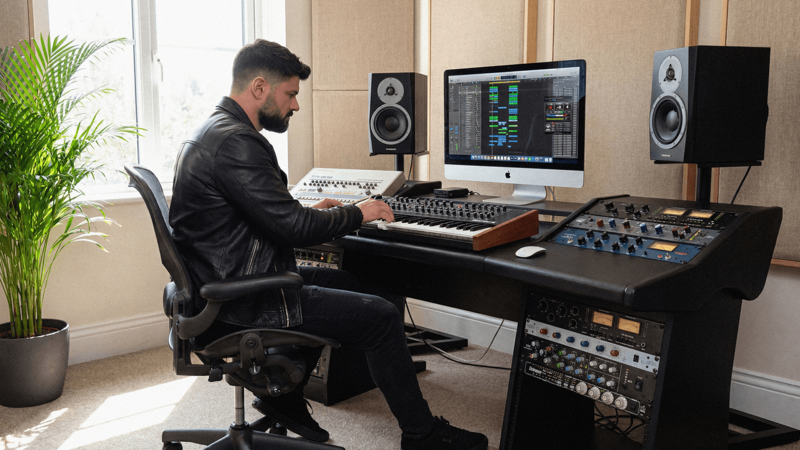
It mostly just happened. I've always struggled to finish songs – I find it hard to commit and call a track truly ‘done’ – and that's what nudged me toward samples. My first packs were actually my own unreleased track ideas.
In a way, making samples lets me be part of inspiring the music that's being made out there; the sounds I put out are little pieces of me going into the world. I still feel connected to the crowds through the artists who use HY2ROGEN samples. I'm grateful to have practised my craft and made a living from it all these years. Since I started releasing samples officially in 2009, it didn't take long before I was on the desktops of producers all around the world.
How would you describe the HY2ROGEN sound now? What can people expect from one of your packs?
Over the years I've brought in producers from around the world to widen the sound palette, and I think it's paid off. We've united cultures and talent from every continent, all collaborating to create original, inspiring content. The HY2ROGEN sound today spans a wide range of dance music styles
and sub-genres.
I've always pushed to improve the product year after year – not just the sounds, but the utility, the organisation, the presentation. Every pack reflects quality and attention to detail, with one rule above all: the producer comes first.
Over the years, has it taken a while to find that sound? And what did you learn along the way?
There's no single sound to pin down – it's more of a style, a way of doing things that carries across multiple electronic genres. It's been built on years of experimenting and crafting the samples themselves; that trial-and-error process is exactly what led to the production quality, techniques and output we have today. And that's the biggest lesson too: embrace the trial and error, and stay authentic. That's how you find your sound.
What role do samples play in your own music, and how has that evolved?
I've been a fan of samples since the very early days. I still have some of the old sample CDs that came out of Germany – those made it so much easier to start making electronic music than sampling off real synths, which I've always found to be a pain, even though I had access to plenty of them before I ever started producing.
Fast forward to today and I still own and use an extensive collection from all kinds of labels. It's a genuine superpower. Knowing your library inside out – being able to go straight to the folder you know has ‘those’ sounds – is one of the great hacks of music production.
What's your creative process like when you start a new pack?
It depends on the type of pack. Construction kits start out like normal track ideas – I build a proper drop first, then craft the breakdown to make that drop hit even harder, so the whole thing works as a full track starter.
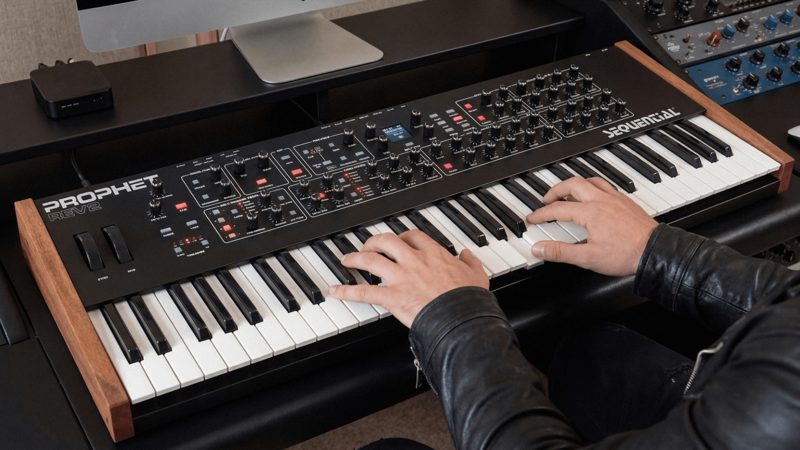
For multi-content packs (with dedicated folders like bass loops, synth loops, drum loops and so on), I work folder by folder. Drums come first – one-shots, then drum loops – and I build on top of those with basslines, synths and other melodic content until everything sits together. Some days inspiration just flows; other days I'm better off cleaning the studio, haha.
How has your pack-making process changed over time, if at all?
Honestly, only a little has changed, and it mostly comes down to process management – working smarter to get output faster. One rule I've set for myself over the years is to step away from an idea or a particular stage if I feel I'm getting nowhere, and to give each job a set time window.
In a creative world you don't want to rush things, and this isn't rushing – it's giving myself permission to move on and come back later. Inspiration is tricky; it tends to show up when you're not locked in and forcing it. As I mentioned, I have a hard time finishing tracks because I struggle to fully commit, so this is my failsafe: stop, work on something else, and get past the moment.
Did certain packs do better than you expected? Any surprises from your audience?
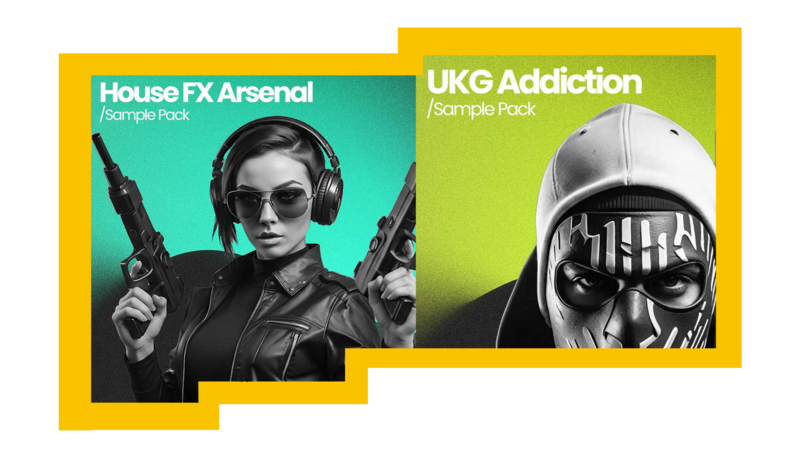
I always thought I had a sixth sense for which packs would do well and which wouldn't – but lately I've been proven wrong. Some of the ones I didn't think much of ended up making real waves. That's what happens when your own taste gets in the way of what the audience actually wants. Lesson learned: I'll keep pushing out the original, inspiring content they're really after.