


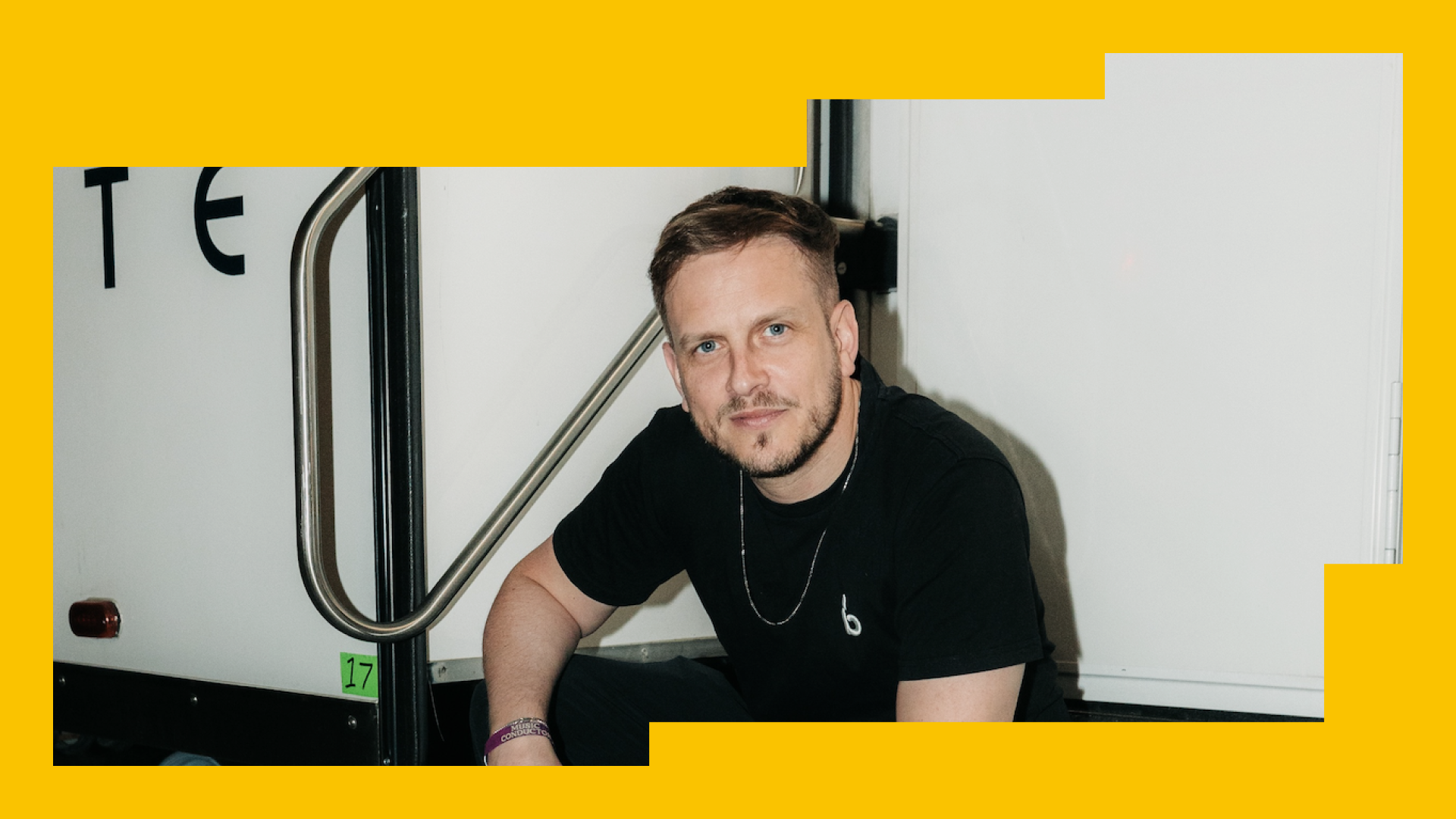
Ilan Bluestone Explains Why Too Many Samples Can Slow Producers Down
Ilan Bluestone explains how Loopcloud helps him find samples fast, limit choices, organize ideas, and finish more music with less second guessing now.
Ilan Bluestone is entering a busy period, and his attention is split between revisiting recent work and preparing the music that comes next. An Ignite remix package is on the way following the album’s release last year, while a completed remix for Darude and an upcoming collaboration with Giuseppe Ottaviani continue that release run while at the same time, he is also writing with a far clearer sense of control around how future records reach listeners, which makes this current phase an important step in how he plans to manage his music moving forward.
That same level of focus shapes how Bluestone approaches sample selection, because he treats quick decisions and clear limits as part of the writing process, much like Nihil Young does. He listens for emotional pull and character within the opening seconds, then commits once a small set of useful sounds is in place. Loopcloud supports that workflow from start to finish by letting him quickly search for and audition material, so every time he's in his DAW, he's focused on developing the idea rather than browsing through an oversized library.
In the interview below, Bluestone explains why too many options can slow producers down and how the delete button helps protect the main idea. He also discusses the emotional foundation behind Stoneblue, in which the faster trance begins with melody before sharper drums and rolling basslines enter the arrangement. With new Elysian material underway alongside Emma Hewitt and Maor Levi, plus ABGT700 at The Gorge approaching, Bluestone is balancing a full release schedule with a studio process built around limits, commitment, and finishing music.

What makes you stop on a sample within the first few seconds instead of skipping past it?
If it connects with me emotionally, I go with it. I can usually tell within the first couple of seconds whether a sound has real character or whether it is something I have heard a hundred times before.
I am not looking for something that is already perfect. I am listening for emotion or texture that immediately gives me an idea. The delete button is also one of my most useful tools in the studio, so producers should feel comfortable letting ideas go. Starting again can sometimes lead to the right record, and adding too much can take you away from the element that made the first idea effective.
Why do you think sample selection is one of the places where newer producers lose the most time?
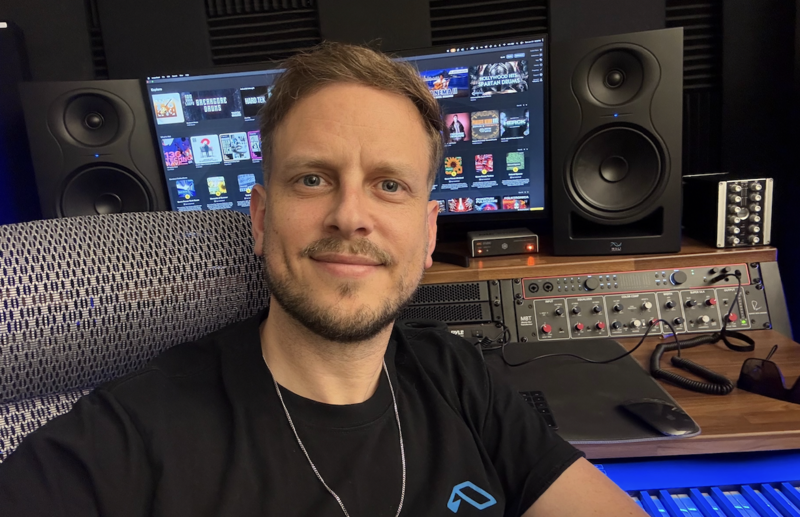
I think having too many samples can make you less creative. You can get stuck searching because nothing feels good enough, and you become convinced that a better option is hidden somewhere else.
The best producers I know can make excellent records with fairly small libraries because they know what they need. Work with what you have and commit to your decisions. When an idea is clearly going nowhere, delete it and start again.
What kinds of sounds immediately tell you, “This belongs in a Stoneblue idea”?

For me, it is about emotion at a faster tempo. Stoneblue focuses on giving emotional trance records extra energy rather than making something aggressive for the sake of it.
I often start with a simple melody, and I allow the rest of the record to develop around it. I then add rolling basslines and sharper drums, while darker textures help increase the intensity. I always think artistically first instead of trying to make a record that stays loud from beginning to end.
What would you tell a producer who has thousands of samples saved and still feels unable to find the right one?
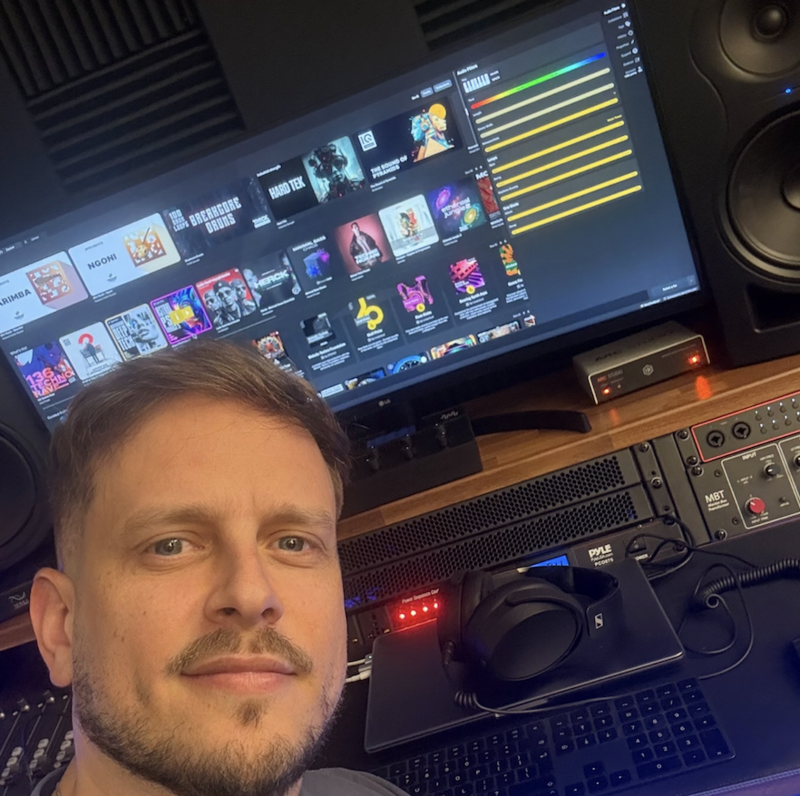
Stick with the sounds you already know work for you. Instead of trying to make music every day, set aside one day to organize your sample library properly so you know where everything is.
Build a small collection of trusted sounds rather than continually searching for new material. Once that foundation is in place, limit yourself to those sounds and commit to your choices. You will spend less time searching for the perfect sample, and you will have additional time available for finishing music.
How has Loopcloud helped you work faster in the studio, find ideas, organize your library, or make decisions with less second-guessing?
I mainly use Loopcloud for inspiration. At the beginning of a session, I search until I have found around five to ten sounds that fit the direction I have in mind, and then I stop looking completely.
From that point, the focus shifts to making music rather than browsing samples. I can audition everything quickly and continue working without interruption, which also helps me avoid questioning every decision. Limiting my choices has helped me finish records faster because I spend my time writing instead of searching.
Wrapping Up Our Chat With Ilan Bluestone

The clearest takeaway from our conversation with Ilan Bluestone is that sample selection needs a defined stopping point. A larger library can appear useful, yet it can also create long sessions where each choice feels temporary because another option remains available. Bluestone avoids that problem by selecting a small group of sounds at the beginning of a session, then closing the search and committing to the music already in front of him.
Loopcloud supports that process by giving producers a faster way to search and audition samples from one organized system. Users can narrow results by musical key and tempo, then test sounds alongside the project before downloading them. For producers who spend too much time moving between folders or questioning each choice, Loopcloud can reduce the search process and make it easier to return to writing and finishing music.
Keep Ideas Moving
Try Loopcloud free for 14 days. Cancel anytime.

Import your existing sounds · Works with your existing DAW · Setup in under 2 minutes