

Blog
RTIK Shares Seven Sample Selection Tips for Artists Making Electronica
3 Jul '2026
RTIK shares practical sample selection tips and explains how Loopcloud helps producers organize libraries, trust their ears, and work faster in music.

RTIK’s new EP, The Things That Remain, says a lot about how he works before you even get into his tips on sample selection. The Italian producer has always been careful about what he adds to a track, and across these three records, you can hear that he is willing to leave space alone when the idea already has what it needs. Every last detail feels intentional and considered, and nothing sounds like it was added simply to make the tracks feel busier (which can be hard to pull off in a genre that thrives on these very details).
That way of working carries straight into how RTIK chooses samples. He never sees sample selection as a quick technical step that happens before the real work begins, because just a single wrong kick or percussion loop can create tons more problems that no amount of processing will fully solve. A large part of getting better comes down to training your ears, trusting what you like, and learning when a sound belongs on the track rather than forcing it in, which Solardo echoed in their interview a few weeks ago.
Loopcloud has helped him speed up that process by organizing a large library and bringing back into view old files, including samples he had owned for years without ever hearing properly. It also gives him room to search outside the obvious genre folders, which matters for a producer who pulls ideas from music far outside the style he is currently making. In the tips below, RTIK breaks down how he searches, how he organizes his library, and why a smaller group of trusted sounds can often get you to a finished track faster.
RTIK's Tips For Choosing Samples In Electronica
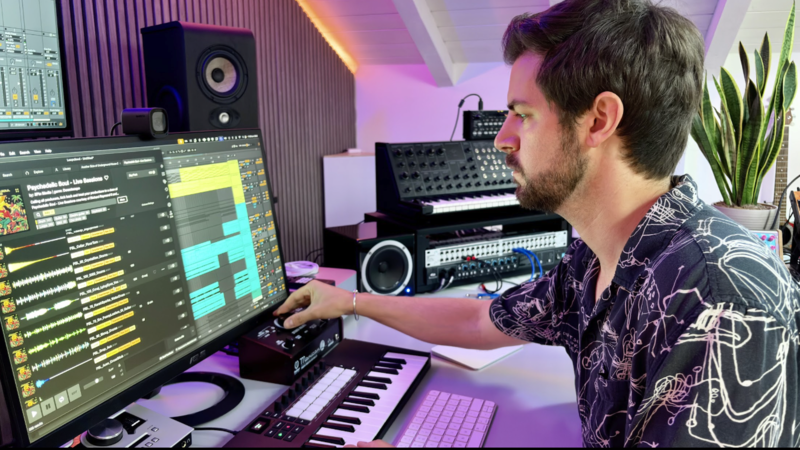
Train Your Ears
Developing a reliable ear for sample selection takes years of practice, experimentation, and trial and error. Over time, I have learned that the quality of the final mix depends heavily on the samples you choose and the recording quality of any external instruments.
Learning to recognize a useful kick or snare and knowing when a sample does not belong in a track comes with experience. When a kick does not sit naturally in the mix, the problem is often the sample itself rather than a lack of layering or processing. In that case, it usually makes sense to keep searching.
Some samples sound excellent on their own and fail completely within a specific track. Learning to hear that difference takes time.
Trust Your Taste
Sample selection plays a major role in your identity as a producer. I have always tried to draw inspiration from styles far removed from the music I make, and I do not believe producers need to place strict boundaries around what they listen to or use.
Pulling ideas from unexpected sources can help you build music that feels personal. Loopcloud helps with this because I can keep multiple tabs open and follow different searches at the same time. Unexpected results often come from trying something that would normally fall outside the obvious choice. When your instincts tell you to test a sound, try it, and move on when it does not fit.

Do Not Force It
Some days, nothing feels right, and that is normal. There is little value in spending hours downloading samples that you are only partly convinced by, so it can be better to revisit sounds you already own and have not used.
Building a personal library of sounds that still interest you after repeated listening makes the writing process faster and easier. A focused collection also gives you a clearer starting point when a new idea begins to take shape.
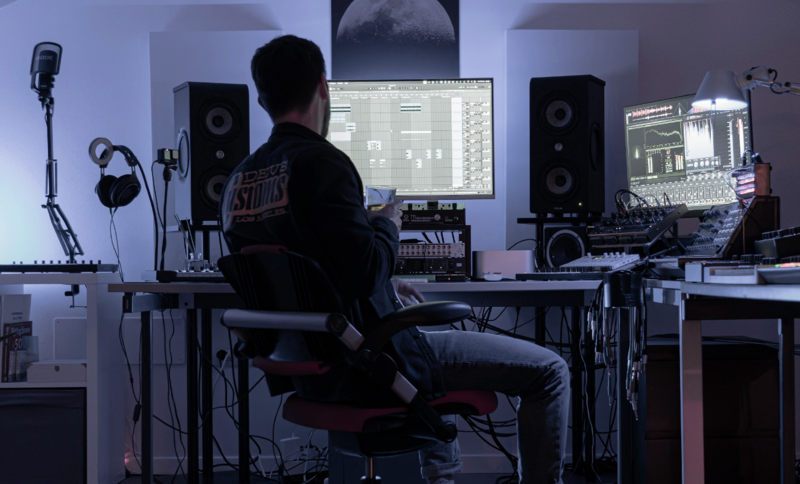
Search Across Different Sources
Using different platforms and sources increases your chances of finding something useful. I use several services to discover samples, and each one offers a different way to search for and organize material.
You should also create your own samples. Record sounds around your home, capture material while travelling, or save something unusual that you hear outside. Older videos, films, and personal recordings can also become useful source material after enough processing.
Some of the most personal sounds come from material that was never intended for music production in the first place.
Organize Your Library
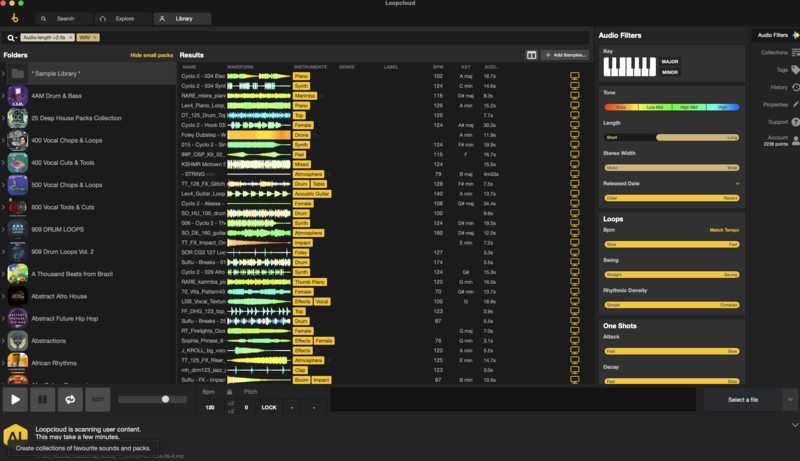
A well-organized sample library helps you work faster because you spend less time searching when an idea appears.
Choose a system that makes sense for the way you work. I organize folders by genre or pack type, which makes it easier to find sounds that fit the track in front of me. Tools such as Loopcloud and XLN Audio XO can also make large libraries easier to browse. Some of my favourite samples from the past year appeared after Loopcloud organized my full library. It brought up files I had owned for close to a decade without hearing properly.
Keeping a dedicated folder of trusted samples can save even more time. Starting with familiar material lets you focus on the idea, and you can replace sounds later when the track needs something different.
Do Not Overthink It
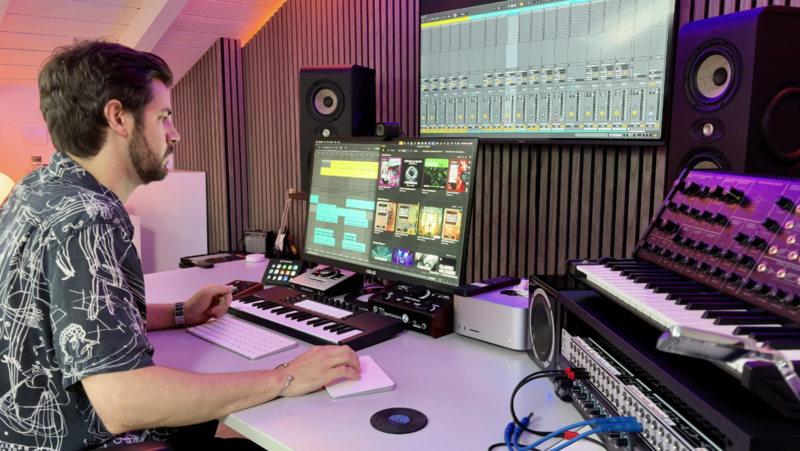
When a sample works, use it.
I can be overly critical about using samples because part of me feels that I should create every element myself. In the end, the finished result matters, and there is little value in rebuilding a sound that already fits the track.
I do not use melody loops straight from the pack because writing melodies and designing synth sounds are the parts of production I enjoy most. When a percussion loop, vocal, or atmospheric texture fits perfectly, I see no reason to spend days recreating it. Listeners respond to the finished music rather than the method used to make each individual sound. Your decisions and how you combine your tools define the final result.
Use Fewer Samples
Access to millions of samples can create option paralysis. You do not need endless folders or thousands of kicks to make good music.
A small group of high-quality sounds that you know well will often take you further than a large collection you barely understand. Learn your favourite packs, keep a folder of trusted material, and spend more time making music than searching for it.
The size of the library matters far less than the producer’s taste and decision-making.
Final Thoughts on Sample Selection With RTIK
The main takeaway from RTIK’s advice is that better sample selection comes from better listening and a clearer system. Producers often lose time because they collect too much, search without a clear goal, or try to force the wrong sound into a track with extra processing. Training your ears helps you recognize when a sample fits, while keeping a smaller folder of trusted sounds gives you a reliable starting point when a new idea comes together.
Loopcloud can help solve that problem by consolidating local files and new samples into a single searchable library, making older material easier to find and reducing the need to switch between folders or platforms. Producers can narrow a search by key, tempo, genre, and instrument, then audition sounds against the project before committing to a download.
That gives you a practical way to keep your library organized, follow unexpected ideas as they arise, and spend less time during the session searching for samples that may already be sitting on your hard drive.