



Father Funk On Sample Choice, Live Instruments, And Funk The System
Father Funk explains how Loopcloud helps him choose, edit, and organize samples while building bass-heavy tracks from Funk The System and older ideas.
Press Photos Courtesy Of @michalstraz
Father Funk’s new album, Funk The System, is closely tied to the way he plays and uses real instruments within his uniquely sounding electronic production. The UK-bred, Vancouver-based producer plays guitar, bass, drums, and trombone, which gives him a very precise, taste-based filter for judging samples before they even hit his DAW in his sessions. He is listening for live-instrument tone and arrangement role before he decides whether a sound gives him enough room for his own processing.
That background is an important context for this across the album. Funk The System pulls from funk, hip-hop, dubstep, and drum & bass while keeping a clear link to his time in punk and ska bands. For Father Funk, sample choice comes down to material that can handle editing, layering, clipping, and saturation while still leaving space for personality in the final production (not dissimilar to what Ilan Bluestone commented on recently as well).
Loopcloud, which you can try completely free for two weeks, gives this conversation a practical center, as Father Funk treats sample searching as a speed tool rather than a replacement for taste. His process is built around quick judgment, fast rejection, and a small group of trusted sounds that he can return to across projects. In this interview, he explains how musicianship affects sample choice, how he keeps edited material feeling personal, and why producers should spend less time scrolling once the track already has enough to move forward.
You play guitar, bass, drums, and trombone. How does that affect the way you judge samples?
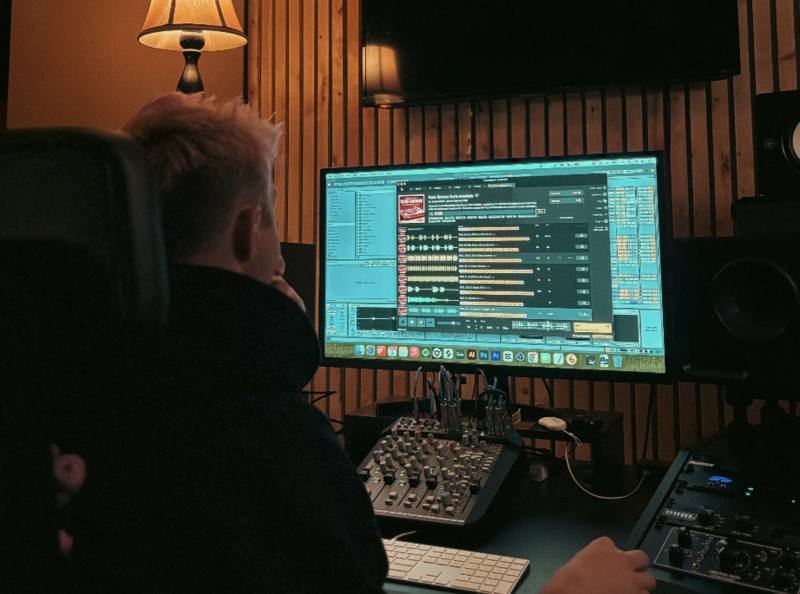
I definitely think it makes me more picky when it comes to live instruments. I’m always looking for sounds that have soul and character rather than anything too clean or digital sounding.
It’s also made me a good arranger. It’s important to know the difference between sounds that are going to sit front and center and sounds that are there to support the main sounds. Playing instruments definitely helps with that.
How do you make sure a sample still feels like you after editing, pitching, chopping, or processing it?
Honestly, I find it hard to not sound like me, and I’ve tried. That said, I generally don’t like any samples that are too processed, so I have plenty of room to leave my stamp on them. I’m still using a lot of the same packs I picked up over 10 years ago. I also have a lot of go-to plugins that I use frequently. Glue Compressor is my compressor of choice, I use StandardClip on everything, and I love Decapitator on basses.
On Funk The System, were there any samples that changed the direction of a track?
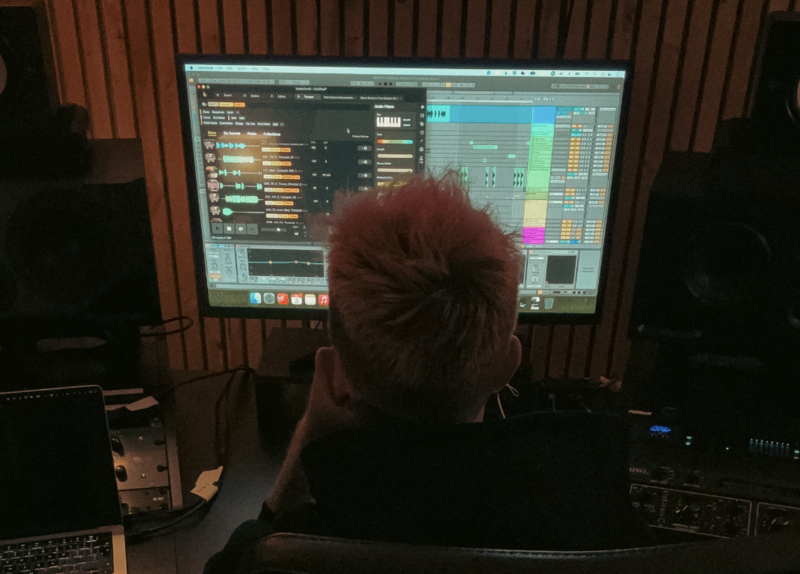
I would say that “Baby Talk” is probably the one that was most defined by a single sample. The main bass is a talkbox sample that I processed and layered with a sub.
Also, “Lights Out” is a pretty old track, and when I dusted it off for this album, I ended up redoing all the drums, which completely changed the feel. They really pop in the final version. There’s also a cool strings sample that bridges between the end of “2010 Was Tight” and “Lights Out,” which really helped with the flow of the album.
When you are searching through Loopcloud, what helps you move faster without picking sounds too quickly?

I think it’s one of those things you develop over time. I have a pretty good ear for what works and what doesn’t at this point. I’m also quick to ditch a sound and try something new if it does not work, which is equally important. If you’re having to spend a long time tweaking a sound, it probably was not the right one in the first place.
What is the most common mistake producers make when choosing samples?
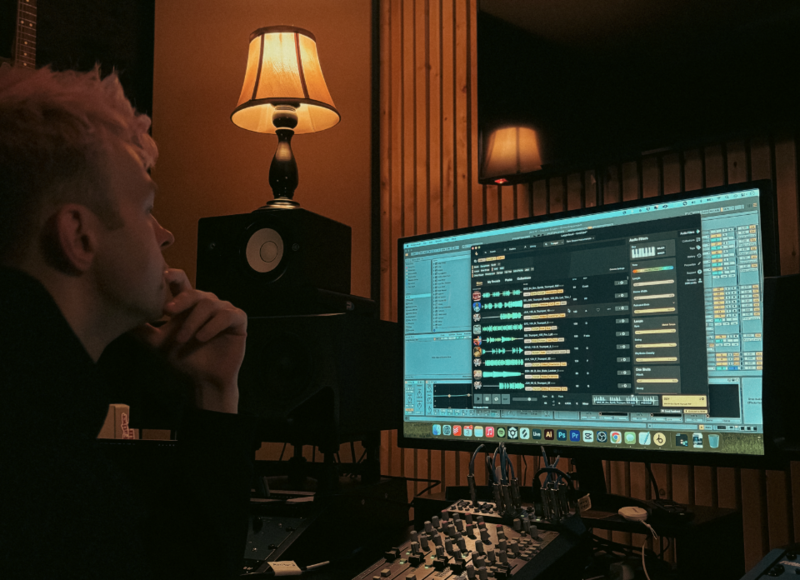
I think a lot of people are not choosing the right tool for the job. It’s a lot easier these days with tools like Loopcloud, yet you still need to be wary of things like the length or key of a sample. For example, drum & bass kicks and snares are much shorter and higher in pitch than dubstep or house kicks. Even more established producers seem to get that wrong.
It’s also so easy to find great samples and presets nowadays that a lot of people end up sounding the same. I think it’s important to find your own sound by digging a little deeper and taking inspiration from other genres.
When you are building heavier bass sections, what do you need from the drums around them?
I’m always looking for big-sounding drums with nice, snappy transients. I’m also pretty specific about things being in key, so I like using kick and snare samples that are in the same key as the track.
I’m also definitely trying to give my drums a live feel, so I’ll often use break rhythms and live drum sounds layered with the more digital-sounding material, so everything feels a bit more real. That’s also why I end up using a lot of clipping and saturation on my drums. It makes things feel much more alive.
What would you tell a producer who keeps scrolling for the perfect sample instead of finishing the track?
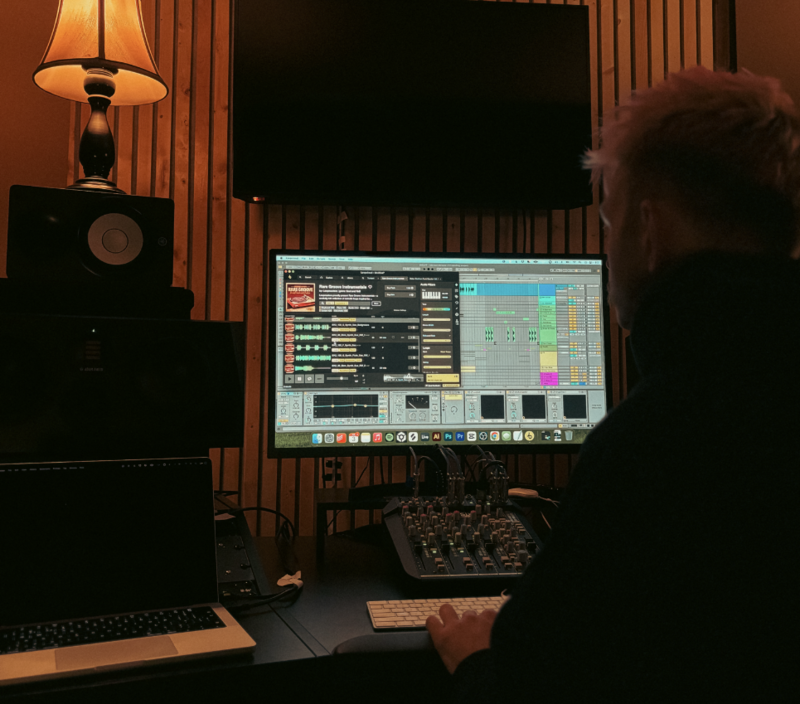
Find a handful of packs from different genres that work for you and use them for everything. You do not need to reinvent the wheel each time you make a drum loop, and only you are going to pick that specific combination of sounds. If you’re searching for “dubstep snare” each time you make a dubstep song, you’re going to sound like everyone else.
I also recommend bouncing out hits and loops from old projects. You can build your own signature sample pack and save yourself a ton of time that way. It’s also a great way to make use of old unfinished projects. If you did all that work on a song you did not finish, why not use those sounds to make something new?
Wrapping Up Our Conversation With Father Funk

The main takeaway in Father Funk’s conversation is that speed only helps when taste is already doing most of your heavy lifting. He is quick to reject sounds that require too much fixing, and he treats older sessions and trusted packs as part of his identity as a producer and that's an incredibly important lesson to keep in mind because that approach keeps the focus on arrangement, feel, and finish rather than endless searching.
That is where Loopcloud becomes a fantastic solution to the exact problem producers hit all the time in the studio. Search tools, key context, and in-session auditioning can help producers move faster without handing over the decision-making process. For producers working with heavier bass music, live-instrument samples, and genre crossover ideas, that balance matters because the right sample should support the track quickly and still leave room for the producer’s own choices.
Keep Ideas Moving
Try Loopcloud free for 14 days. Cancel anytime.

Import your existing sounds · Works with your existing DAW · Setup in under 2 minutes