

Blog
How Producers Found Sounds Before Sample Browsing Apps
25 Jul '2026
From record shops to CD-ROMs, this is how producers built their sample collections before the cloud; one break, stab or strange sound effect at a time.
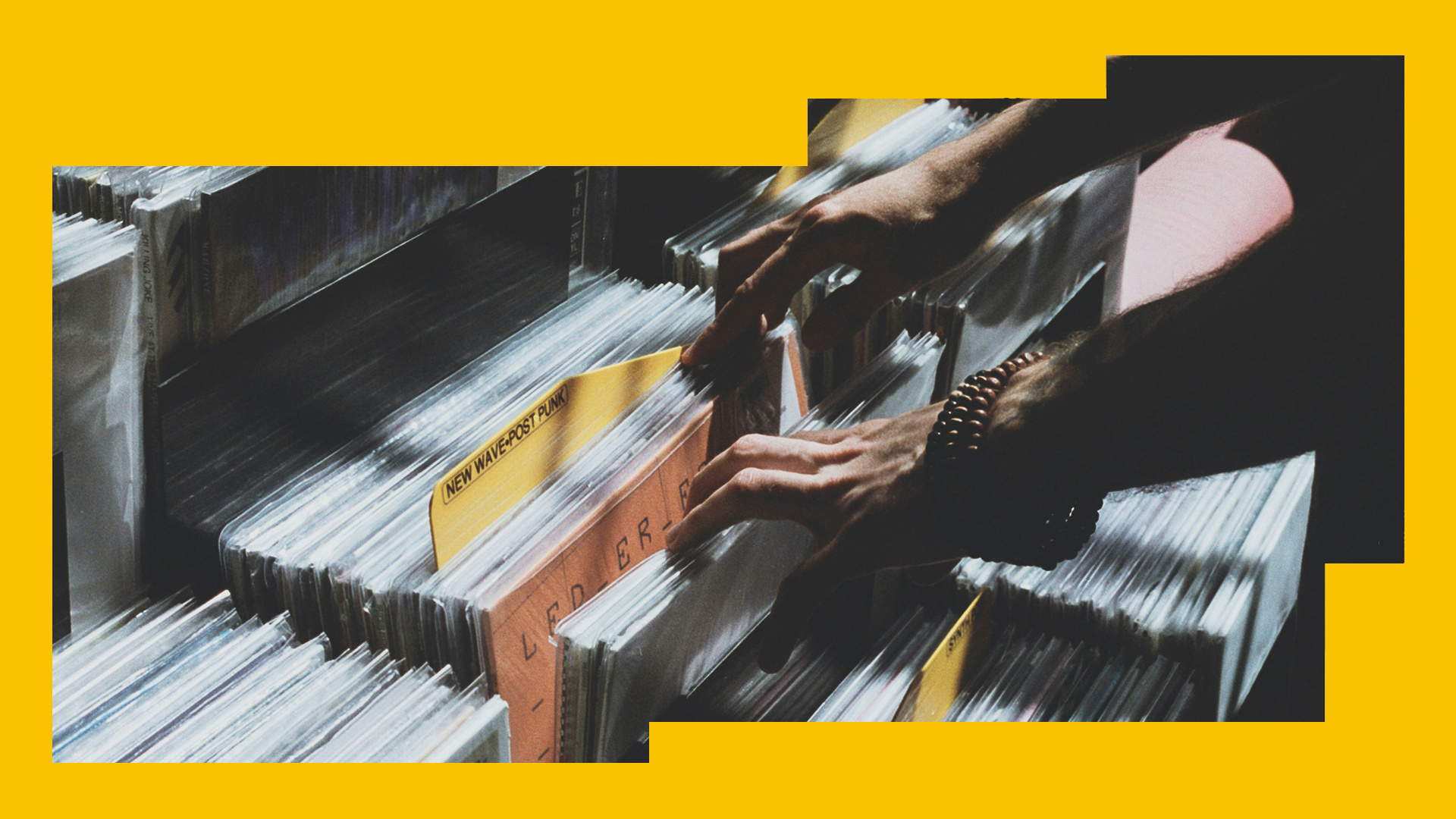
HEADER IMAGE Photo by Florencia Viadana on Unsplash
In today's world, finding great samples can be as quick as a simple search, setting a BPM, previewing in key and dragging the right sound straight into your DAW. Apps like Loopcloud have revolutionised sample discovery into something fast, searchable and practical for the modern producer.
Before sample browsing apps came around, finding sounds was a slower, stranger and more hands-on process that required careful attention to detail and plenty of patience. Early sample-based producers would build a sonic identity through their local record shops, hardware samplers, CDs from magazines, personal recordings or whatever they could get their hands on.
Before the cloud changed everything, a huge part of the craft was the process of finding the right sounds. We’re going to dig into the methods our production predecessors used, showing you just how far the landscape has come.
The Original Search Engine: Crate Digging
Long before samples came neatly tagged, before you had every instrument, break or effect at your fingertips, before searching relied on machine-learning algorithms; producers would search for material out in the physical world. Crate digging mostly took place in record shops, charity shops, flea markets, car boot sales and the basement or loft of some old collector.
The best and worst part of searching through records is the capacity to find anything from a bunch of hidden gems to absolutely nothing, and typically the samples you’d search for wouldn’t have anything to do with a track you were already writing. Looking for anything truly specific was hopeless and so producers would follow their heart, certainly judging records by their cover and digging deep to find that one clean break in the midst of a long-forgotten soul record’s B side.
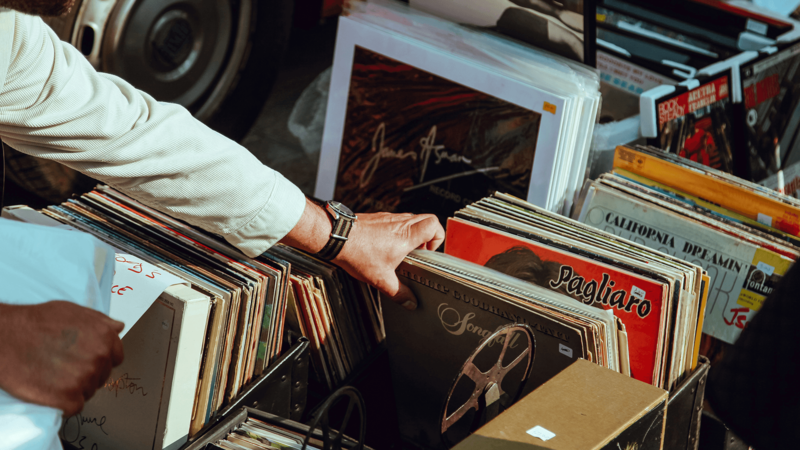
Credit: Clem Onojeghuo
In the beginning, early sampling producers making hip-hop or house would build tracks from jazzy breaks, funk intros, soul B-sides, international pressings or library music. As times progressed, the ability to manipulate the samples became easier and the scope for “usable” samples grew larger. Producers would learn which session players, labels, or instruments listed might contain gold. Sometimes there’d be no opportunity to listen to the record, and certainly producers wouldn’t be able to preview the waveform or instantly search for similar sounds. You simply took the record home, dropped the needle and hoped for the best.
The main upside to crate digging was the characterful music it produced. Each producer had a different collection from the next; their taste, location and curiosity would be reflected right back at them through their own sound.
Encouraging Commitment: Sampling Hardware
Samplers became a modern standard throughout the 80s and 90s, with producers building sample libraries from anything they could feed into their samplers. Classic hardware samplers like the AKAI MPC or Roland SP-1200 and SP-404 shaped a new sound of sampling through an abundance of new manipulation techniques.
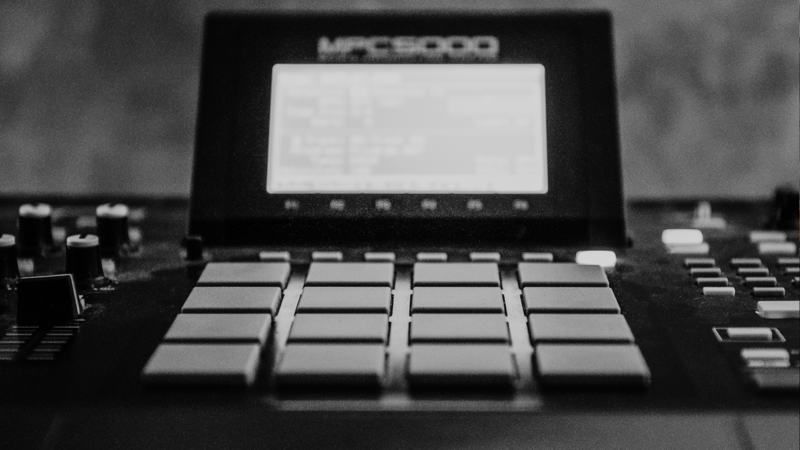
Credit: Yianni Mathioudakis
With limited memory and often not many samples to choose from, sampling became more about committing to a sound and making it work rather than scrolling through thousands of alternatives. If you could turn a tiny snippet of audio into a full beat, you would.
Pitch shifting, an increasing number of digital instruments and workstations like the aforementioned sampling units saw producers move away from sampling tiny snippets of records into a new realm. Often, producers would resample one sound that was available on a machine they owned, borrowed or found in studios in order to make unique versions of a widely available sound. These days, modern samplers are on a whole new level.
Early Sample Packs
In the 90s and 2000s, music technology magazines were a big gateway for new producers to enter the community. Sample culture was already in full swing and publications knew that delivering magazines with cover CDs that were loaded with samples could be a major resource for bedroom producers who couldn’t access expensive hardware or obscure records.
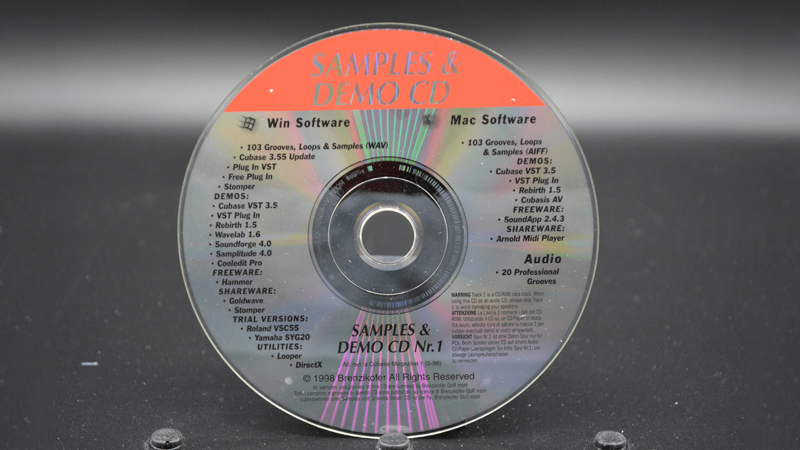
Brands started to release genre-specific libraries, often attached to these magazines. They would usually come as a CD, CD-ROM and later DVDs, with folders of specifically organized samples ready to use. This workflow was still far from the modern age of cloud-based sample browsing apps, typically involving auditioning on basic media players, manually importing sounds with minimal metadata and poor tagging.
This technology opened a lot of doors for a whole generation of producers. A few solid sample CDs could become the base of your sample library, even defining the sound of new genres at their peak.
Swapping Sounds: Forums, Drives and Networks
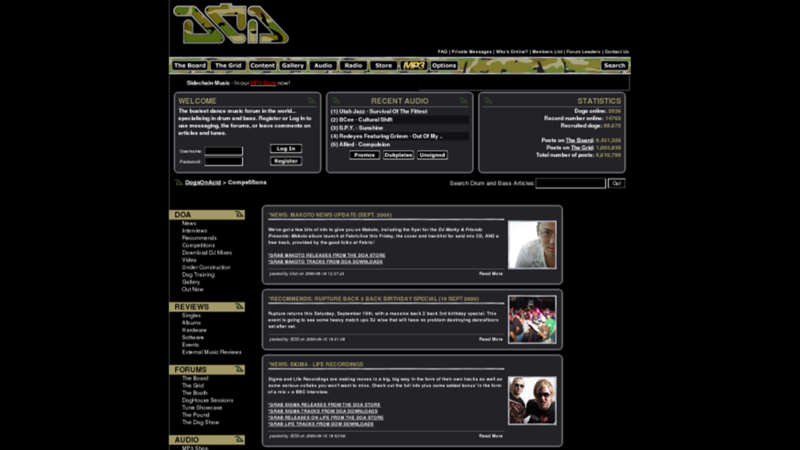
Around the same time, small communities of likeminded producers were gathering, either on early internet forums or through local communities. Friends would upload sought-after samples to forums, friends would trade external hard drives, USB sticks or CDs and studio engineers would collect private libraries. Message boards, IRC channels and early file-sharing networks became central hubs for producers who were too late to fully immerse in a crate digging workflow and too early for cloud-based sample browsing applications.
Credit: Jayflux
Exchanging samples in this way was often messy and sometimes illegal. With files duplicated endlessly, the original source of sounds became distant and hard to find. These informal networks helped develop new scenes, giving birth and new light to genres like Jungle, Grime, Hip-Hop, Dubstep and House. Sharing a sonic vocabulary moved the artistic process away from digging for hidden gems towards the careful art of putting a known sample in an unknown context.
Folder Flicking: The Early DAW Era
As personal computers became central to music production, sample libraries exploded into a whole new market. Producers began collecting huge folders of samples from a massive number of different sources.
The biggest problem with this was finding something you actually wanted to use. Producers relied on operating system folders, early DAW browsers and their own memory to recall that perfect sample.
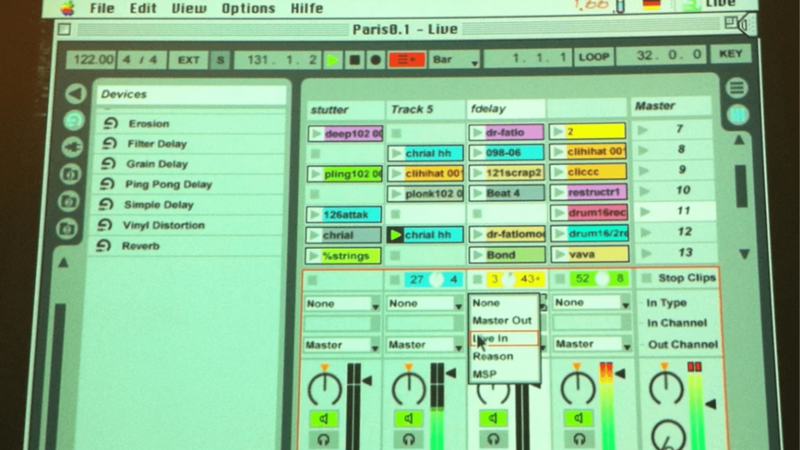
As before, this era of sample searching was painful at best, with plenty of sounds but no quick way of auditioning through them. Previewing in key or tempo was awkward and sometimes impossible to figure out. Tagging was manual and taking samples between machines was a lost cause. As libraries became bigger and bigger, producers had an increasing need for a better way to search through them.
How Sample Browsing Apps Changed the Game
Desktop sample browsing apps didn’t reinvent the wheel, they simply changed the speed and method of discovery. Allowing users to search by instrument, genre or BPM, auditioning loops in real time, DAW synchrony or accessing new material without breaking a flow state is a world that producers who came from these older workflows consider a dream.
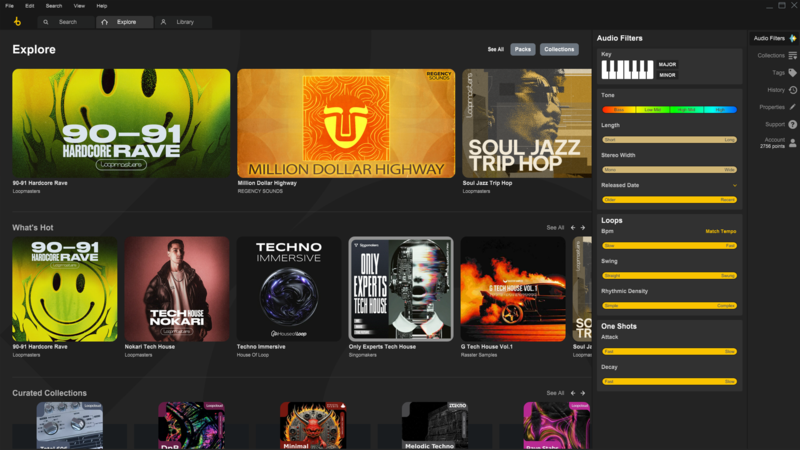
Old methods were rich, tactile and deeply creative but they often lacked the speed and accessibility required for the kind of production we see in the modern day. Finding sounds the old way could take hours or days before a track even began.
Still, the spirit of the old approaches remains useful. The best modern producers develop taste and listen for potential in sounds, reshaping what they find into an unexpected context, building a sonic identity from the choices they make, no matter their approach.
The tools might have changed, but the goal is the same: find sounds that spark great ideas and then make them your own.