

Blog
How Mitch Oliver Finds Samples That Add Character Without Taking Over
21 Jul '2026
Mitch Oliver explains how Loopcloud helps him find vocals, textures, and subtle samples for SLAPPED Records and the new À Fleur de Son VA.
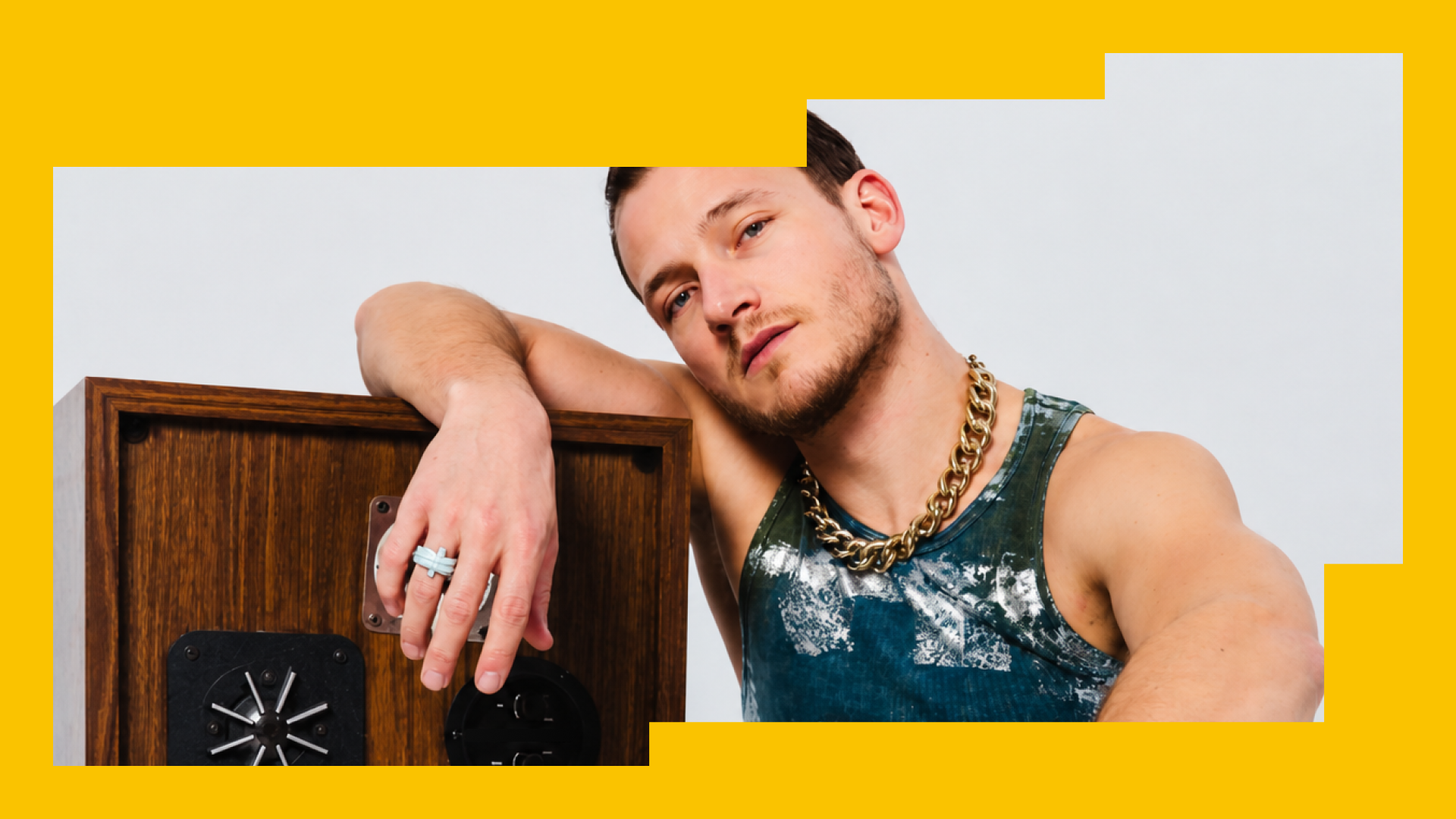
Mitch Oliver’s SLAPPED Records has been moving at a fast clip this summer, and À Fleur de Son gives that run a clear label snapshot of what they're doing. The Montréal imprint’s new seven-track VA brings together Borak, FREEEMAN, Hi Milio, Manu (CA) and Peter Damian, DUZA, plv, and TheClaw, with each track leaning into refined club function instead of oversized drops or obvious peak-time pressure. It feels lined up with the label’s broader lane: detailed house music built for DJs who care about pacing in their tracks and sets, the mood the music evokes, and the smaller decisions that keep a set moving.
That focus also says a lot about how Oliver thinks about samples. Similar to how Huxley moves in the studio, Mithc Oliver gravitates toward vocals first, especially small chops that can set off a full idea, then looks for imperfect, acoustic, or live-sounding material that can cut against heavily produced electronic elements, and for him, character often comes from a sound that feels slightly odd yet familiar enough to sit within a track, and the real work starts once that source audio is shaped, edited, tucked back, or pushed forward.
Loopcloud slots so easily into that process by giving Oliver a fast way to capture ideas before they disappear. Sometimes a sample works for the current project, and sometimes it belongs in a different folder for a track that has not yet been written. In our discussion below, Mitch Oliver first breaks down what he listens for, why background textures can carry a record's mood, and how better sample choices can help producers build subtle progression without overcrowding the arrangement. So let's get into it.
When you first open a sample folder, what are you listening for before anything else?

Vocals, most definitely. When I started making music, I was all about organic, instrumental house, and I did not really play vocal tracks. I have evolved into loving anything involving groovy and subtle house vocals. Even a small vocal chop can really inspire me.
The next thing would be samples that sound imperfect, acoustic, or live. Those kinds of instruments create a nice contrast when blended with heavily produced electronic music, and I think they help keep the music feeling fresh and distinct.
À Fleur de Son is built around restraint and detail. When you are digging through samples, what tells you something has enough character without taking over the track?
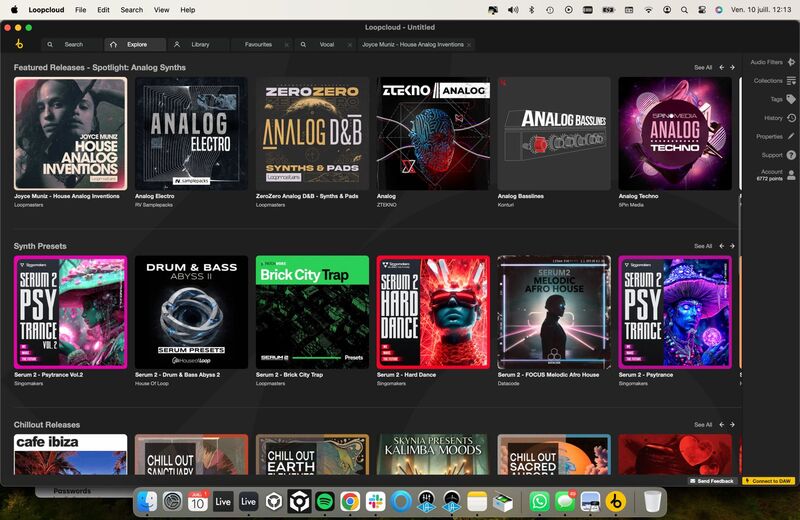
The source sample has character to me when it sounds odd, different, and like something you have never really heard before, yet still has a sense of familiarity to it.
That being said, I think the trick is remembering that a sample is a source of audio that can then be manipulated, shifted, and twisted in many ways. What really matters is how you use it in your productions.
Why do some samples work better tucked back in the arrangement instead of placed up front?
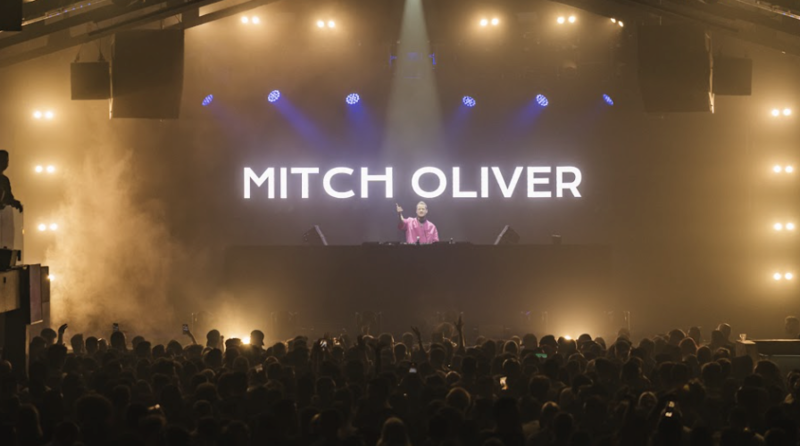
The samples that are tucked back in the arrangement are just as important as the ones up front, especially when it comes to creating a mood and setting for the track.
I always say that when you press play on a tune for the first time and close your eyes, if you instantly feel like you are being placed inside its own space, then the track is really affecting you. A lot of that has to do with the atmospheric samples sitting in the back of the mix. It is similar to background audio in a film scene. If you remove it, the scene loses its sense of time and place.
What makes a sample such a good fit for the kind of subtle progression heard across À Fleur de Son?
That is a tricky one because each song on À Fleur de Son is very particular and different. I think the samples that work best are the ones that do not take up the full space of the song and instead add character and flair to it.
Like I mentioned earlier, I think it depends on whether the sample is being used as a lead or as part of the background setting. Either way, for these kinds of tunes, the samples need to be subtle and used with restraint to be effective.
When you are searching Loopcloud, what makes you stop and save a sound for later?
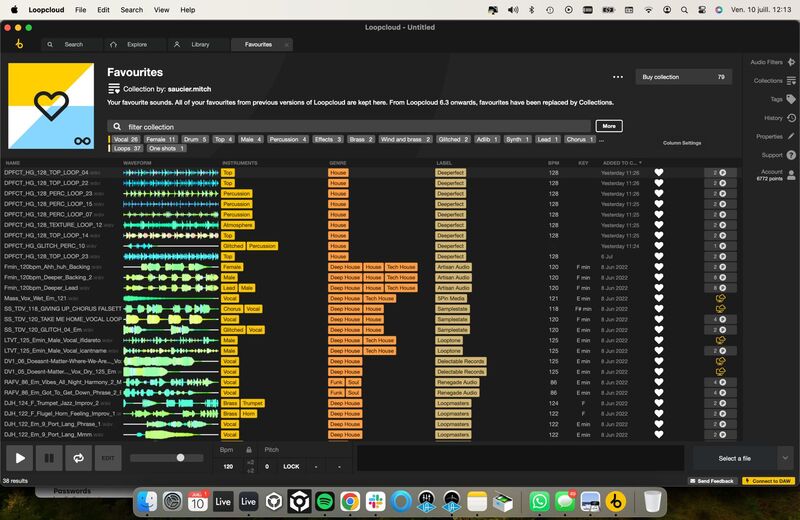
It can be a lot of things. If I save something for later, it is mostly because the sample does not fit the current project I am working on, though after a few seconds of listening, it inspires me to write a new song around it. Sometimes it also instantly makes me think of another project I am currently working on.
Back in early 2018, I was producing music with almost no sample usage. Over the years, I gradually incorporated additional audio samples into my workflow. It speeds up my creative process and can lead to unexpected results.
How often does the first sample that starts a track survive all the way to the final version?

I would say it used to almost never survive all the way to the final version, though now it almost always does. I think that is because my ear is much better trained now. I know exactly what I am looking for much earlier in the process, and I make sure the samples I choose are really making a difference in the song.
Of course, if a sample sits at the front of the mix, it is usually because it is the main lead or hook of the tune, so it will most likely stay. As for drums, most of the drum loops I use at the beginning of a project also carry me through to the end of the production process. Background textures are probably 50/50. As additional ideas come in and the track gets busier, I always do a round of removing anything unnecessary. If a texture no longer adds the setting I was looking for in the first place, it usually gets deleted.
Final Thoughts on Sample Selection With Mitch Oliver
The clearest takeaway from Mitch Oliver’s approach is that sample selection is rarely about finding the loudest or most obvious sound. It is about finding a source that gives the track a clear mood, then deciding whether that sound should lead the idea or sit behind it. That distinction is important to consider in club-focused house, where subtle changes in texture, vocal placement, and background detail can shape how a record moves through a longer mix.
Loopcloud can help solve that issue by giving producers a faster way to search, save, and return to sounds before the session gets scattered. Oliver’s process depends on catching ideas quickly, placing them in the right context, and keeping sounds around even when they belong to a future project rather than the one currently open. With Loopcloud, you can browse by style, instrument, key, and tempo, save material for later, and build a clearer library of sounds that support the records you actually want to finish. So give it a try completley for free for two weeks!