

Blog
How FIFI FORTE Finds Unexpected Sample Choices
23 Sep '2026
FIFI FORTE explains how Loopcloud sample searches shaped the vocal-led Gain My Trust EP and helped her develop the EP’s rolling tech house identity.

London-based DJ and producer FIFI FORTE makes her Diggin’ Records debut with Gain My Trust, a three-track EP grounded in rolling tech house and ’90s house references. The release follows work on Hottrax and Deeperfect, with additional records on Pakate and Libero. Her recent music has received DJ support from Jamie Jones and Dennis Cruz. Dates at Paradise events in Ibiza and London have placed the same club-focused style in front of international audiences.
The title track began with its vocal before the EP had a name or shared identity. FIFI wrote each track individually, and one short sample gave her enough information to start production. That order is central to her method, much like experimentation is to Aaron Suiss's: she judges a sample by whether it immediately suggests another element or a direction for the track. The EP identity became apparent later from decisions made within the individual records.
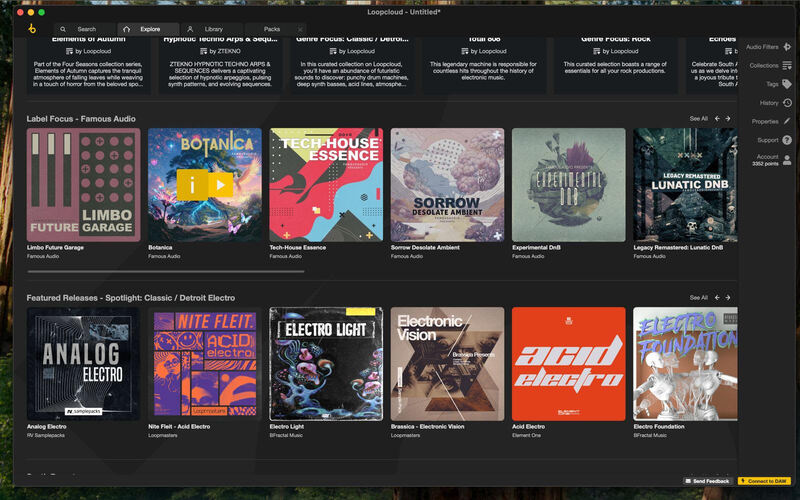
In our discussion with her, FIFI explains how taste guides sample selection before technical analysis, compares loops with defined character against simpler material that leaves additional room for processing, and she even discusses the favorites folder that keeps regular choices close and why searching new material can redirect a track. For FIFI, Loopcloud works best in the writing process because the right result gives her a specific next move, and you can tap into the same workflow completely for free by giving Loopcloud a try for free for 14 days right here.
When you began “Gain My Trust,” what kinds of samples were you searching for before the EP had a defined identity?

I found the vocal for “Gain My Trust” first, and it became the starting point for the entire track. Something about it immediately suggested the direction I wanted for the production.
I was writing each track individually at the time and had no planned EP identity. The shared character of the project became apparent afterward.
Sample selection is often treated as a technical decision, although taste usually decides the outcome. What tells you within a few seconds that a sound belongs in the track?
I can usually tell quickly. If I hear a sound and immediately imagine another element or a direction the track could take, that is normally a good indication.
I avoid overthinking the technical side during this early phase. Once one sound begins suggesting additional ideas and the writing continues easily, I know there is something worth developing.
Do you prefer loops with a defined identity or simpler material that leaves room for heavier processing?

Each type works for a different reason. Sometimes I hear something with a defined identity and immediately know how I can write my own elements around it or manipulate it to fit my sound.
Simpler material can give me greater freedom to experiment. I do not follow a fixed rule.
I choose whichever sample produces the first workable idea.
How organized is your personal sample collection, and what information helps you retrieve sounds quickly?
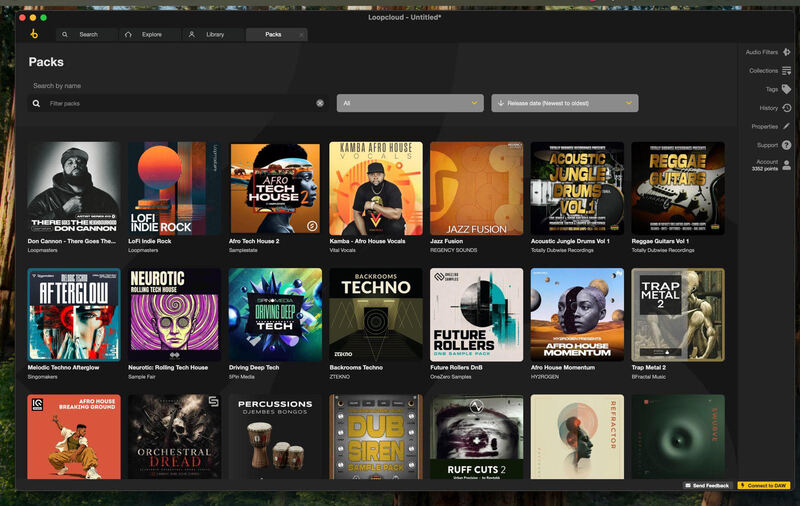
I keep it fairly simple. I have a folder containing favorite sample packs and sounds that I return to regularly.
I also keep a wider collection for times when I want a different result. I enjoy searching for new samples because one unexpected sound can redirect a track and keep the process engaging.
Which sample choice on “Gain My Trust” took the longest to settle, and why was it difficult to replace?

The vocal was the most important choice, and it was also one of the quickest. I found it early and connected with it immediately.
Once the vocal was in place, it gave the track a direction and established what everything else needed to support. Finding the surrounding sounds and groove took longer because they needed to preserve the quality that first drew me to the vocal.
Conclusion: So What's The Big Takeaway?
FIFI’s process separates importance from difficulty.
The vocal became the most important sample on “Gain My Trust,” yet choosing it took very little time. The demanding work followed as she searched for a groove and supporting sounds that preserved its character. A sample earns its place when it produces the next idea, and extended auditioning cannot replace that immediate response.
Loopcloud supports this method by letting producers compare material quickly and move between favorite packs and a wider catalog. A loop with a defined identity can offer an immediate direction just as much as a simpler sound may leave additional room for manipulation. FIFI decides which one serves the record by listening for what it suggests next, keeping the sample search connected to writing and ensuring the finished identity comes from her musical decisions.