



Leavv On Sample Choice, LoFi Production, And Knowing When To Stop Searching
Leavv explains how he finds, layers, and processes samples in Loopcloud while building lo-fi tracks with hip-hop, neo-soul, and bossa nova influences.
Leavv’s work is built around small production choices that add up quickly: sample texture, drum feel, harmonic pacing, and how much processing a sound needs before it belongs in the track, and that fact that he's one of the biggest LoFi producers in the space right now only further proves that whatever magic he's working in the studio is moving the needle. Those subtle and nuanced qualities in sample selection and texture are more important in LoFi than in any other genre because the production often depends on small details that can either support the mood or pull the listener out of it.
And for Leavv, the right sample seems to come down to one clear test: whether it gives him a solid next move that pushes the song forward as much as it does him as an artist.
That idea runs through “Spectral” and “Tropic Spin,” his two tracks on Chillhop Essentials Summer 2026. “Spectral” leans into 1990s hip-hop and neo-soul with a calmer tone, while “Tropic Spin” pulls from bossa nova through guitar, flute, syncopated drums, and softer rhythmic choices. The references differ, which changes what he looks for when searching, layering, and processing samples.
That makes Loopcloud a useful lens for this conversation, because the issue for producers is rarely access to sounds, even for those just starting out. The harder part is knowing what belongs in the project, what needs to be saved for later, which ones speed up your workflow so you finish more music faster, and when to stop the search entirely. In this interview, Leavv explains the first decision that makes a sample usable, then moves from reference points to mix choices and practical limits around sample searching. So let's dive into our chat with him.
When you start a new track, what usually tells you that a sample is worth building around, especially in a LoFi track like what you're best known for?

Whether I’m searching for a specific sound or I come across something by chance, there’s always that element of surprise, which I find important. I know I found something good when I immediately know what to do with it.
Often, I’ll find samples that sound great, yet they don’t fit what I have in mind in that moment. From there, it becomes a choice between restructuring the original idea around that sample or saving it for later, and there’s no wrong choice there.
What did you look for in the samples used on “Spectral” to support its calmer tone?
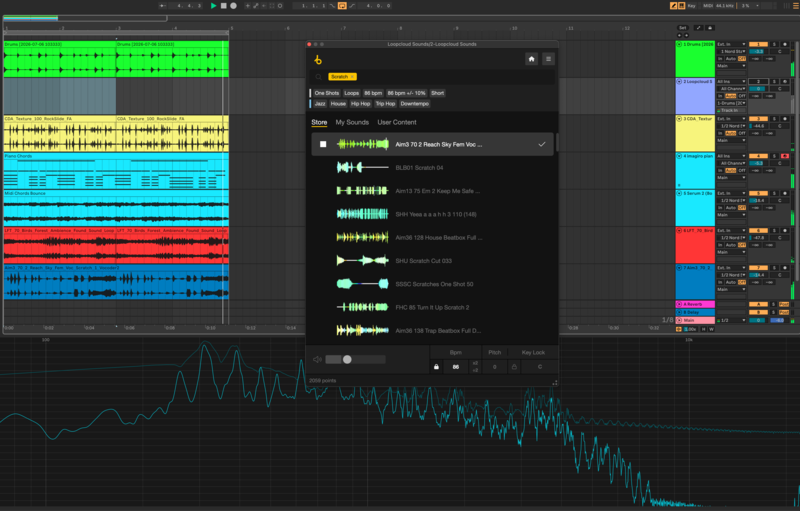
I wanted to have a contrast between bouncy drums and calm harmonies.
For the drums, I looked for elements to layer, like shaker loops, claps, wind chimes, snare brushes, and atmospheric foley samples. To add some flavor to the e-piano chords and airy synths, I chopped up a guitar sample and used degradation plugins to make it sound abstract. I love combining samples that make me imagine a specific scene, like a cafe or city park, with samples that almost feel out of place and a little odd on first listen.
“Spectral” draws from 1990s hip-hop and neo-soul, while “Tropic Spin” takes influence from bossa nova. Did those references change what you searched for in each track?
Absolutely.
With a different tempo and rhythm, I needed specific sounds for each track. C4C had sent me his guitar recordings for “Tropic Spin,” and to my ears, it sounded perfect for something bossa nova-inspired. To build a first draft, I specifically searched for sounds made for that genre before adding the material I normally use for hip-hop production. For me, the rhythmic parts of a track are what I focus on first, and the sounds I use always depend on my influences for that project. For chords and melodies, I have a set of tools I can rely on across almost any style or genre.
For “Tropic Spin,” what details helped a sample feel connected to bossa nova without making the track sound overly traditional?
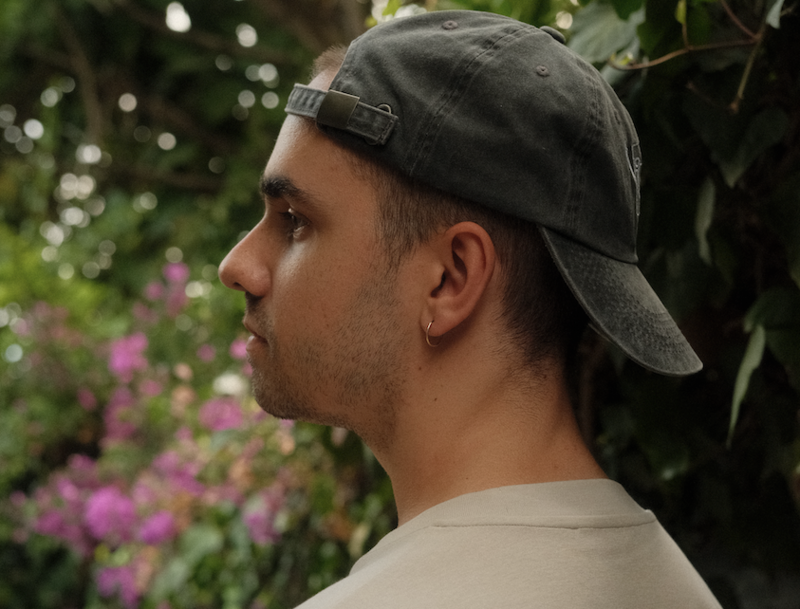
Besides the acoustic guitar and flute played by C4C, the syncopated drums are definitely a key element. I wanted the drums to sound less like a drum machine and more organic, while still keeping the machine-made character. Instead of a loud snare, it’s a woody rimshot. The soft kick repeats a short two-hit pattern, and the rimshot lands on alternate counts. The rhythmic shakers and snare brush loop keep the whole thing together.
With that more traditional foundation set, it was fun to add other playful elements that were less influenced by bossa nova, like the synth melody that starts the track and plays throughout before being covered by the other layers of instruments.
How do you make samples from different sources sound like they belong in the same track?
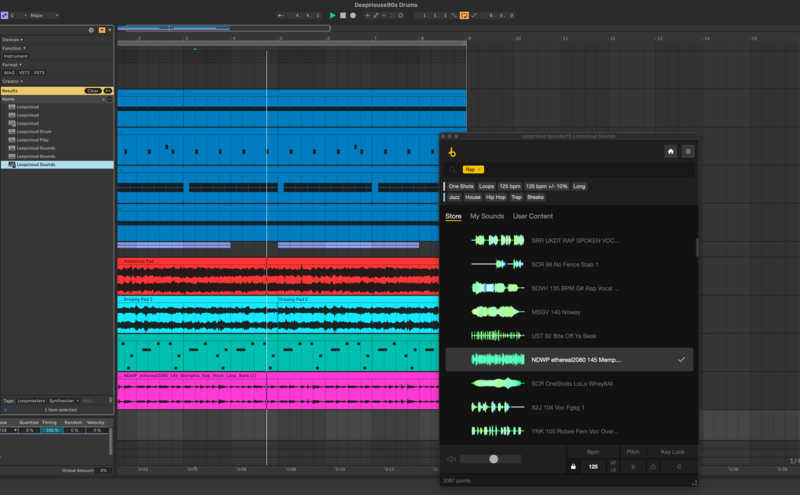
The easiest way for me to make sure they fit is by EQing. It also helps to create a reverb bus that all the different sounds are sent to, which can mimic the feeling of one shared room. If you group multiple tracks together and add filters and effects on that group, it can also help cover up the differences. If you take away the same amount of high-end on all samples, for example, you can fill that gap with tape noise, vinyl crackle, or other Foley recordings. In the end, almost anything can work together if mixed right.
There are no rules, and it can sound just as cool if you keep the differences and contrast between samples intact and treat them as a stylistic choice instead of something that needs fixing.
What advice would you give LoFi producers who keep downloading new samples yet still struggle to choose the right material for a track?
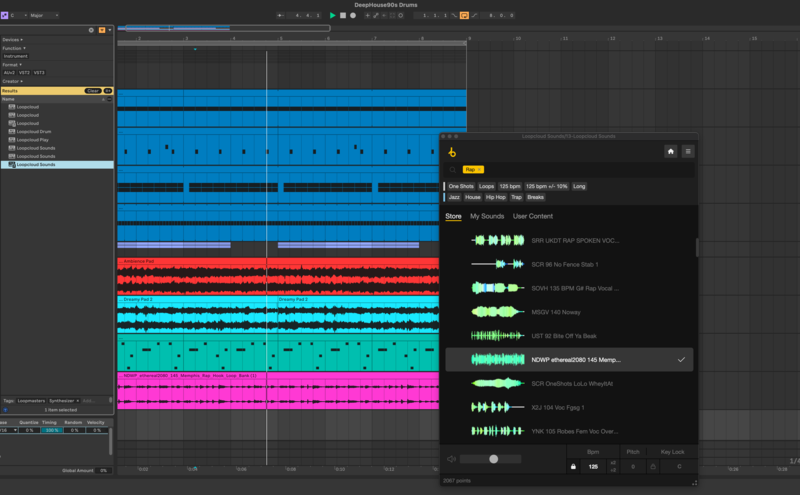
Number one: no rules. If you find something you like, mess around with it.
Chop it, repitch it, reverse it, and experiment with your sounds. If it still doesn’t fit what you have in mind, keep it for later.
At the same time, the amount of available samples can be overwhelming and lead to choice paralysis. In that case, I like to set limits for my available tools. It can be challenging at first, yet it has helped me focus on creating instead of searching endlessly.
Wrapping Up Our Chat With Leavv
The clearest lesson from Leavv’s answers is that sample choice depends on intention, not access.
A sound becomes useful when it gives the producer a clear next move, whether that means reshaping the idea around it or saving it for another session. That is a practical way to think about sample libraries in general, because the real challenge is often deciding when a sound supports the track and when it is just another option.
That is where Loopcloud fits so naturally into the workflow. Search and organization matter because they help producers move from browsing to building, especially when a track has a clear reference point like 1990s hip-hop, neo-soul, or bossa nova. By keeping discovery inside a focused system, Loopcloud can help limit the drag that comes from endless downloading while still giving producers room to find the texture, rhythm, or odd detail that helps a track take shape, and you can try it all too for free for 14 days!
Keep Ideas Moving
Try Loopcloud free for 14 days. Cancel anytime.

Import your existing sounds · Works with your existing DAW · Setup in under 2 minutes