


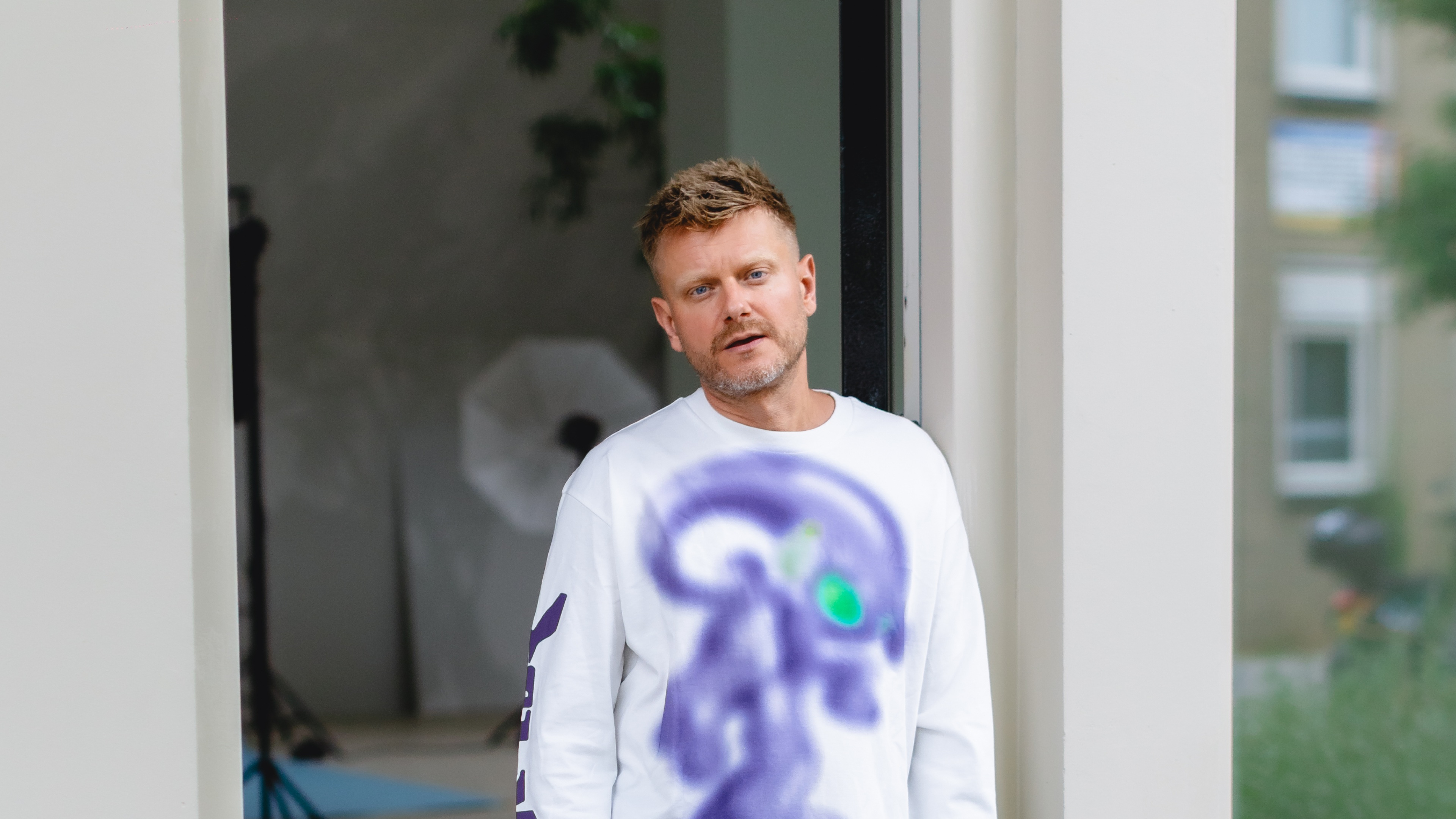
Joey Daniel on Finding Better Samples and Building Better House Grooves
Joey Daniel discusses sample selection, low-end production, creative sampling, and the making of his Need I Say More EP on Cécille Records.
One of the easiest ways to lose an afternoon in the studio is to spend hours auditioning samples when you probably already know what the track needs. Dutch DJ and producer Joey Daniel has spent years developing an ear for the sounds that work in his productions, and his approach comes down to listening closely, trusting his instincts, and knowing when to move on. He's particularly interested in the imperfections found in older recordings, whether that's a little background groove, an unusual bassline, or a vocal fragment that most people might overlook.
And when it comes to producing house music, he's learned that choosing the right sounds from the beginning can save a considerable amount of unnecessary processing later, and you can tap into similar workflows and studio decisions right now with our 14-day trial of Loopcloud right here.
That thinking carries through to his latest release, Need I Say More, which arrived on Cécille Records on November 6. The three-track EP marks a long-awaited debut on a label he's followed for well over a decade, and his relationship with Nick Curly dates back to the days when Joey booked him for his own events. Since then, the two have toured and played together, making this release particularly personal. The EP had already received support from Marco Carola, Nic Fanciulli, and Nick Curly before it arrived, and Joey even recorded the title track live in a single take, which he discusses in greater detail below.
Of course, Joey's experience goes well beyond this particular release.
He's spent over two decades involved in Rotterdam's underground music scene, founded the 300mph event series, became a Music On resident, and released music through labels including Cuttin' Headz, Moon Harbour, Knee Deep In Sound, and his own SiO Records. But what interests us most for this conversation is how that experience influences his studio decisions, particularly when he's searching for samples, working on the low end, or trying to find something that gives a production its own identity. We caught up with Joey to discuss his approach to sampling, why he prefers getting the fundamentals right before reaching for additional plugins, and how producers can develop their taste without spending their entire studio session searching for sounds.
Joey Daniel Interview
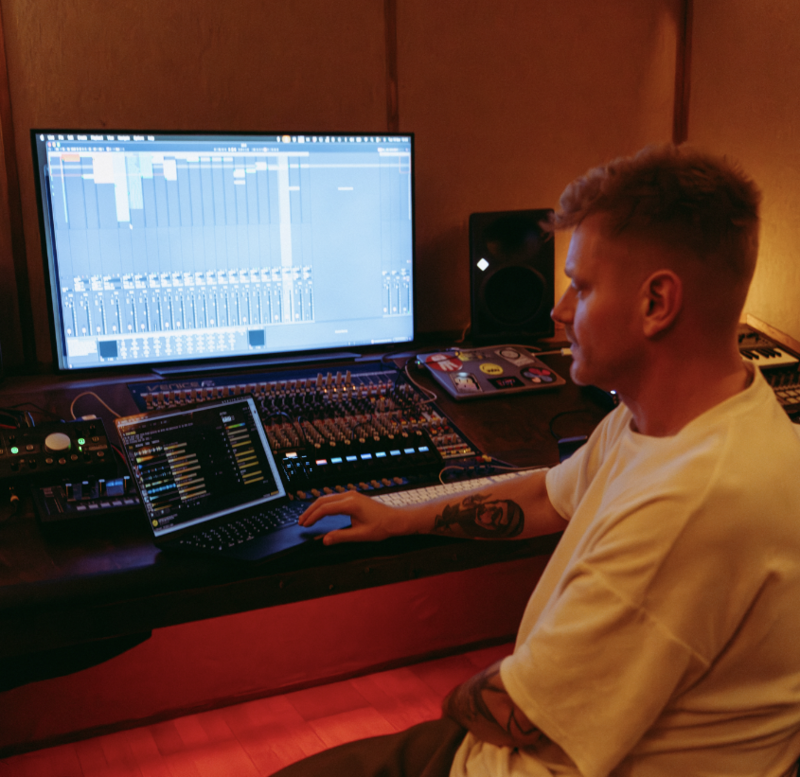
What do you listen for when deciding whether a sample is worth using, and how quickly can you tell whether a sound has potential?
For me, it's all about the feeling. Sometimes I hear just a tiny piece of a record, maybe a vocal, a bassline or a little groove in the background, and immediately something clicks. I don't necessarily look for perfect sounds. Actually, I often find the imperfections much more interesting because they give a sample character. I've been digging through records and samples for years, so I think I've trained my ears to recognize those little moments quite quickly. Sometimes just a few seconds are enough to spark an idea for an entire track.
How much of your sound comes from the samples you initially choose, and how much comes from what you do to them afterward?
I think the original sample gives you the inspiration, but what you do with it afterward is what makes it yours. I love taking something from an old record, chopping it up, pitching it, filtering it and turning it into something completely different. Sometimes the original sound is almost unrecognizable by the time I'm finished. For me, that's where the creativity really happens. It's not necessarily about finding the perfect sample, but about hearing something in it that other people might not hear.
Your Need I Say More EP marks your debut on Cécille Records after a relationship with the label spanning over a decade. What was different about these three tracks that finally made them feel right for the label?
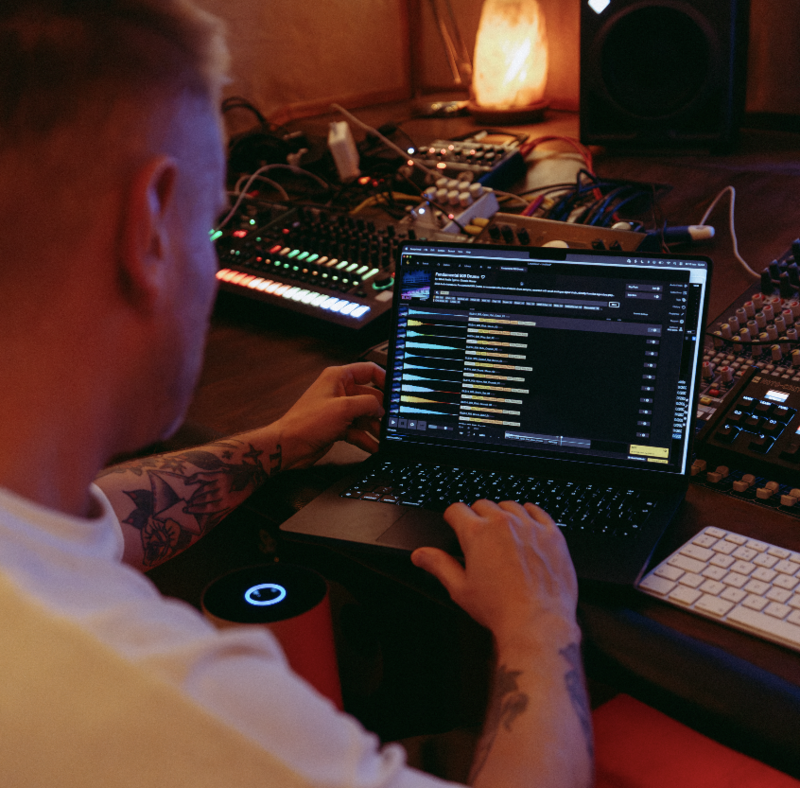
I've had a connection with Cécille for more than ten years, so releasing on the label has always been something special to me. But I never wanted to force it. I wanted to make an EP that really represented both my own sound and the musical identity of Cécille. These three tracks came together very naturally, without overthinking things. I actually recorded Need I Say More live in one take, and I remember getting goosebumps while making it. That's usually a good sign! The whole EP has that raw, rolling, groovy house feeling that I love, and for the first time everything just felt completely right.
What's your approach to getting the kick and bass working together? Do you spend more time finding the right initial sounds or processing them until they sit correctly?
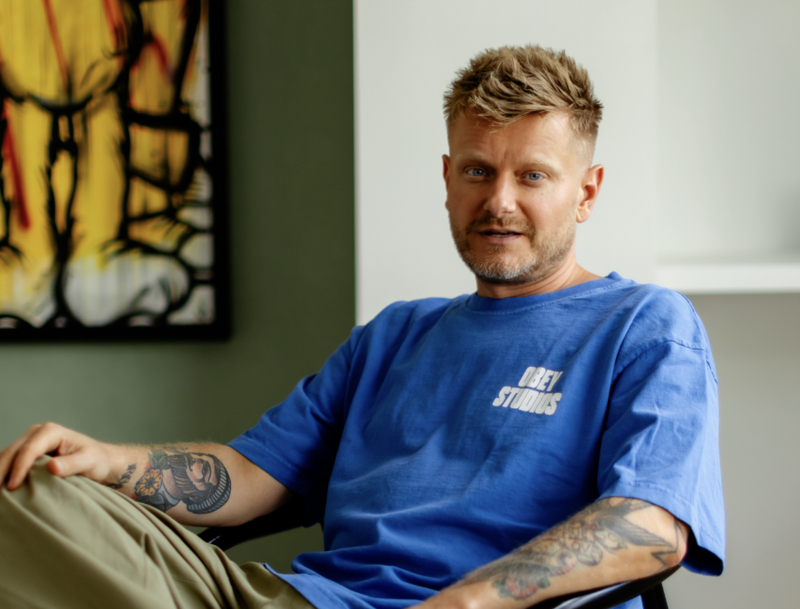
The relationship between the kick and bass is probably one of the most important elements in my music.
I love those rolling, hypnotic grooves where the low end keeps you moving without needing too much else. I always try to find sounds that naturally work well together rather than spending hours trying to fix them with processing. Of course, EQ, compression and sidechaining can help, but if the foundation isn't right, you're already fighting against the track. Sometimes changing just one kick or adjusting the bassline slightly makes a bigger difference than adding ten plugins.
When searching a large sample library like Loopcloud, how do you narrow your options without spending hours auditioning sounds? Do you have any rules for knowing when you've found the right sample?
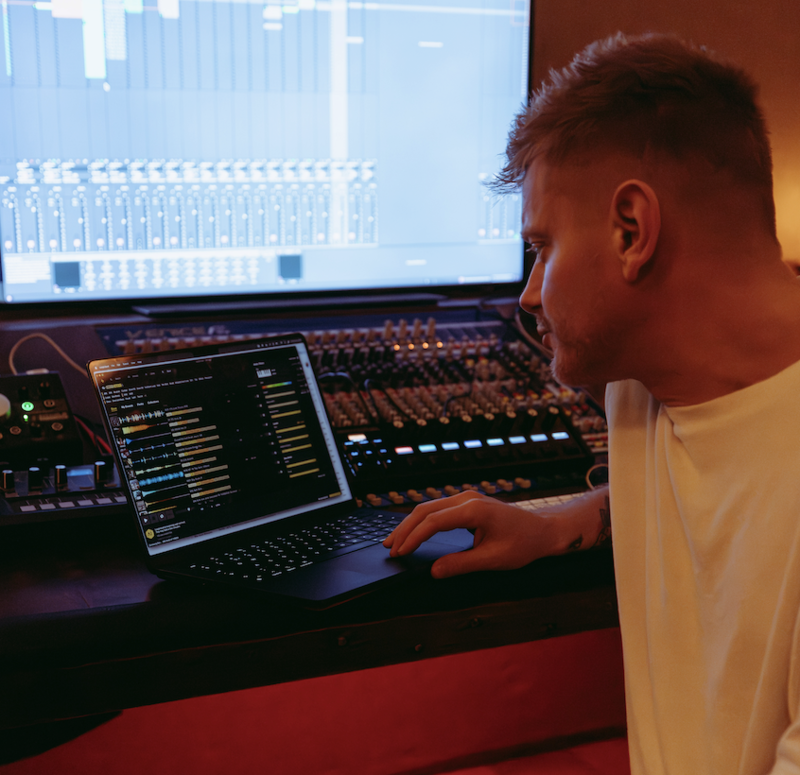
I'm actually quite old-school when it comes to sampling. Most of my inspiration comes from digging through old records and discovering sounds that haven't been used a thousand times already. I've been using Loopcloud, and I definitely see the value of having such a huge collection of sounds available, especially when you're looking for something specific to complete an idea. But I think the most important thing is knowing what you're looking for before you start searching. Otherwise, you can easily spend hours browsing instead of actually making music. When something feels right and fits the groove, I usually trust my ears and move on.
For producers trying to develop their own identity in house and techno, what advice would you give about building a personal sample library, training their ears, and learning to recognize which sounds are worth keeping?
My biggest advice would be to develop your own taste instead of constantly following what everyone else is doing. Go back and listen to music from different generations, especially records from the '70s, '80s and '90s. There's so much incredible music out there that can teach you about rhythm, groove, arrangement and sound.
Build a library of sounds that genuinely inspire you, whether they're from records, recordings you've made yourself or sample platforms like Loopcloud. And don't be afraid to experiment. Sometimes the strangest little sound can become the most interesting part of a track. Your identity comes from the choices you make, not from the tools you use.
So What's The Takeaway? Better Samples Start With Better Listening
One of the things I particularly like about Joey's approach is how much importance he places on finding sounds that work together before he starts processing them.
It's easy to spend an hour adjusting EQ, compression, and sidechain settings when the real problem is that the kick and bass you chose aren't particularly compatible in the first place. His advice reminds us that good production decisions often happen before any effects are applied, and that's especially relevant when working with large sample libraries. Loopcloud's Audio Filters can help narrow searches according to frequency content, rhythmic density, stereo width, and other characteristics, making it easier to find material that fits the music you're already working on. The Advanced Search features in Loopcloud 8 also allow producers to describe the sounds they're looking for, which can help reduce time spent searching through material that doesn't suit the project.
His comments about sampling older records are worth considering as well, particularly the distinction he makes between finding a recording that inspires an idea and actually transforming that recording into something personal. Chopping, pitching, filtering, and rearranging audio gives producers considerable control over how those original influences appear in the finished track, and the same approach applies whether you're sampling vinyl, recording your own instruments, or working with material from a sample library.
I also think his explanation of recording "Need I Say More" live in one take says something about trusting your musical instincts, especially after years of developing them through DJing and listening. There will always be another sound to audition or another processing technique to try, but recognizing when something already works is an important production skill in its own right. Joey's advice offers a good reminder that developing your ear, spending time discovering music, and learning to make confident decisions are central to producing records that sound like your own.
Keep Ideas Moving
Try Loopcloud free for 14 days. Cancel anytime.

Import your existing sounds · Works with your existing DAW · Setup in under 2 minutes