


Why do People Love the Analogue Sound? And how to Get it in your DAW
Warmth, wobble and the wonderful imperfection: here’s why producers are still chasing the sound of tape, tubes, vintage synthesizers and classic circuitry in the modern age
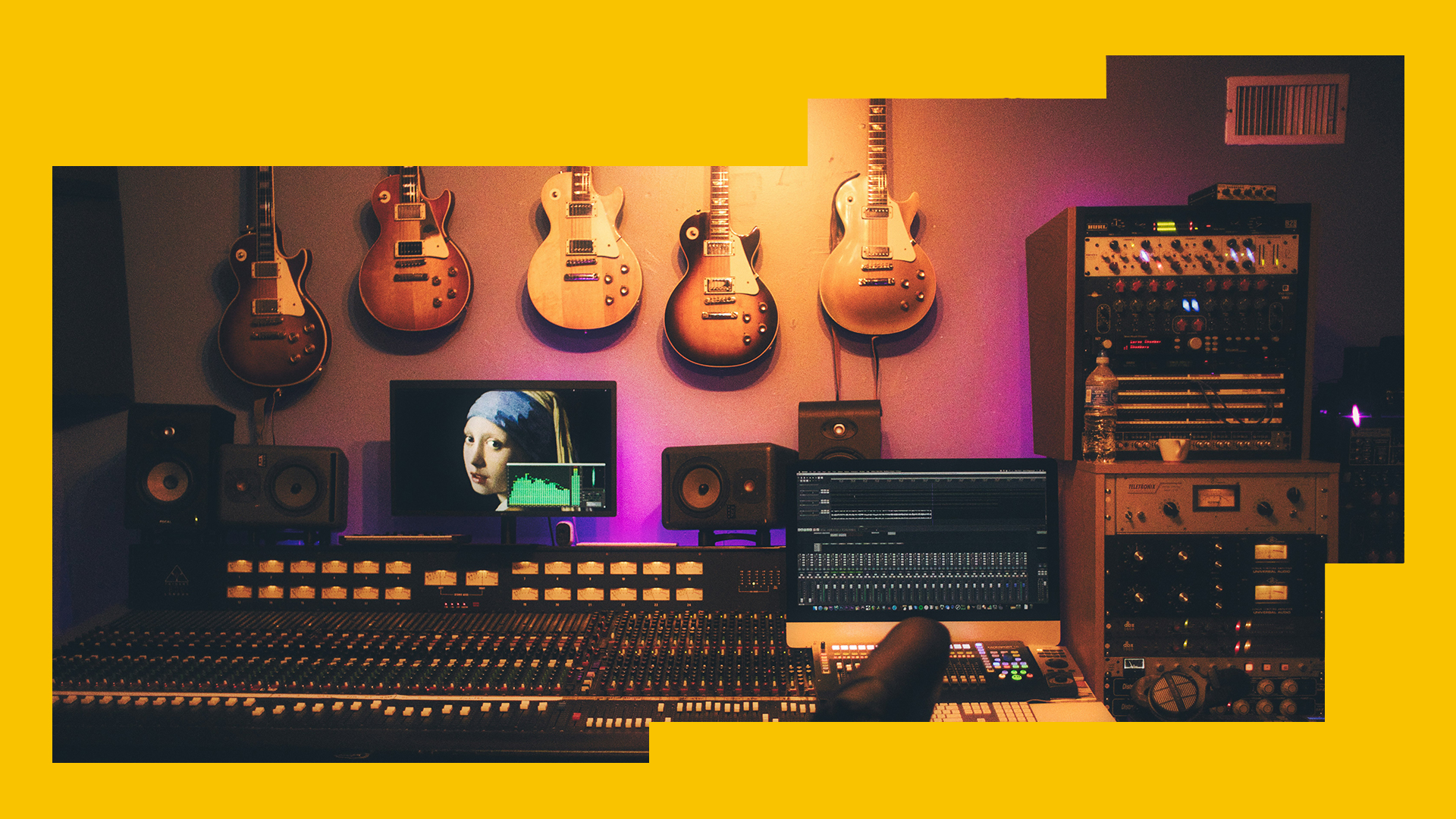
Header Photo by Caught In Joy on Unsplash
Well over a decade into the digital age of music production, modern producers and studio veterans alike are still chasing the raw, unadulterated sound of analogue hardware. Whether its gear obsessed studio owners or bedroom producers taking advantage of the wealth of emulated tools, people are still going for the analogue sound. The “sound” of analogue carries memory, a feeling of nostalgia and a reminder of the records, radio, tape machines, dusty synthesizers and records that shaped modern music as we know it.
Today’s producers aren't looking to abandon their digital toolkit for analogue gear, they just want to bring some of the unpredictability, movement and emotional association to their productions that only analogue gear can provide. That’s why we assembled this one-stop guide on understanding the motivations behind the modern use of analogue technology and how to get that classic analogue warmth on your records too.
What Do We Actually Mean by “Analogue Sound”?
There are a few fundamental qualities that make up the analogue sound, but the most important thing to remember is that it is the actual electronic circuitry that gives each analogue unit its own unique quality in sound. Historically, many analogue units would have been made by hand on a production line, creating room for subtle differences from one unit to the next.
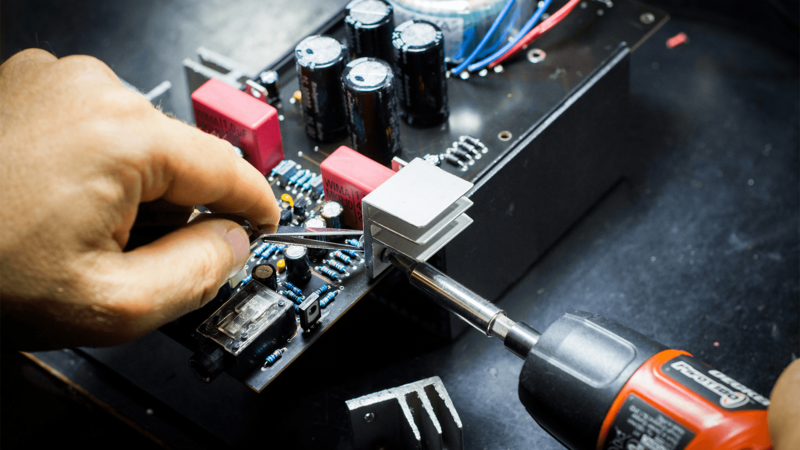
Image by Blaz Erzetic
In analogue synthesizers, compressors, mixing desks, tape machines or preamps, the signal is shaped by components such as transistors, valves, transformers, capacitors and magnetic tape. These elements are volatile and reactive, and their non-linear response means that changing the input can dramatically alter the output. When people talk about the “Analogue Sound”, they don’t mean the original signal, but the character that is added by the gear itself.
The way these circuits work to produce an analogue sound usually results in some combination of warmth, colour, movement and imperfection that has become desirable among modern producers. It could come in the form of harmonic richness from a driven pre-amp, the gentle compression of tape or the drift of an old oscillator on a synthesizer. On first listen, you may actually find these qualities undesirable in the wrong context, but when they’re used well those imperfections can make productions feel alive and emotional.
So Why Do We Love the Sound of Analogue?
Let's delve deeper into our reaction to the analogue sound, and why we react this way to it.
We Associate the Sound of Analogue with Whole Genres
Some gear ends up defining whole genres, units like the Rhodes, Juno 6, Minimoog, SP-1200 or the legendary Roland 303, 808 and 909. These units don’t just produce a certain tone, they carry the history of whole genres such as Disco, Hip-Hop, Techno and Jungle. Producers like Pete Cannon have taken this concept into the modern age, using vintage tools like the AKAI S1100, Atari 520 ST and Yamaha DX100) to achieve a hyper-authentic 90s Jungle sound.
Classic Tracks Created the Blueprint
Another angle is that a lot of beloved records were made with the limitations of their time, limited amount of tracks, hands-on mixing techniques, real instruments and hardware synths, samplers and effects. Those restrictions helped define the sound of those records and ultimately paved the way for a feeling of nostalgia when listening to tracks created with similar limitations, tools and techniques.
Take Pink Floyd’s “The Dark Side of the Moon” for example, its recording and mixing at Abbey Road studios meant relying on vintage valve microphones, tape loops and natural, room-based reverb - the Alan Parsons quadraphonic mix is considered a gold standard for analogue engineering.
Imperfection Feels Human
Finally, all this talk of imperfection and limitation begs the question: why chase an imperfect sound? Modern production can be endlessly edited, tweaked and quantised which can lead to a rigid, digital sound that lacks “human feel”. Sometimes human mistakes, happy accidents and imperfection can add real charm and character to a record, with analogue artifacts reminding listeners that the music was performed, recorded, pushed and sampled in ways that can make it feel slightly broken. With a clearly popular appeal, analogue gear can personify the idea of being “only human” into sound.
How to Get the Analogue Sound in Your DAW
With AI music digital culture making analogue imperfection more valuable than ever, modern pop staying well connected to the sound of vintage synthesizers and lo-fi aesthetics defining whole sub-genres, producers are seeing analogue hardware as a creative limitation that forces decisions, enables aesthetics and keeps sounds alive.
With that said, owning the actual gear isn’t the only way to go here. There’s a huge wealth of emulated analogue units available in VST format, where software engineers copy and replicate the structure of analogue circuitry in immense detail, often providing faithful emulations of the production world's favourite tools.
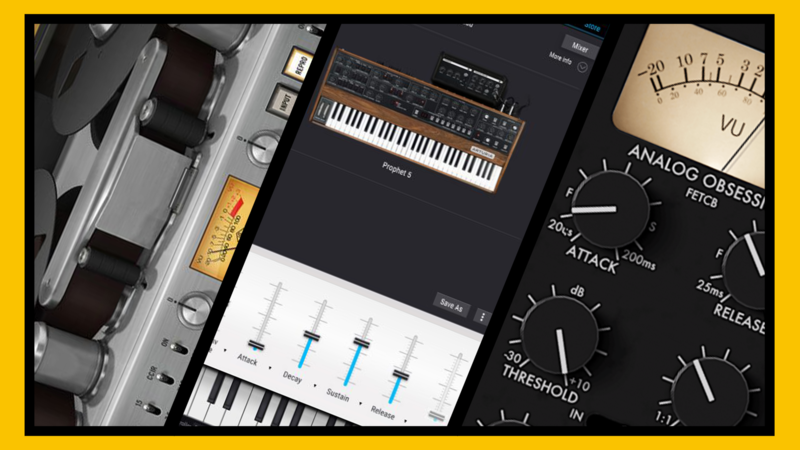
Analogue Emulations
Starting with the most affordable options, developers like Analogue Obsession have dedicated themselves to creating faithful replications of analogue units, offered at a “pay-what-you-can” price.
Next you have premium developers like Universal Audio, Arturia, Softube and Slate Digital offer similar products with fleshed out UIs and massive preset libraries, getting you up and running with an analogue sound quicker than ever.
Finally, there’s a growing market for digital tools that offer analogue personality, units like u-he Diva or XLN Audio RC-20 give an authentic sound without specifically modelling analogue circuitry.
Because analogue emulations replicate the circuitry of real world units, they often respond to levels in the same way real hardware does, meaning careful use of gain staging and signal flow is essential for getting the right sound from these plugins.
Cloud-based Outboard Gear
A new format for achieving the analogue sound is the use of services like Access Analog who provide access to analogue gear using a complex cloud-based system where you can upload audio, tweak settings on real analogue units and receive processed audio back, allowing you to access real analogue signal chains without investing thousands into individual units.
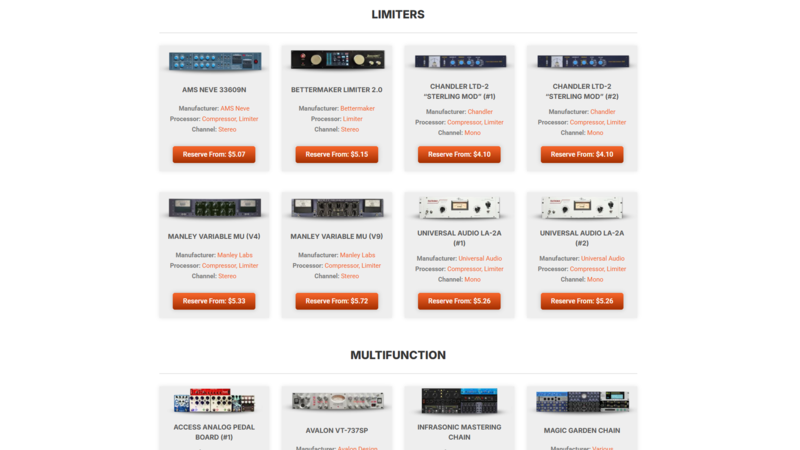
These services are available to people anywhere in the world, offering a real alternative to emulations for people who cannot access analogue gear in a studio near them or cannot afford the high costs that many professional grade units are priced at.
Top Tips for an Analogue Sound and Workflow
You don’t always need to have analogue equipment or emulations to get the same character and feeling that comes built into analogue units. Sometimes, careful use of production techniques can achieve similar results that would otherwise pass for an analogue sound to the untrained ear. Here’s our top tips:
Commitment
Committing to audio early on is one of the best ways to achieve the characteristics of analogue gear; printing MIDI to audio, resampling loops, bouncing effects and committing to decision making is a huge part of the analogue mindset.
Gain Staging
Whether using real units, emulations or cloud-based services, gain staging is one of the most important factors for getting the right sound from these units. Proper understanding of vU levels and signal chain processing is essential for getting the most out of your tools.
Using Sends Like a Studio
Set up send effects like reverbs, delays and saturation buses. Sending multiple sounds to the same spaces can really help to create the impression of a studio mixing environment, giving yourself the limitation of only a number of effects units will only improve your sound when chasing the analogue feel.
Movement is Key
Adding something to remove that digital sound of a static loop can completely change the quality and evolution of sounds in your tracks. Use tiny amounts of pitch drift, chorus or filter movement modulation to make loops and synths feel alive and characterful, just like the imperfections of analogue units.
Soften the Edges
Digital sounds can be very full, clean and sharp. Using effects like tape emulation, transient shaping or low-pass filtering to smooth harsh highs and round off clicky transients can be a huge difference maker for getting a sound to achieve a vintage feeling.
Keep Ideas Moving
Try Loopcloud free for 14 days. Cancel anytime.

Import your existing sounds · Works with your existing DAW · Setup in under 2 minutes